


Artificial intelligence is changing many areas of healthcare, and dentistry is increasingly exploring how the technology could support earlier diagnosis.
One particularly interesting area is dental imaging. AI systems can be trained to analyse dental X-rays and highlight areas that may require a dentist’s attention, including possible signs of tooth decay.
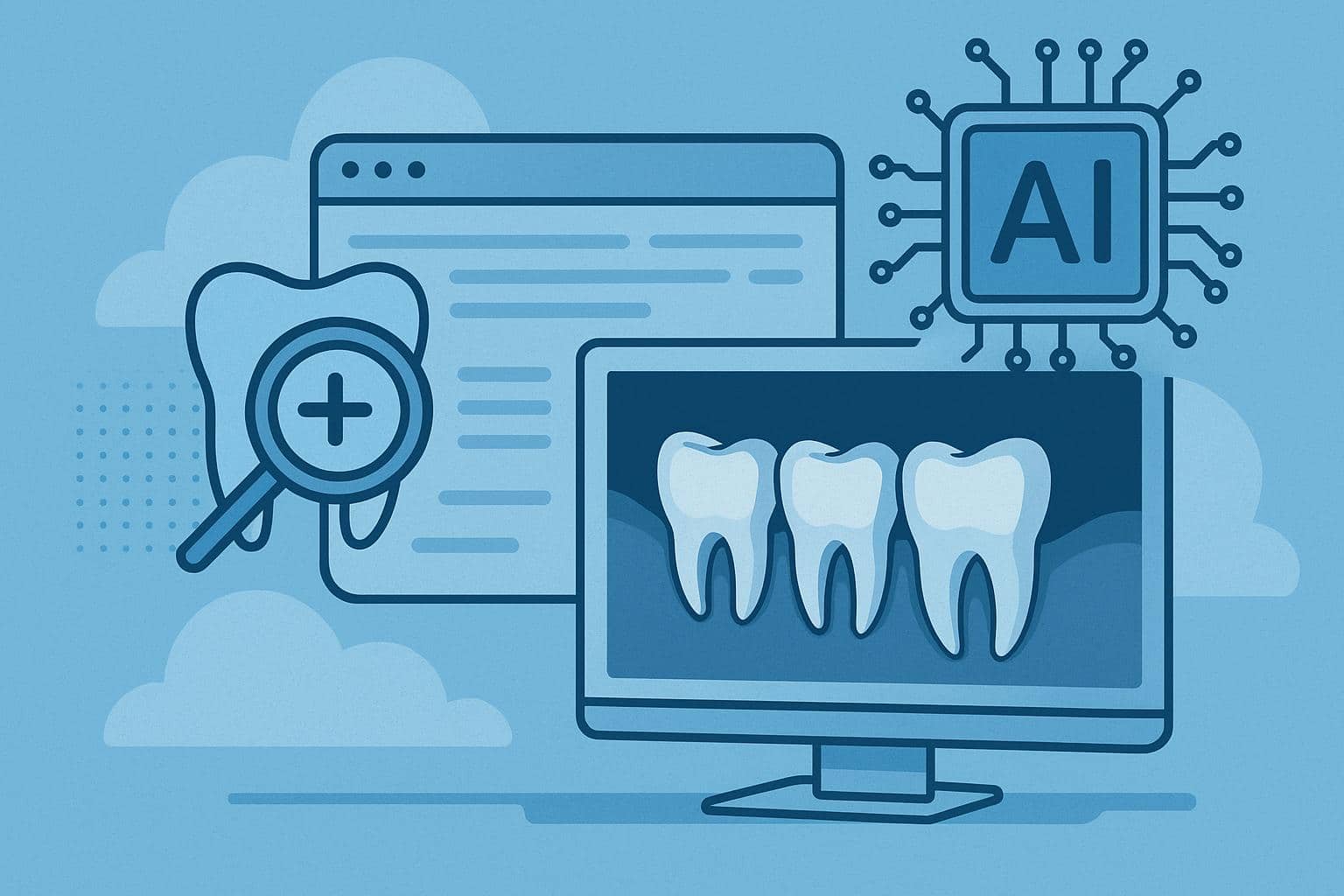
So, could AI ultimately help dental problems be identified sooner?
An Extra Set of Eyes on Dental X-Rays
Dental X-rays already allow dentists to see areas that aren’t always visible during a routine examination, such as between teeth or beneath existing restorations.
AI-assisted imaging adds another layer to this process.
Rather than replacing the dentist, the technology can analyse an image and draw attention to patterns or changes that might warrant closer examination.
Recent research into AI-assisted detection of dental decay has produced promising results, including its ability to identify early carious lesions. However, the dentist remains responsible for interpreting the findings alongside the patient’s symptoms, clinical examination and dental history.
Why Earlier Detection Matters
Catching a dental problem early can make a significant difference.
A small area of decay may initially require relatively straightforward management. If the problem is allowed to progress deeper into the tooth, treatment can become more complex.
Advanced decay can eventually cause:
- tooth sensitivity
- persistent toothache
- damage to the tooth
- infection
- dental abscesses
This is why routine dental examinations remain so important, even when your teeth feel perfectly healthy.
Patients searching for a dentist in Sheldon should consider regular examinations as part of preventing smaller dental issues from developing into more serious problems.
Will AI Replace Dentists?
Despite rapid improvements in artificial intelligence, AI isn’t a substitute for clinical judgement.
Dentists don’t diagnose problems from X-rays alone. They examine the mouth, discuss symptoms, consider previous dental history and, where necessary, carry out further tests.
AI is better viewed as another tool available to support that process.
The Future of Earlier Dental Diagnosis
From digital X-rays and intraoral scanners to increasingly sophisticated AI software, dental technology continues to develop.
For patients, the real value of these advances isn’t simply having more technology in the dental practice. It’s the possibility of finding problems sooner, understanding them more clearly and receiving appropriate treatment before they become more difficult to manage.
AI may provide dentists with another way of spotting potential problems, but regular examinations and good preventative dental care remain the foundations of a healthy smile.