


Knee pain is something many athletes know all too well. Whether it happens during a sprint, a sharp pivot, or a sudden landing, a small misstep can cause unexpected strain. The knee handles so much of the body’s movement that even a slight twist can bring things to a halt.
For active individuals, this can be frustrating. The feeling of being sidelined, missing out on routines or sports you love, often brings both physical and emotional challenges. Many athletes describe it as losing more than just physical ability, it’s losing rhythm and confidence.
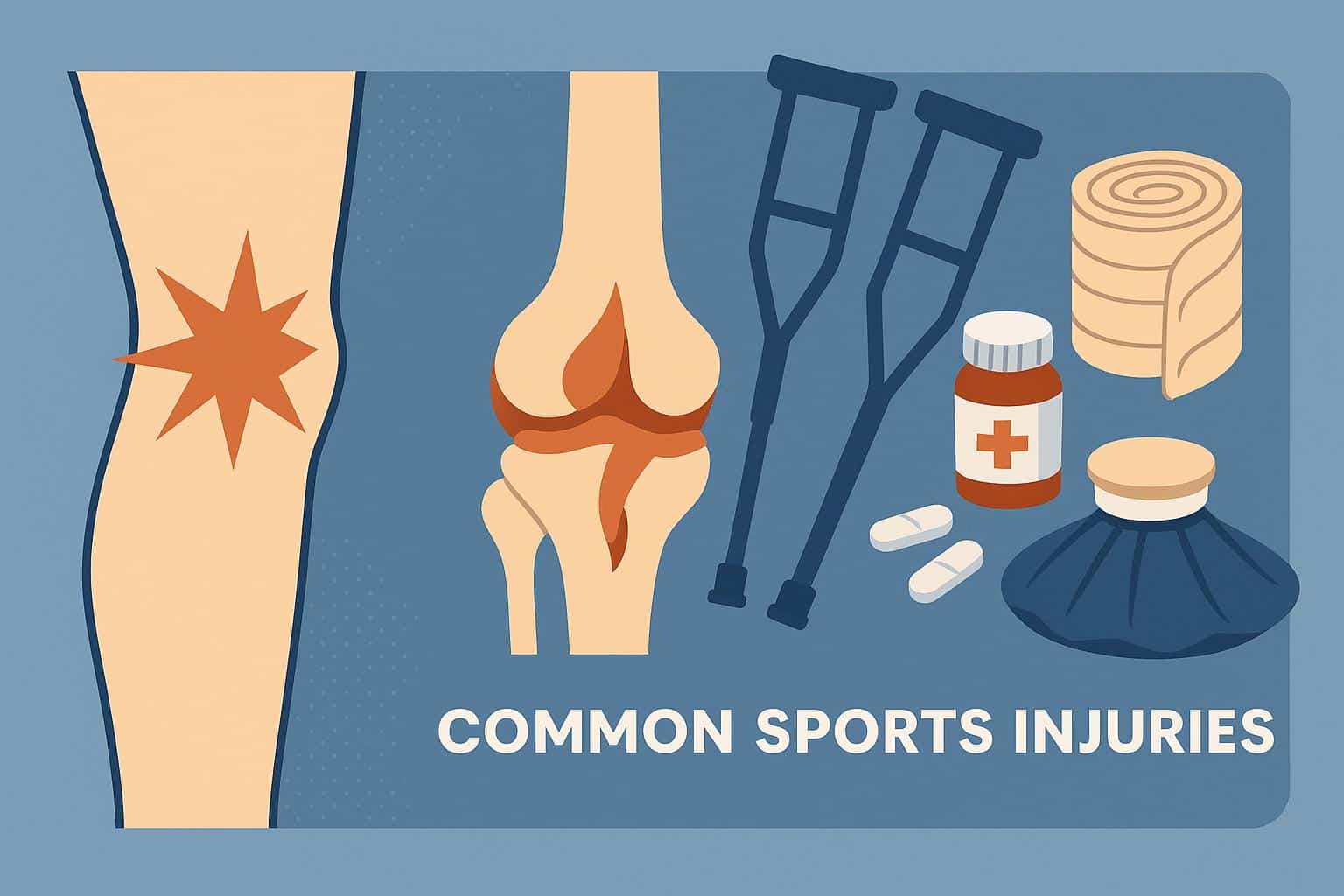
Thankfully, modern treatment and rehabilitation have advanced significantly. With the right approach and professional guidance from a trusted orthopedic knee specialist clinic, recovery can restore not only strength but also peace of mind. Understanding how these injuries occur and how they are treated is the first step toward getting back on track.
Ligament Injuries: The Most Common Culprit
Ligament injuries are among the most frequent causes of knee pain in athletes. These injuries often occur during rapid changes in direction, sudden stops, or collisions, which is why they are common in football basketball, and soccer.
Understanding the ACL and Its Role
The anterior cruciate ligament, commonly known as the ACL, helps keep the knee stable during twists or pivots. When it tears, standing or walking is suddenly difficult. There’s often a popping sound followed by swelling within hours. This type of injury usually requires a medical assessment to determine the extent of the tear and the right treatment plan.
The Path to Recovery
Treatment depends on how severe the injury is and the patient’s activity level. Some mild ligament injuries respond well to rest, physiotherapy, and targeted strengthening exercises. In more serious cases, surgery may be needed to reconstruct the torn ligament. Physical therapy helps restore movement, strength, and confidence in the joint, playing a big role in helping athletes return to their routines safely.
Prevention and Conditioning
Preventing ligament injuries is a mix of preparation and awareness. Regular strength training, balance exercises, and proper warm ups can make a huge difference. Coaches often emphasize good technique during play, as even minor posture mistakes or landing errors can cause unexpected pressure on the ligaments. Building muscle around the knee also helps create stability, making the joint more resilient under stress.
Meniscus Injuries: The Silent Strain
The meniscus is a small but essential cushion in the knee. It absorbs shock, supports smooth movement, and keeps the joint aligned. It’s easy to take for granted until a sudden twist or awkward movement causes sharp pain in the knee.
How Meniscus Tears Happen
Meniscus injuries can happen in any sport that involves quick turns or heavy landings, like tennis, volleyball, or skiing. They often produce a snapping or catching feeling in the knee, and swelling usually follows. Some people notice they can’t fully bend or straighten their legs without discomfort. These signs often point to a tear that needs prompt medical attention.
Treatment for Meniscus Injuries
When it comes to treatment, timing and assessment matter. Small tears can heal with rest, ice therapy, and guided exercises. Larger or complex tears might need surgical repair to restore full function. The recovery process typically includes physiotherapy that focuses on gradually restoring movement, building strength, and reducing pain. Consistency and patience make a big difference during this stage.
Return to Activity
Returning to sports after a meniscus injury is about rebuilding confidence as much as strength. The body needs time to adapt, and listening to it carefully is crucial. Pushing too early can cause setbacks, while steady progress ensures lasting recovery. With proper care, many athletes regain their performance level and continue doing what they love without lingering pain.
Overuse Injuries: When the Knee Says Slow Down
Not all knee problems happen suddenly. Sometimes they build up quietly through repeated stress, poor recovery, or insufficient rest. Overuse injuries are common in runners, cyclists, and dancers who constantly place pressure on the knee without enough downtime.
Patellar Tendinitis and “Runner’s Knee”
Patellar tendinitis is one of the most common overuse injuries, often called jumper’s knee or runner’s knee. It causes pain just below the kneecap and can worsen with repetitive jumping or running. The pain might start as mild discomfort and eventually interfere with training or daily activity if not addressed early. That’s why rest and early care are so important.
Treatment typically involves modifying activity, physiotherapy, and exercises focusing on flexibility and strength. Some athletes benefit from supportive tape or braces during rehabilitation to relieve pressure from the affected area.
Managing and Preventing Overuse
Listening to the body is the best prevention. Adequate recovery, proper footwear, and balanced training schedules reduce stress on the knees. Sports professionals often recommend cross training to strengthen different muscle groups and give the knees a break from repetitive activity. With regular conditioning and recovery practices, athletes can avoid the gradual wear and tear that leads to chronic pain.
The Road to Recovery and Beyond
Recovering from a knee injury can be a humbling experience. It teaches patience, discipline, and a deeper respect for the body’s limits. Each step in recovery, from rest to rehabilitation, plays a role in long term health and athletic performance.
The journey back to movement begins with the right evaluation and a treatment plan tailored to each person’s needs. Working with experienced doctors and physiotherapists ensures that recovery is safe, effective, and sustainable. Many find that with consistent care, they come back stronger and better aware of how to protect their knees in the future.
Knee injuries might be daunting, but they don’t have to define an athlete’s story. With proper care, rehabilitation, and preventive habits, it’s possible to return to the field or court with renewed confidence, and perhaps even a greater appreciation for the simple joy of movement.