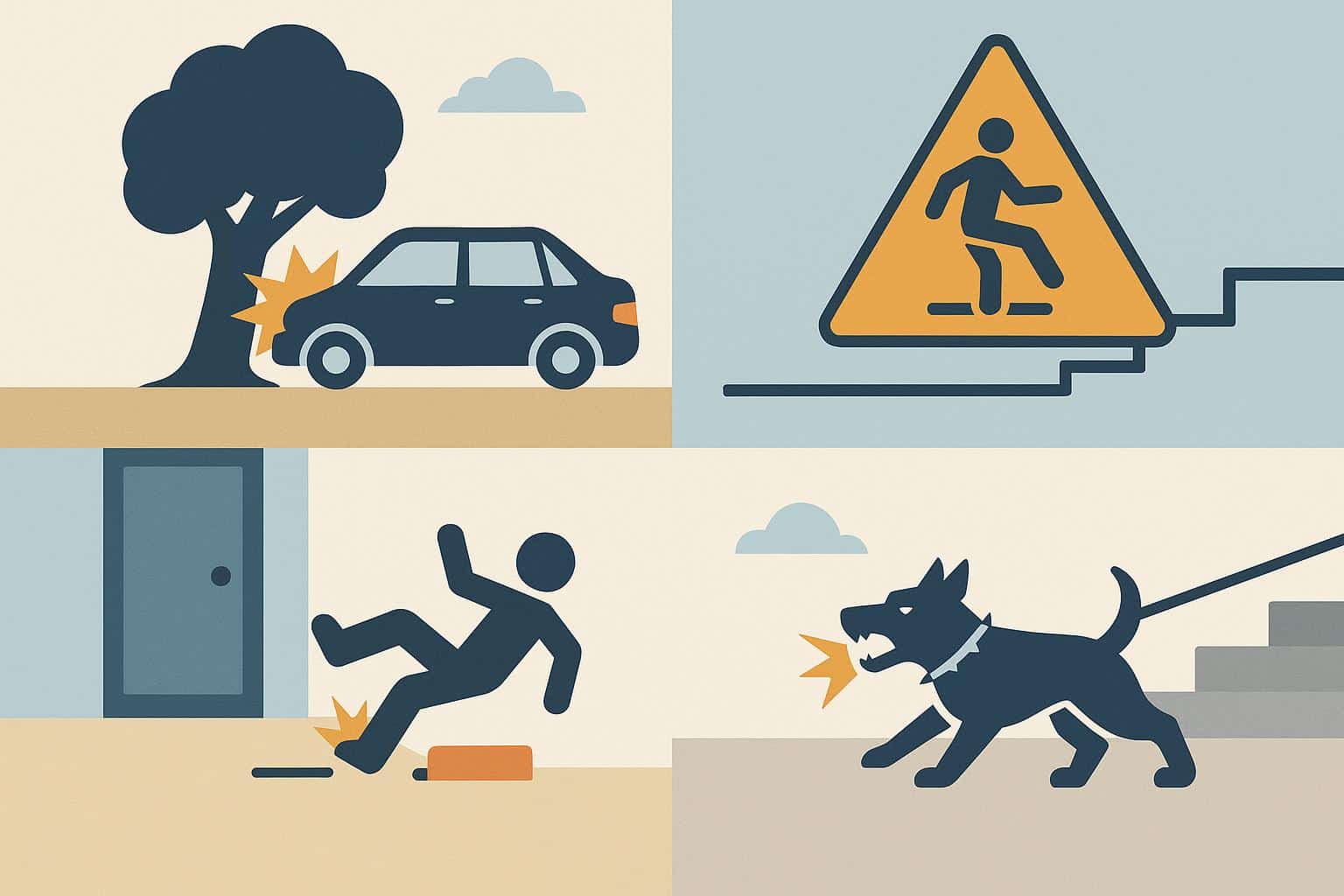
Personal injuries can occur in many different situations. The common denominator is the negligence of a person. Some other times, an unsafe environment can lead to harm.
“If you have suffered an injury due to someone else’s actions or inaction, you may be eligible to seek compensation. Legal support plays an essential role in these situations”
John H. Fisher of The New York Injury & Malpractice Law Firm
Personal injury lawyers often focus on assisting individuals through the aftermath of an accident, offering representation and guidance during what can be a challenging process.
Recognizing the most common types of personal injury claims can help you determine where your case falls and how to proceed effectively. This piece outlines five of the most frequent types of personal injury claims:
Product liability is the claim you make after a defective or dangerous product injures you. These products may have design flaws, manufacturing errors, or insufficient warnings about potential risks.
Types
Common examples include faulty vehicles, unsafe appliances, hazardous toys, tainted food, or harmful medications. The resulting injuries can include burns, fractures, and poisoning. In severe cases, it can lead to death.
Establishing Fault
Product liability claims fall under three crucial categories. They include those related to design defects, manufacturing defects, and a failure to provide proper warnings. Each type points to a different stage in the product’s development or distribution process.
Filing claims
Manufacturers, distributors, and retailers may all be held responsible for placing unsafe products in the hands of consumers. These claims serve not only to compensate victims but also to deter manufacturers from similar actions in the future. Ultimately, they promote accountability and product safety.
Public Accidents
What It Connotes
Accidents that occur in public areas are also common. The law recognizes this type of accident as a public liability claim. These incidents typically stem from hazardous conditions in public or privately owned spaces.
Types
Accidents can occur in shopping centers, parks, parking areas, sidewalks, or other public spaces. Slippery surfaces, uneven walkways, or falling objects often contribute to injuries.
Injuries
Injuries in these settings commonly include fractures, concussions, or back problems. Even minor falls can have serious consequences, particularly for older individuals or those with pre-existing conditions.
Showcasing Fault
The law mandates that all property owners or occupiers are responsible for maintaining safe premises. If a visitor gets injured due to negligence, they may pursue a claim. Acts of negligence typically include failure to clean a spill or repair a hazard.
Whether or not the owner was aware of the danger plays a role in determining liability.
Filing claims
These claims fall under premises liability law. Under this law, property owners are accountable for dangerous conditions. When successful, they can result in compensation for medical costs, lost income, and other damages.
Road Traffic Mishaps
Dissecting the Concept
Road traffic mishaps constitute one of the leading sources of personal injury claims. These incidents can range from minor collisions to severe crashes and often result in significant injuries.
Types
Types of road-related cases include car crashes, motorcycle accidents, bicycle accidents, and pedestrian injuries. Even vehicle passengers may pursue claims if they suffer harm.
Injuries
The injuries in such cases vary. Victims may suffer minor cuts and bruises, and others suffer from severe conditions like spinal cord injuries, traumatic brain damage, or broken bones. The typical injuries in vehicle mishaps are whiplash and back injuries.
Establishing liability
Liability typically involves proving that another party was negligent. This could be due to speeding, driving while impaired, ignoring traffic signals, or other reckless behaviors. In some cases, more than one person may share fault, such as in multi-vehicle accidents.
Filing claims
Injured parties often file claims with the responsible driver’s insurance provider. If the driver is uninsured, alternative routes, like uninsured motorist coverage, may be necessary. Given how often these accidents occur and the serious injuries they can cause, road traffic accidents represent a significant share of personal injury claims.
Medical Negligence
Defining the Concept
Medical negligence occurs when a healthcare provider fails to meet the accepted standard of care, leading to injury or harm to the patient. These claims are often referred to as medical malpractice cases. They are a significant category of personal injury claims.
Types
Typical examples include surgical mistakes, errors in diagnosis, delayed treatment, prescription issues, and birth-related injuries. Neglect or improper care may also worsen a patient’s existing condition.
Injuries
Injuries from medical negligence can be severe. Patients may suffer permanent disabilities, complications from infections, or other significant harm. Emotional distress is also common in these cases.
Proving liability
To establish liability, the injured party must demonstrate that the healthcare provider’s actions fell short of the standard of care and directly caused the injury. Medical malpractice cases often require professional testimony to support these claims.
Filing claims
If successful, the injured individual may receive compensation for medical bills, ongoing care, lost wages, and pain and suffering. Although complex, medical negligence cases serve as a critical path for those harmed by substandard medical care.
Workplace Accidents
What It Entails
Another leading category of personal injury claims involves injuries sustained in the workplace. Regardless of the industry, employees can sustain job-related injuries. These injuries can sometimes have lasting effects.
Types
Frequent causes include slips, trips, falls, and accidents involving machinery. Workers may also be exposed to electrical hazards, falling objects, or toxic substances. Repetitive tasks can result in long-term issues such as chronic pain or respiratory problems.
Injuries
Common injuries include sprains, fractures, burns, and head injuries. Some workers suffer long-term impairments that prevent them from returning to their previous roles.
Proving liability
Employers have a legal responsibility to maintain a safe work environment. It includes complying with safety regulations, offering proper training, and providing adequate protective gear. When employers fail to meet these obligations, injured workers may have grounds for legal action.
Filing claims
While many job-related injuries fall under workers’ compensation insurance, there are situations where an employee may file a personal injury claim directly. In such cases, the accident may be due to the company’s negligence or a lack of insurance coverage.
These claims address not only physical injuries but also the emotional and financial hardships caused by workplace incidents.
Conclusion
Personal injury claims often arise from road traffic incidents, workplace accidents, public hazards, medical negligence, and the use of dangerous products. Each of these situations involves distinct legal challenges but shares the common goal of holding the negligent party accountable.
If you have been injured due to someone else’s carelessness or failure to act, engaging a personal injury lawyer can help you understand your rights and take appropriate legal action.