


The institution of marriage has been one of the most vital components of human society, as it provides the platform upon which a family is built. While there are marriages where couples have to walk down the aisle to say their vows and get a marriage license, there are some where the couples do not. In the latter case, there is always a question around the validity of such marriages, and that is why an understanding of common law marriages is necessary.
This article dives into what common law marriage entails and how it works for couples in Virginia.
What is Common Law Marriage?
Common law marriage is a type of marital relationship that does not require a formal ceremony, a marriage license, or legal registration. Instead, it arises when a couple lives together for a significant period, presents themselves to society as husband and wife, and intends to be married. Historically, common law marriage was recognized in many parts of the United States as a practical solution in areas where access to ministers, courts, or official records was limited.
“The idea behind common law marriage is straightforward: if two people act like a married couple and consider themselves married, then the law should treat them as such,” says family law attorney William D. Ashwell, J. Greg Ashwell of Ashwell & Ashwell, PLLC. This includes rights to inheritance, spousal support, and other marital benefits. However, not every state recognizes common law marriage, and that is where Virginia takes a particular stance.
Does Virginia Recognize Common Law Marriage?
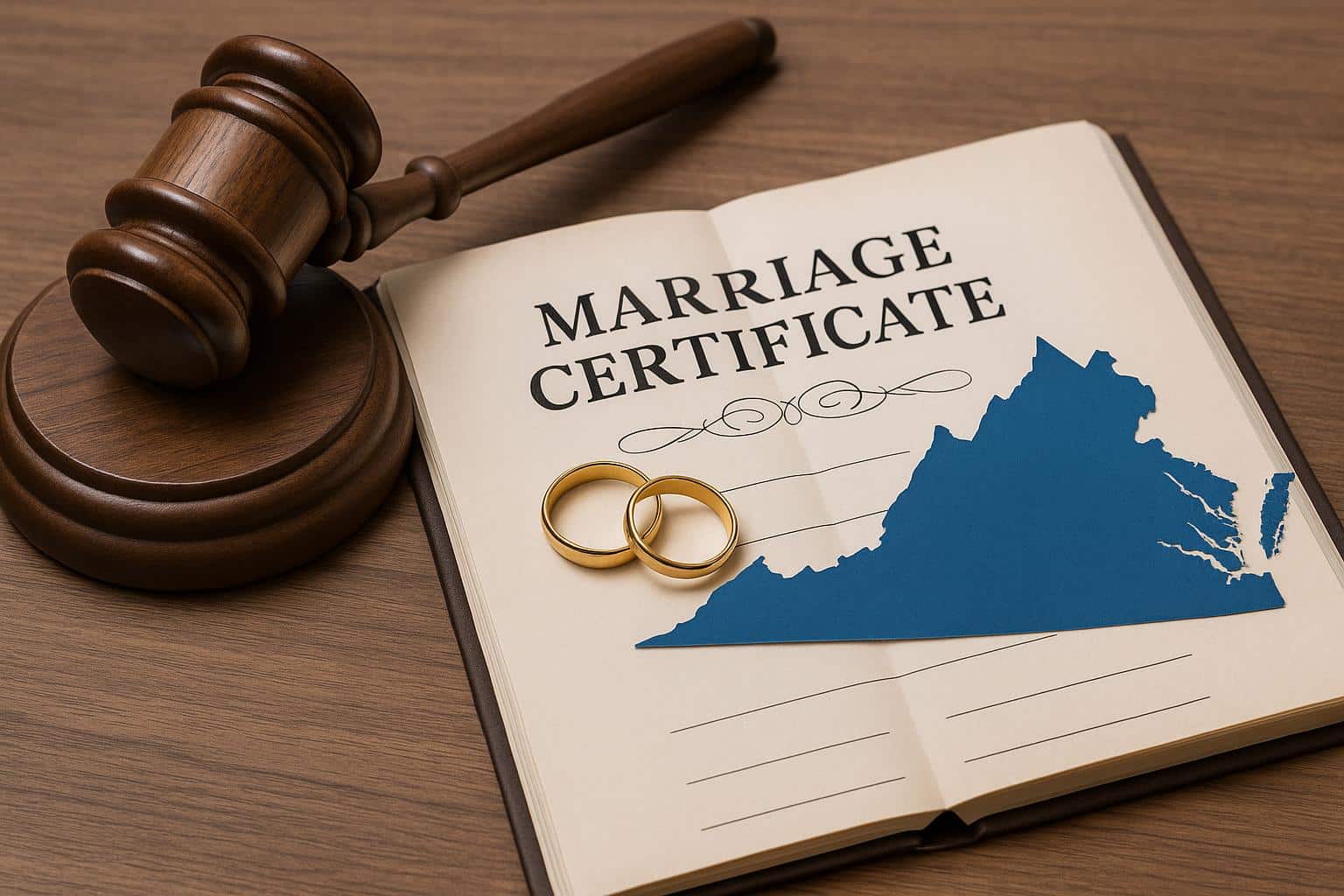
Common law marriages are not recognized under Virginia laws, meaning that regardless of how long a couple has lived together, the law does not recognize them as married. The only way around this is for them to go through the established legal process recognized by law to become legally married.
For couples, this has several implications for their relationship and certain legal rights, like the inability to claim certain spousal benefits. It also means that neither of them will enjoy the automatic right to decide for the other in the case of medical emergencies.
Does Virginia Recognize Out-of-State Common Law Marriages?
Although Virginia does not allow couples to form a common law marriage within the state, it does recognize common law marriages that were legally established in other states. This principle is based on the legal doctrine known as “comity,” which means that Virginia respects the laws and valid acts of other states. For example, if a couple entered into a common law marriage in a state such as Colorado or Texas, both of which recognize common law marriages, then Virginia would acknowledge that marriage as legally valid once the couple resides or moves to Virginia.
Why Virginia Does Not Recognize Common Law Marriage
Virginia’s refusal to recognize common law marriage stems from a desire for clarity and legal certainty. Marriage entails numerous rights and responsibilities, and the state seeks to ensure that these are clearly defined. Requiring couples to obtain a marriage license and go through a formal process eliminates disputes about whether a relationship qualifies as a marriage. Without this requirement, courts would face complicated questions about the intentions of couples, the length of their cohabitation, and whether they held themselves out as married.
By insisting on a formal process, Virginia avoids these uncertainties. The state also protects individuals from unintended obligations. For instance, someone might live with a partner for many years without ever intending to marry. In states that allow common-law marriage, a person may unexpectedly find themselves legally bound in ways they never intended.
Practical Implications for Couples in Virginia
For couples living in Virginia who choose not to formalize their relationship through marriage, it is essential to understand that their rights are limited compared to those of legally married spouses. To protect themselves, unmarried couples in Virginia may consider drafting wills, creating cohabitation agreements, or granting each other powers of attorney. These legal steps can provide some of the protections that marriage would otherwise grant automatically.
Conclusion
Common law marriages are largely misunderstood by many, but they enjoy specific legal recognition if parties can prove their validity. If you are still struggling with understanding common law marriages or need help with navigating any aspect of yours, then you should speak with a family law attorney in Virginia.