


Navigating the road to legal status and eventual citizenship in the U.S. is no quick journey. Life does not exactly stand still while you figure it out – there is work, school runs, and everyday chores that keep rolling on.
It gets incredibly complicated when you are involved in an accident where someone else was negligent. If you are living in Illinois as a non-citizen or undocumented individual, you might be stressing about what steps you can take.
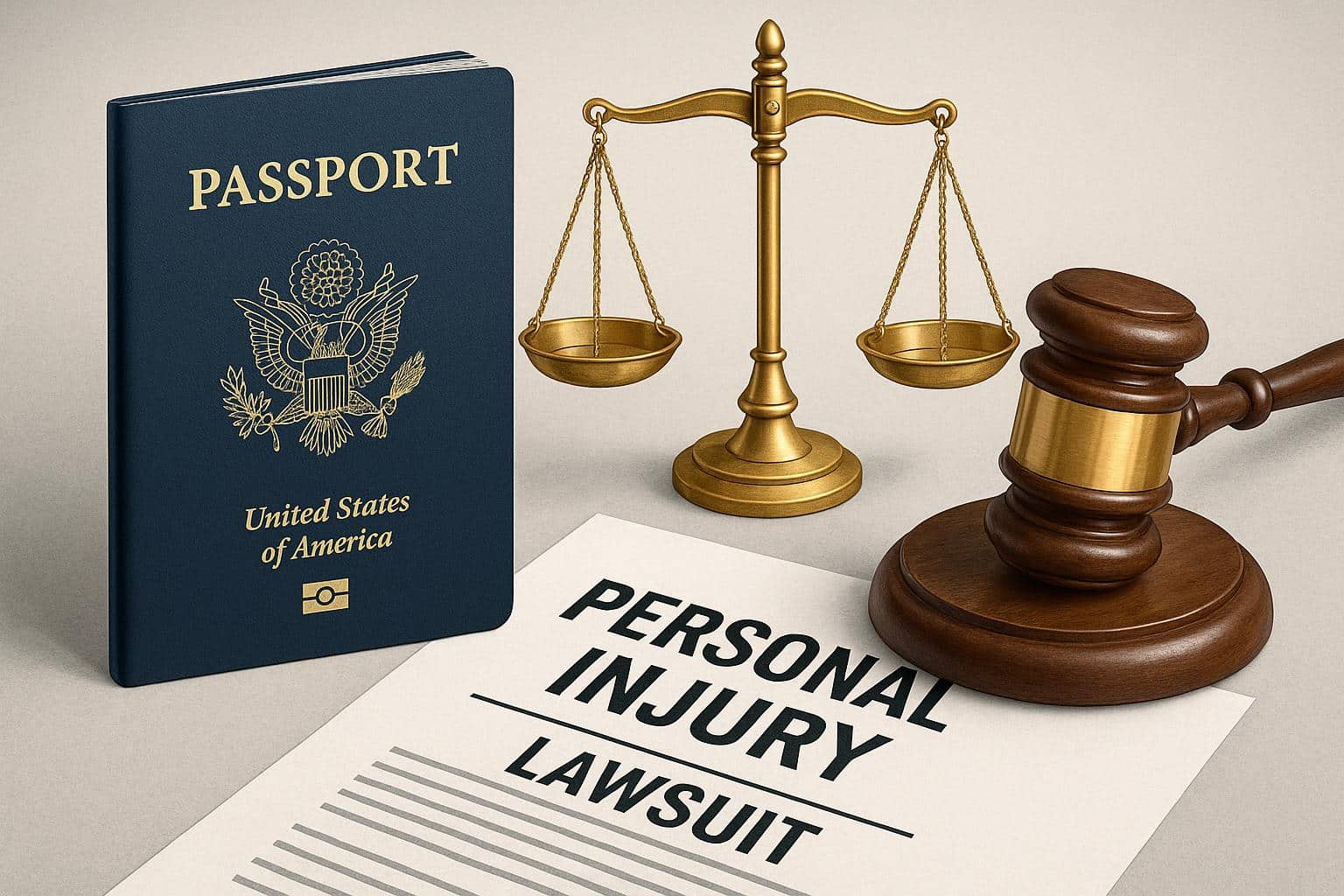
“Opting for expertise over convenience often makes all the difference in these circumstances. So, an informed lawyer is your best defense against any attempts to undermine your claim based on immigration status,” says Illinois personal injury lawyer Michael McCready of the McCready Law Injury Attorneys.
Just because your papers are not in order does not mean your rights are out the window. This breakdown will walk you through what personal injury lawsuit options could look like for you as a non-citizen here in Illinois.
Understanding Your Rights Under the 14th Amendment
Even for non-citizens, the U.S. Constitution provides support regarding rights and equal protection. Specifically, the 14th Amendment ensures that no state can deny any person within its jurisdiction “the equal protection of the laws.”
As an immigrant, you have as much right to seek compensation after an accident as anyone else does. Basically, if you are living or traveling through the U.S. and get injured due to someone else’s negligence, you have a stand in court for compensation. It is all about fairness—ensuring everyone gets their day in court if wronged.
Navigating Legal Concerns as a Non-Citizen
The concern that filing a legal claim might trigger an immigration investigation is understandable, but it is crucial to separate myth from reality here.
Pursuing a civil case such as a personal injury lawsuit does not put you on the radar of agencies like ICE, especially if your presence in the U.S. lacks any other legal complexities or criminal issues. Attorneys specializing in personal injury understand these nuanced concerns and are well-equipped to navigate them.
So, when considering legal action after an accident, clear communication with your lawyer can provide both relief and strategic guidance.
What To Do Post-Accident
Documenting Your Case Properly
Once you have addressed your immediate medical needs, gathering evidence becomes the next crucial step. This documentation establishes a firm base for your potential lawsuit and assists in proving negligence by the other party involved.
Start with the basics: collect names, contact information of witnesses, photos of the accident scene, and any damages incurred. Keep a detailed record of medical treatments received, as these documents can significantly strengthen your claim.
Also, it is essential to obtain copies of the filed police reports at the scene. Clear and organized evidence supports your case and helps streamline the legal process with your attorney.
Partnering with the Right Lawyer
As you gather evidence for your case, securing a seasoned lawyer becomes indispensable, especially when navigating the challenges of being a non-citizen. Some opposing parties might try using your immigration status against you, employing tactics such as intimidation or even threats of deportation.
An attorney can effectively counter these unethical strategies and protect your rights throughout the legal proceedings. When choosing a lawyer, look for someone experienced in handling cases for non-citizens and who shows genuine respect and understanding for your situation.
Maximizing Compensation for Damages as a Non-citizen
You might wonder if being a non-citizen affects the damages you can claim after an injury. Good news: it does not. Whether you are a citizen or not, you have the right to go after economic and non-economic damages.
Economic damages include the cash you spend on medical bills, the income you lose from missing work, and any changes to your property value following the incident.
Non-economic damages cover pain and suffering, PTSD, emotional distress, etc.—it is crucial to keep detailed records that show exactly how this injury messed up your day-to-day life because valuing these kinds of claims requires solid proof because they’re all about the less tangible impacts.