


Cillian Murphy’s long-anticipated return as Jim finally arrives in 28 Years Later: The Bone Temple, and it’s both a shock of nostalgia and a precise narrative pivot. Rather than a front-loaded cameo, the film holds him for the closing movement, using one understated scene to reframe the trilogy’s future and the moral center of its world.
How Jim Reenters the Story at the Cottage Sanctuary
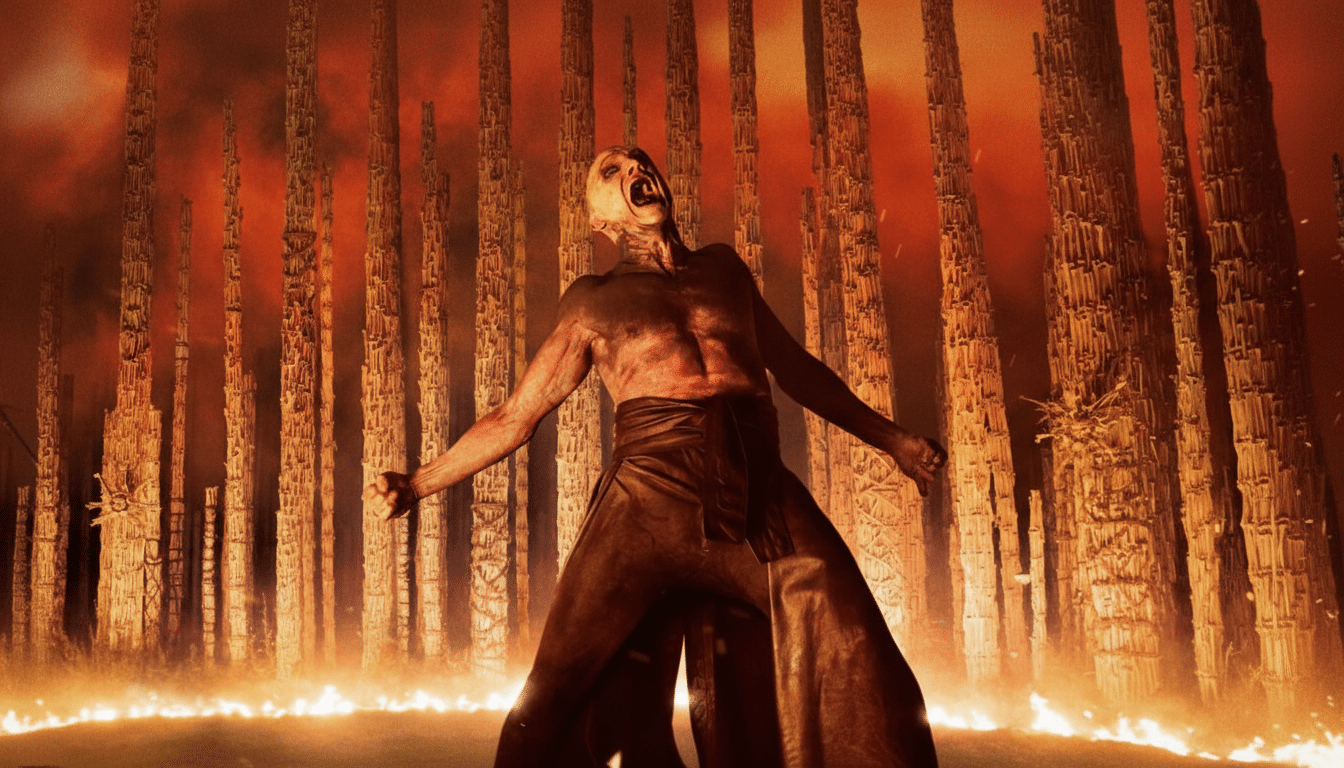
The Bone Temple ends in the ruins of power. Dr. Ian Kelson and folk-hero tyrant Sir Jimmy Crystal are gone after a blazing showdown inside Kelson’s macabre memorial. In the chaos, Alfie escapes with Jimmy Ink, who reveals her real name is Kelly. Their flight drives the film to an unexpected refuge: a remote cottage recognizable as the sanctuary from 28 Days Later.
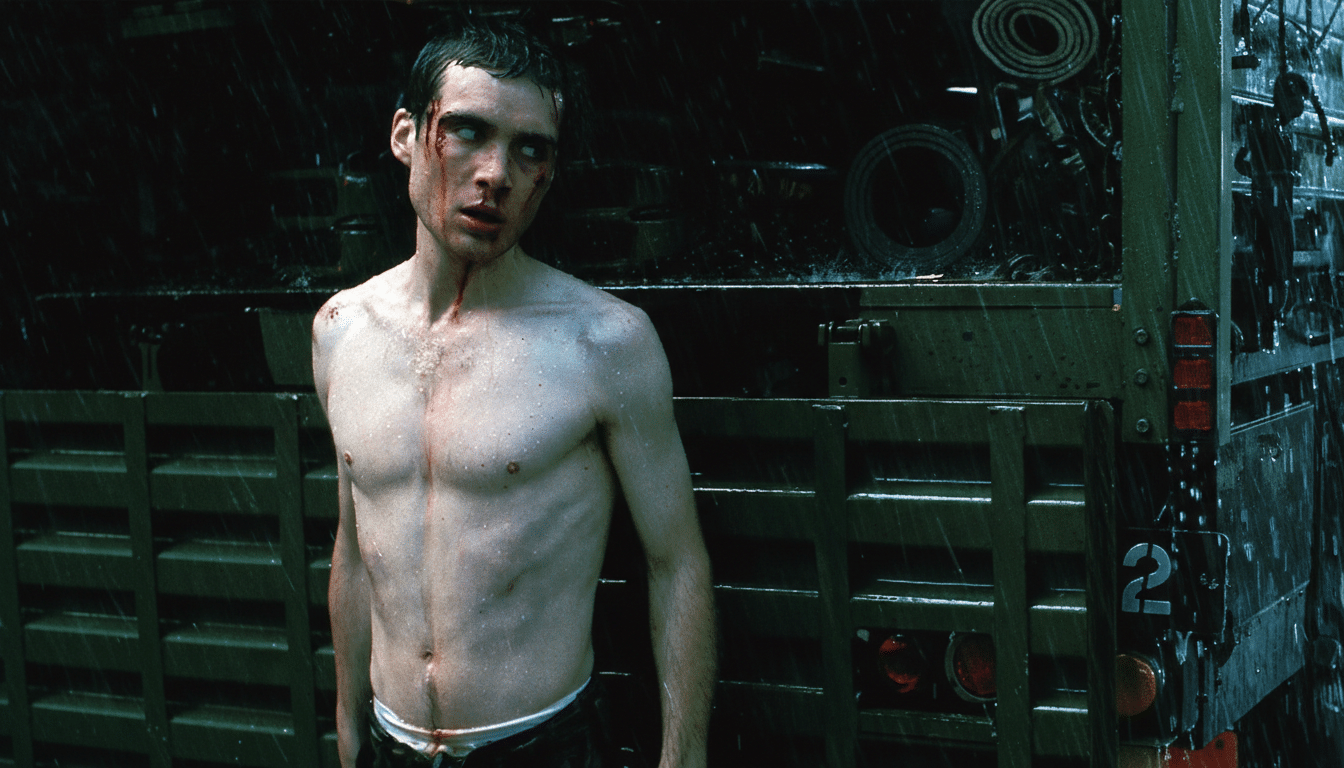
Inside, we meet Jim as a father, calmly tutoring his young daughter. The house is stocked and lived-in—books, preserves, small comforts—signs of a survivor who converted refuge into a home. Selena and Hannah are conspicuously absent, and the film keeps their fates offscreen. When Alfie and Kelly appear outside with Infected closing in, the girl asks if they should help. Jim doesn’t hesitate; he agrees. The cut to credits lands like a promise. This isn’t just a cameo—it’s the ignition for the trilogy’s endgame.
Why This Cameo Matters for 28 Years Later’s Future
Murphy skipped the previous installment on camera, serving instead as an executive producer, while Danny Boyle publicly signaled that Jim would return. Nia DaCosta’s film cashes that check in the final minutes, and does so with discipline. By positioning Jim as a seasoned protector who still chooses altruism, the series restores the franchise’s original moral axis: humanity is a decision, not a given.
Strategically, saving Jim for the closing beat amplifies anticipation for the announced third film, which Boyle has said he will direct from Alex Garland’s script. It also gives the sequel a clean relay: Alfie and Kelly’s momentum collides with Jim’s quietly fortified homestead, forcing old ethics and new realities into the same room.
Threads the Next Film Is Set to Pull Around Jim
Jim’s new life introduces immediate questions the trilogy can exploit. If his daughter’s mother is Selena, where is she now? Is Hannah still alive? Their absence invites either a late rescue, a devastating loss, or a thorny reunion that tests Jim’s hard-won stability. Meanwhile, unresolved arcs from The Bone Temple are moving: Spike’s father Jamie may be hunting across the mainland, and Cathy—the pregnant escapee from Sir Jimmy’s cult—now embodies the series’ recurring fixation on survival through parenthood.
Expect the next chapter to bind these threads around the cottage. Turning Jim’s sanctuary into a crossroads could invert 28 Days Later’s finale: instead of refuge as an endpoint, home becomes the contested prize.
What Jim’s Life Now Tells Us About His Code
The cottage is more than a callback—it’s character exposition. The careful stockpiles, the routine of lessons, the choice to help strangers at obvious risk all suggest a code refined over years. Jim isn’t just alive; he’s built a culture, however small, that resists the entropy of the Rage Virus era. That sets up rich conflict when outsiders arrive with danger on their heels. Will he risk everything for them again? The final line implies he will, and that instinct may define the coming story’s stakes.
Franchise Context And Real-World Benchmarks
Re-centering the narrative on Jim is savvy franchise management. The original 28 Days Later helped reboot modern infection horror and, per Box Office Mojo, earned roughly $85 million worldwide on a budget under $10 million. Its critical embrace—consistently strong on Rotten Tomatoes—owed much to Murphy’s vulnerable, clear-eyed performance. Bringing him back now aligns with a broader industry pattern: legacy leads reintroduced at inflection points tend to boost audience interest, a trend analysts at Comscore and exhibitors have highlighted across multiple franchises.
There’s also thematic continuity. Across these films, pregnancy, caregiving, and the ethics of community recur as pressure tests for civilization. Presenting Jim as a father who educates, not just shelters, reasserts those stakes and lends the next film an intergenerational lens rather than a mere reunion tour.
The Bottom Line on Murphy’s Return as Jim Here
The Bone Temple doesn’t just bring Jim back; it reframes him as the fulcrum of what comes next. One measured scene renews the series’ conscience, sets a new objective—protect the home—and draws a line from the past to the future without sentimentality. If Boyle and Garland deliver on that setup, the trilogy’s closing chapter won’t merely answer where Jim has been. It will decide whether the world he’s built can survive contact with everyone racing toward it.