


A long-running name in PC game utilities is making a rare price play: Cheat Happens is offering lifetime access to its full library of game trainers and tools for $34.99, a 65% cut from its usual $99.99. The one-time fee unlocks more than 27,000 trainers spanning over 6,000 PC games, plus utility software designed to manage and customize them.
What the Lifetime Plan Includes for Cheat Happens members
At its core, the deal grants perpetual access to a vast catalog of trainers built by an in-house team and maintained as games patch. Supported titles range widely—from big-budget shooters and RPGs to indie strategy hits—so you’re as likely to find options for a blockbuster as for a niche favorite.
- What the Lifetime Plan Includes for Cheat Happens members
- Why trainers still matter on PC for single-player games
- Compatibility and ethics for safe, single-player trainer use
- How it compares to alternatives like WeMod or Cheat Engine
- Real-world value of a one-time license versus subscriptions
- Who this deal is for and how to decide if it fits
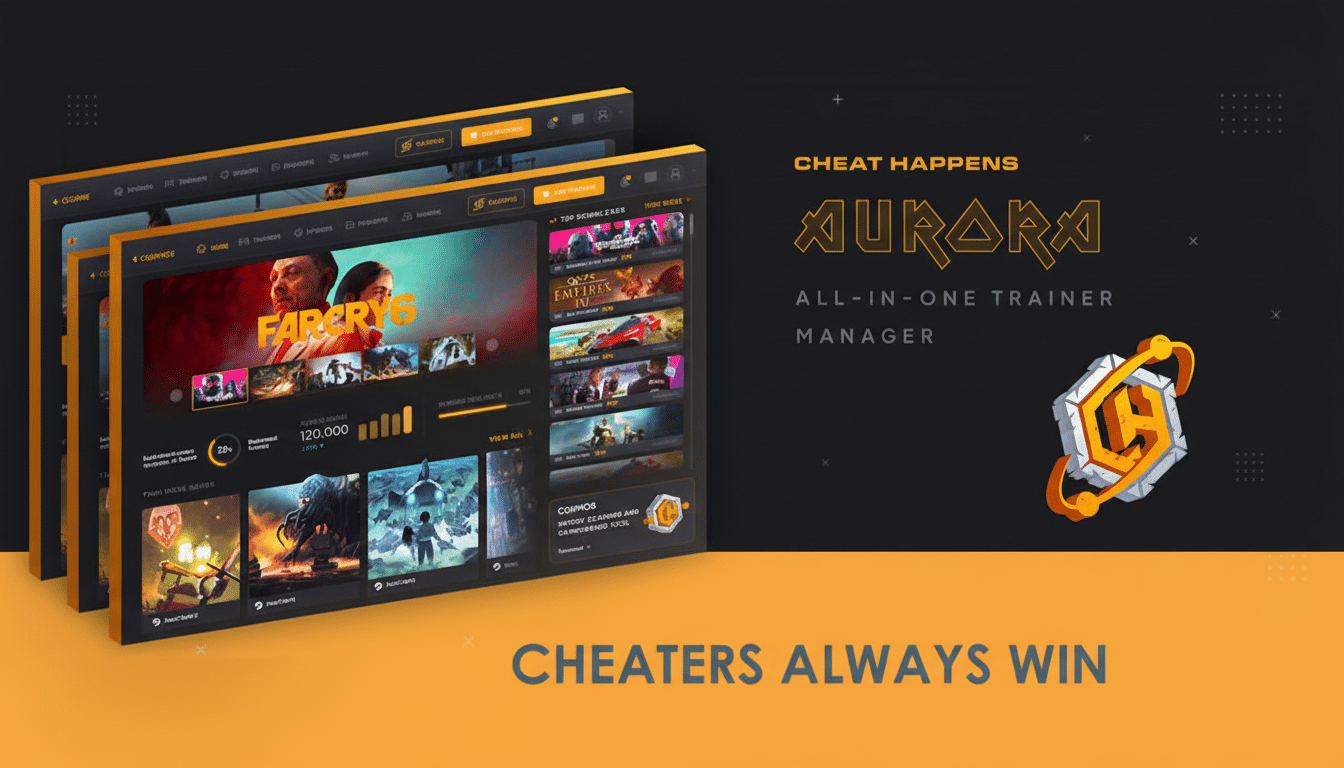
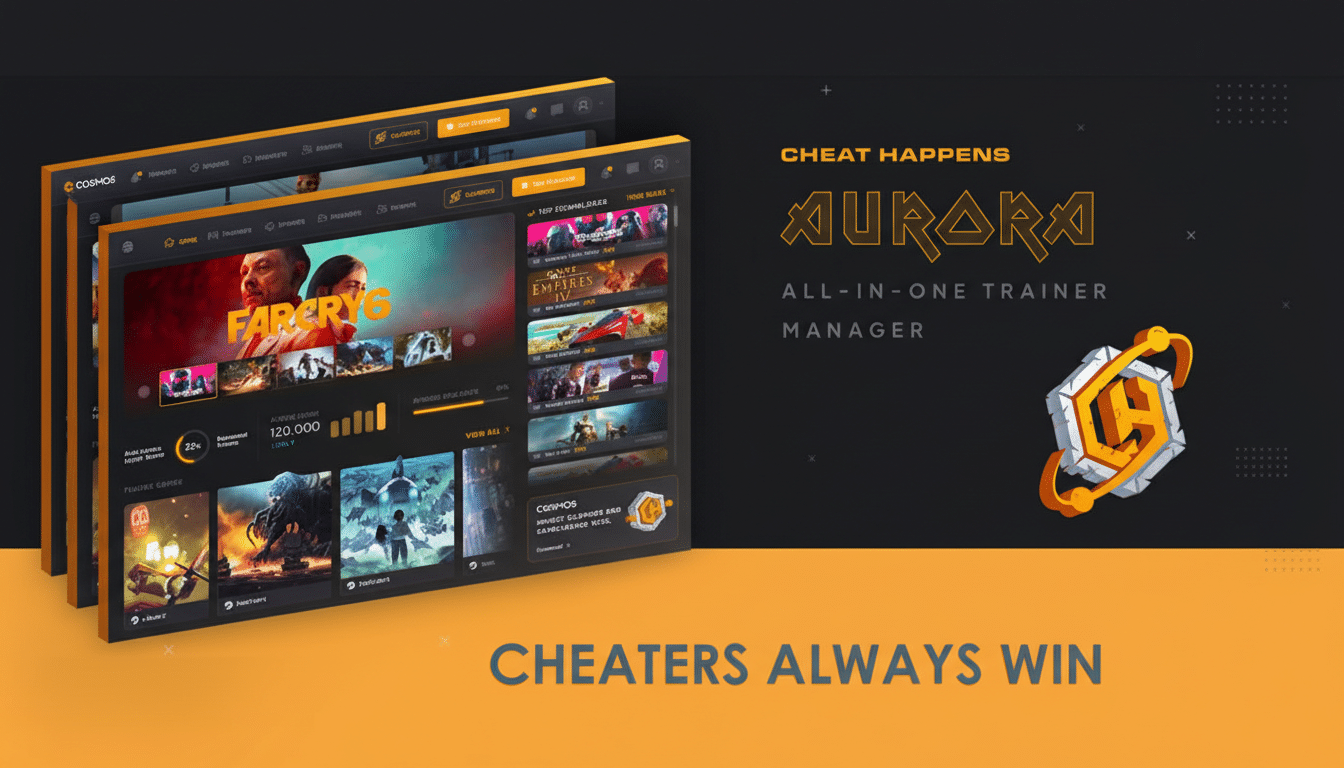
Membership also includes the Cheat Happens Trainer Manager, which centralizes downloads, organizes favorites, and alerts you when a game update requires a new trainer build. Power users get the CoSMOS Memory Scanner, a deep tool for discovering and editing game variables (think pointers, arrays of bytes, and structure dissections) without wading through inscrutable hex dumps. The company also operates a request-and-vote system so members can prioritize new trainer targets.
Why trainers still matter on PC for single-player games
In the PC ecosystem, single-player tinkering has never gone out of style. The Entertainment Software Association’s recent player surveys show that relaxation and stress relief are top reasons people play, and trainers fit that brief: skip grindy sections, test late-game builds early, or practice boss phases without losing progress. On Steam, enduring single-player stalwarts regularly chart in the most-played lists, and many of those games receive frequent patches—fueling ongoing demand for updated trainers.
Beyond casual convenience, trainers have practical uses for creators and hobbyists. Speedrunners use them to isolate segments for practice. Content creators rely on invulnerability or free-camera toggles to capture cinematic footage. Even mod-curious players treat trainers as a low-friction way to explore systems before installing heavier overhauls.
Compatibility and ethics for safe, single-player trainer use
Trainers are intended for single-player modes and offline play. Anti-cheat services used by many online games—such as Easy Anti-Cheat or BattlEye—actively monitor memory manipulation and can block or penalize it. Responsible use means steering clear of competitive multiplayer and respecting game publishers’ EULAs. Reputable trainer makers typically display clear guidance about where their tools are safe to use.
Security is another common question. Because trainers alter memory, antivirus tools sometimes flag them as suspicious. Microsoft’s security team notes that false positives can occur with utilities that exhibit low-level behavior. Established vendors mitigate this with code signing, detailed changelogs, community vetting, and responsive rebuilds when detections spike. Users should download only from the official source, verify file integrity, and whitelist judiciously when confident a file is clean.
How it compares to alternatives like WeMod or Cheat Engine
There are three broad paths for PC players: curated trainers, all-in-one front ends, and DIY memory editing. WeMod-style apps streamline a subset of games behind monthly fees. Open-source tools like Cheat Engine are powerful and free, but demand time and expertise to locate stable pointers and rebuild tables after patches. Cheat Happens’ pitch sits in the middle: a large, curated library with one-click toggles and fast updates, now without a recurring cost.
Real-world value of a one-time license versus subscriptions
The economic case is straightforward. Even if you only use trainers for 10 games over the next few years, the effective cost is $3.50 per title—less than a typical cosmetic microtransaction. For players exploring big backlogs or replaying classics, the cost per use drops quickly. With consumers increasingly fatigued by subscriptions, as highlighted in multiple industry trend reports from firms like Deloitte, a one-time license is a notable differentiator.
Who this deal is for and how to decide if it fits
If you play primarily single-player on PC and value flexibility—experimenting with builds, accelerating repeats, or creating content—this lifetime tier makes a compelling case. It’s equally appealing for accessibility-minded users who benefit from features like slowdown, resource boosts, or damage mitigation that many games still lack natively.
As always, the rules of the road apply: keep trainers out of competitive spaces, follow the developer’s guidance for safe modes, and use trusted sources. Within those bounds, a $35 lifetime license to thousands of trainers and robust tools is the rare deal that can outlast multiple generations of your gaming PC.