


Now OpenAI and Instacart have partnered to turn grocery purchasing into a part of ChatGPT’s native operation, allowing consumers to go straight from ideating meals to checking out without ever closing the chatbot. It’s a simple pitch: Ask for a recipe, receive a shoppable list of ingredients, adjust the items you want or don’t want, schedule delivery or pickup, and pay — all in the same chat.
The combination underscores a broader change in AI from answering questions to getting things done. Instead of giving you a list of steps to follow, ChatGPT can reach out to a service and do it — compressing planning and purchase into one flow.
- How the Instacart and ChatGPT integration works
- Why this integration matters for AI-driven retail shopping
- Safety and accuracy still matter for AI meal planning
- Privacy, account linking, and data controls for shoppers
- Early use cases to try and the current constraints
- The bottom line on grocery shopping inside ChatGPT
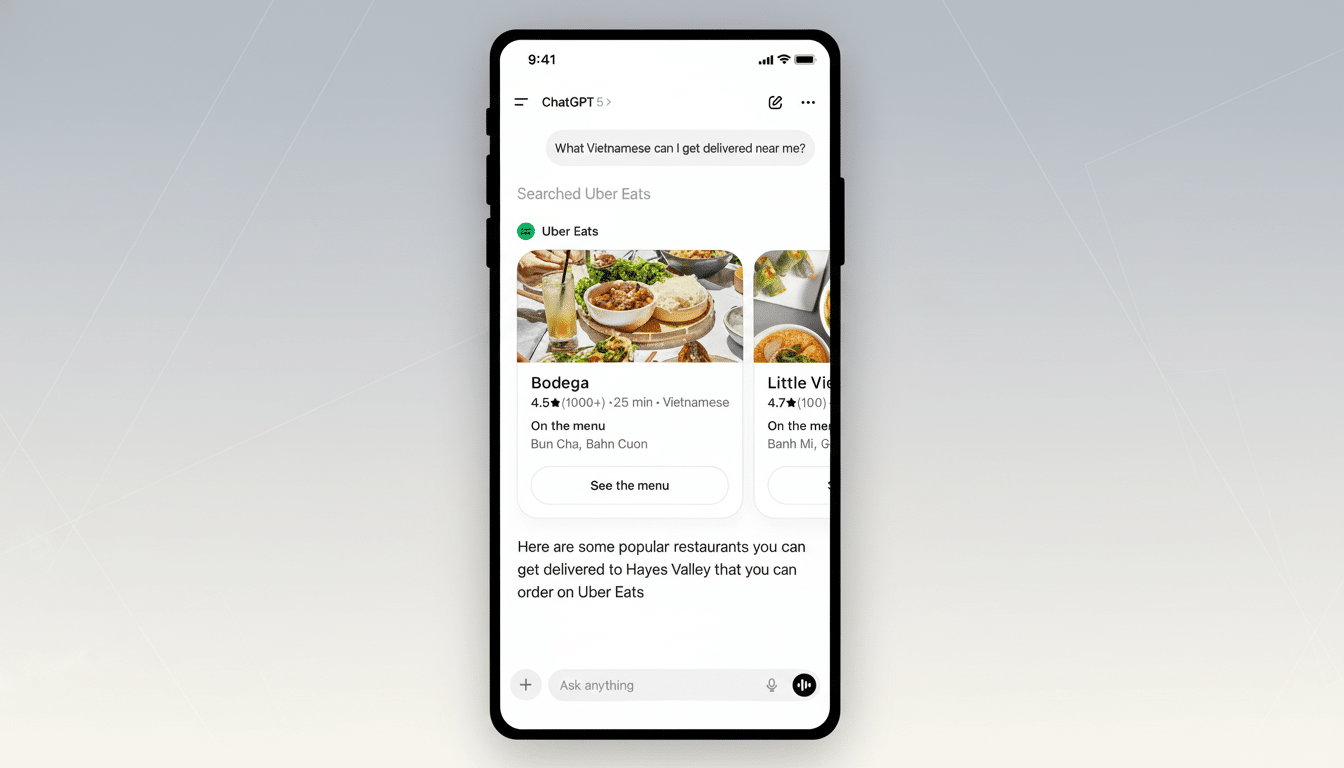
How the Instacart and ChatGPT integration works
Users can ask for recipes, substitutions, or meal plans within ChatGPT and then send the ingredients to Instacart for pickup or delivery. You can customize quantities, substitute brands, set delivery windows, and apply preferences (organic or budget-friendly items) before checking out.
Transactions take place through your Instacart account, so store availability, delivery fees, and benefits of Instacart+ apply as normal. The experience is meant to be chatty: “two dinners under $25” or “gluten-free snacks for kids” can get shopped as carts you refine step by step.
Availability reflects where Instacart already operates, so selection, pricing, and delivery times will differ locally by retailer. Out-of-stock items and replacements still adhere to seller availability and Instacart’s rules for substitutions, though you can pre-establish preferences in the chat to cut down on surprises.
Why this integration matters for AI-driven retail shopping
This is a significant test for AI as an interface to commerce. OpenAI has said that ChatGPT is employed by more than 100 million users each week, and Instacart’s public filings say the company serves over 95% of U.S. households (and most of Canada). If even a fraction of those users start ordering in conversations, it could change how people think about planning meals — and shopping.
The timing meets steady but not uniform growth in online grocery. Online grocery shopping accounted for about 12 percent of overall U.S. grocery spending last year, according to research from Brick Meets Click and Mercatus. Friction — searching for items, juggling numerous open tabs, coordinating substitutes — continues to dissuade many shoppers. “It’s too much friction,” says Ren, who hopes ChatGPT can chip away at that by combining discovery and checkout into one interaction.
For retailers and brands, it also introduces a new surface for sponsored placements and smarter recommendations. As the assistant learns about needs, budgets, and pantry staples over time, it can suggest carts that feel tailored without requiring manual browsing.
Safety and accuracy still matter for AI meal planning
AI meal planning is convenient, but it’s not foolproof. Public examples have demonstrated chatbots giving strange or dangerous cooking advice, and media stories have tallied dangerous guidance provided when models hallucinate ingredient substitutions. Food advice is even more fraught: seasoning, allergens, and food safety are nonnegotiable.

Practical guardrails help. Check the ingredients, cross-reference nutritional claims, and sanity-check cooking times with trusted sources of information like food safety guidance from the USDA. And if the aide recommends alternatives you don’t know, stop to confirm before tossing them in your cart. Little checks prevent big mistakes.
Privacy, account linking, and data controls for shoppers
As this is a third-party integration, account linking and consent are mandatory. Instacart handles orders and payments; conversational context is stored in ChatGPT. Both also post privacy policies that explain how data is used for fulfillment, personalization, and customer service.
It’s worth a trip to the settings for those who manage chat history, sharing with third-party apps, and ad personalization. But like with any commerce tool as part of an assistant, it’s a good idea to minimize unnecessary retention and be thoughtful about what you share.
Early use cases to try and the current constraints
Two or three patterns early adopters are likely to prefer:
- Weekly meal plans with Instacart
- Dietary/budget filters for family shopping
- Recipe-to-cart flow where quantities auto-calculate based on servings
The assistant can even construct “pantry-aware” lists if you tell it what ingredients you already have on hand.
Limits remain. Prices vary by retailer, fees may accrue, and substitutions are subject to local stock. Reordering by voice is handy, but accuracy suffers in noise. And although the model is a good approximation for ideas, it can still miss regional brands or specialty items carried by niche stores.
The bottom line on grocery shopping inside ChatGPT
Grocery shopping in ChatGPT goes from AI as helper to AI as doer. OpenAI and Instacart are testing whether a natural language interface can eliminate the biggest frictions in online grocery by combining discovery, planning, and checkout. If the experience is dependable — and users remain vigilant about accuracy and privacy — it could establish a new default for how people stock the fridge.