


Television manufacturers came to the show prepared to recalibrate those expectations. Wireless OLEDs helped free us from cable clutter, mini-LED wiped the floor with glare, and micro-LED walls extended beyond 160 inches. Beyond the razzle-dazzle, however, the best sets provided real engineering improvements in terms of brightness, color volume and installation flexibility — changes you might actually see at home.
Wireless OLEDs Finally Real and Practical
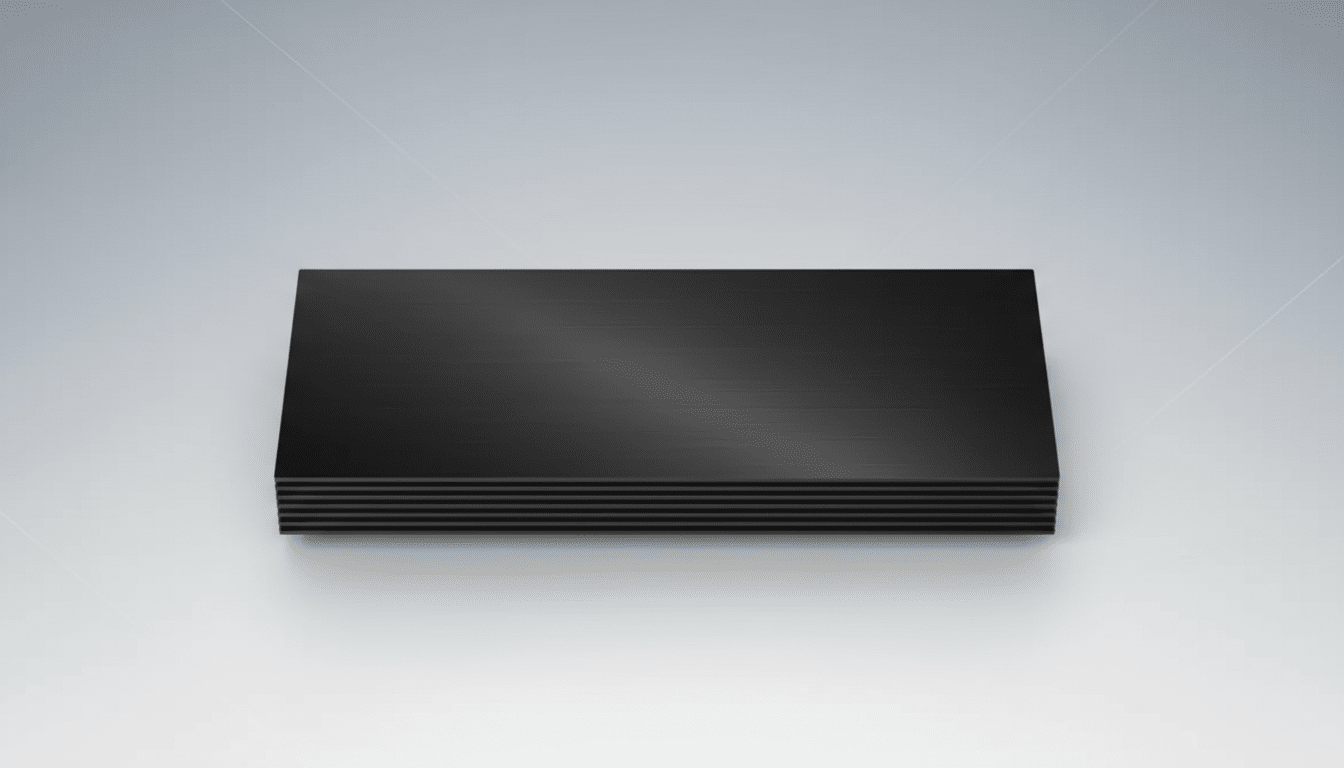
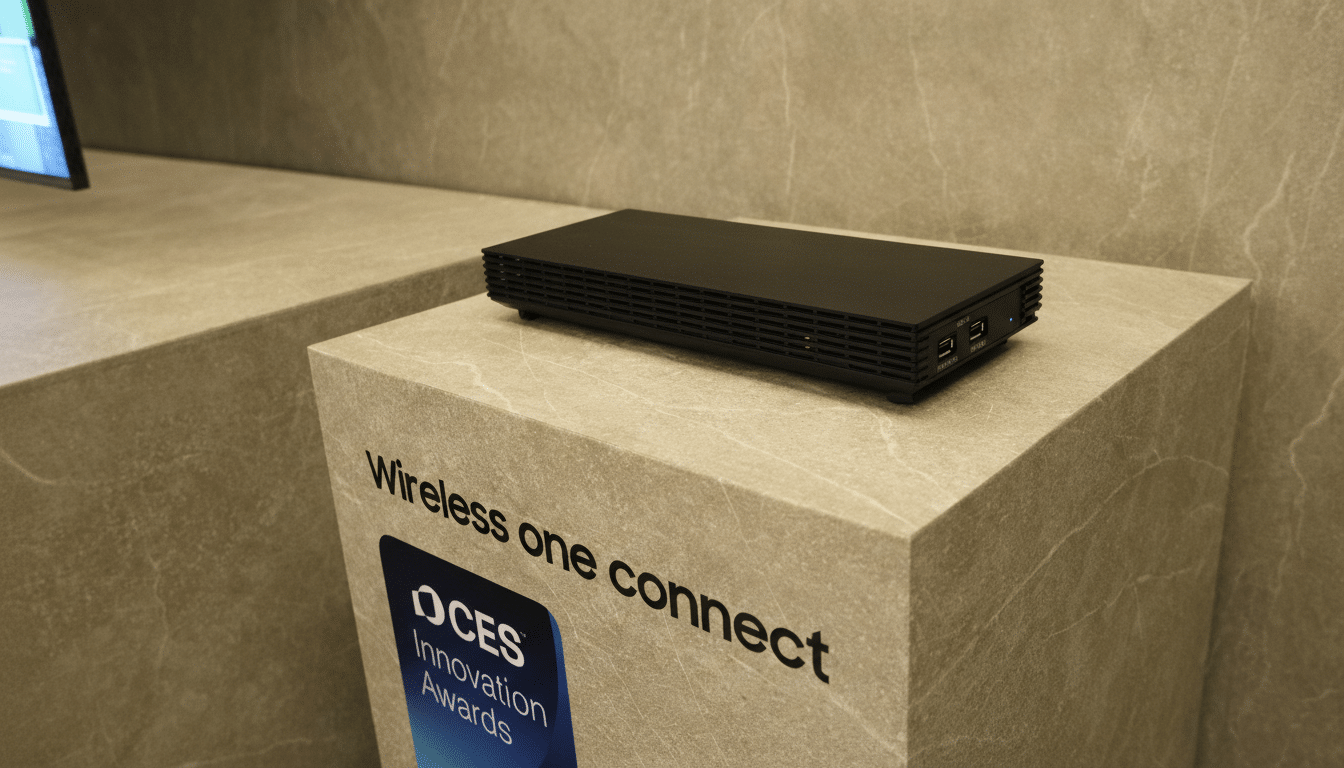
Not the most novel implementation of wireless TV, but Samsung’s top OLED with optional Wireless One Connect box is the best yet. The panel gets its uncompressed 4K HDR video and control feeds over a short-range high-bandwidth link, meaning you can mount the screen on the wall without running a snake pit of HDMI cables. For the latency hawk, you don’t have to go wireless and can run a direct cable if it’s all about gaming. The neat part is you can still use both, as an extended connectivity option or to keep the panel clean. This design cuts hours from wall jobs while also doing away with visible cable channels, installers told me — real savings, not just showroom flash.
- Wireless OLEDs Finally Real and Practical
- LG Resurrects the Wallpaper-thin Dream
- Mini-LED Blows the Roof Off With 10,000 Nits
- RGB LED Chases More Than Just Wide Color Coverage
- Micro-LED as the Wall for Truly Massive Screens
- Supersized LCDs Keep Growing Across Product Lines
- A Slimmer Outdoor TV With a Minimalist Design
- What Large Numbers and Specs Really Mean for You
For picture fiends, the OLED panel alone is brighter and better heat-managed than last year’s offerings. And with Samsung’s aggressive ABL tuning, specular highlights in HDR pop more realistically without the black-level ramifications you get on many LCDs. The calibrators I spoke to at ISF said the set held PQ EOTF better above 1,000 nits than previous Samsung OLEDs, a small but significant gain for HDR accuracy.
LG Resurrects the Wallpaper-thin Dream
LG’s W6 revives the super-slim “wallpaper” design at a width of approximately 9 millimeters, but only by offloading the inputs and some processing to LG’s Zero Connect box. The link’s not optional, so competitive gamers willing to sacrifice a little image quality in order to have the absolute lowest input lag will probably want the wired G6 sibling that shares this panel instead.
LG claims its Brightness Booster Ultra pipeline dramatically amps peak OLED output up the wazoo through use of microlens array optics and beefier thermal dissipation. Company briefings alluded to test scenes cresting the mid-4,000-nit range in quick bursts, which fits with broader industry trends analysts at DSCC have observed: OLED inches closer to mini-LED territory while maintaining per-pixel contrast and off-angle fidelity.
Mini-LED Blows the Roof Off With 10,000 Nits
TCL X11L sets planted a flag with the promised 10,000-nit peak and 100% BT.2020 color coverage, driven by what the company refers to as SQD-Mini LED. Backlight-wise, it houses many, many more, much smaller blue LEDs behind a quantum-dot layer to help blast through the higher luminance with better local dimming control.
Does 10,000 nits matter? Most living rooms don’t demand it all the time, of course — high dynamic range standards from SMPTE and the ITU allow for mastering up to 10,000 nits now, and modern tone-mapping aims to preserve detail in highlights ranging from sun glints on water to fireworks. In real-world viewing, the peak number was only part of what looked a lot like impressive endurance: how much repeatable bright window the set could sustain before it began washing out blacks — an indication of serious power and thermal engineering.
RGB LED Chases More Than Just Wide Color Coverage
Hisense’s 116UXS also takes a further step beyond conventional RGB LED through the addition of a fourth “sky blue” emitter.
The company claims 110% BT.2020 coverage. Color scientists will rightly point out that numbers above 100% often represent area coverage on a chromaticity diagram, rather than actual primary boundary overshoot, but the takeaway remains: narrower, more saturated primaries can deliver richer hues and higher color volume at high luminance. The previous Hisense 116-inch flagship was already one of the brightest big screens independent reviewers had tested; this looks like a model likely to raise that, while also widening the palette.
Micro-LED as the Wall for Truly Massive Screens
The jaw-dropper was Hisense’s 163-inch micro-LED, which replaces an LCD layer with self-emissive clusters and even throws a yellow subpixel into the classic RGB mix. The result is OLED-like per-pixel light control without the blooming, black as ink at truly vast size. Hisense cites 100% BT.2020 coverage; combined with micro-LED’s sky-high full-screen brightness, HDR looked effortlessly impactful.
Reality check from DSCC and home installers: micro-LED walls are still six-figure investments with servicing, calibration and modular assembly required. Pixel pitch sets seating distance; at this size, you’ll need a big room to keep from seeing structure. Yet the trend seems clear — costs are headed south and manufacturing yields are improving.
Supersized LCDs Keep Growing Across Product Lines
Samsung also showed off a 130-inch RGB LED set at the top of its LED lineup, part of a family that already runs from living-room sizes to theatrical scale. It’s the biggest one of its kind the company has demonstrated, and a reminder that although micro-LED is the endgame, high-end LCD with very dense local dimming remains a more practical path to truly giant screens than many people can afford.
A Slimmer Outdoor TV With a Minimalist Design
Sylvox’s Frameless Outdoor TV sets itself apart from the clunky waterproof covers elsewhere. Its IP56 rating indicates that it’s resistant to dust and powerful water jets, but the bezel-less look screams more patio design than patio gear. When you’re entertaining outdoors, that mix of durable construction and low-key aesthetics is hard to come by — and appreciated.
What Large Numbers and Specs Really Mean for You
Brightness is useful for cutting through daylight and maintaining HDR detail, but you need a pinpoint-focused local dimming or per-pixel control system to avoid halos. OLED still rocks contrast and uniformity; mini-LED battles back with raw light output and ever-tighter dimming zones. For the décor and install-friendly among us, wireless video links are convenient, but hardcore gamers can opt for a direct cable to avoid added processing. If color accuracy matters, investigate sets that can be calibrated to track PQ and reference white in Filmmaker Mode, confirmed by groups like the UHD Alliance.
The bottom line this year is straightforward. Wireless OLEDs make premium design a no-brainer, mini-LEDs reminded us that five-digit nits aren’t just lab banter, and micro-LED showed everyone what the future wall truly resembles. Whether your preference is for clean install time, daytime punch or cinema-first contrast, there was a standout for every living room — and an even smaller number of living rooms that are big enough to cover with one.