


Smart home tech at CES leaned less on spectacle and more on solving everyday annoyances, from charging hassles and setup headaches to tedious chores. The through line: devices that reduce friction and quietly make routines faster, cleaner, and safer.
Analysts have long said adoption rises when products remove complexity, not add to it. With more than 40% of US broadband households owning at least one smart home device according to Parks Associates, the next wave is about deeper utility. These seven standouts show what that looks like in practice.
- A Stair-Climbing Robot Vacuum That Actually Cleans Stairs
- A Smart Lock That Keeps Itself Charged Wirelessly
- Sensors That Work Without Your Wi-Fi Network
- A Fridge That Builds Your Shopping List Automatically
- Smart Blinds That Track the Sun for You All Day
- A Modular Robot That Deep Cleans Carpets
- A Prototype Robot That Plays Nice With Appliances
- Why These Smart Home Picks Matter for Consumers
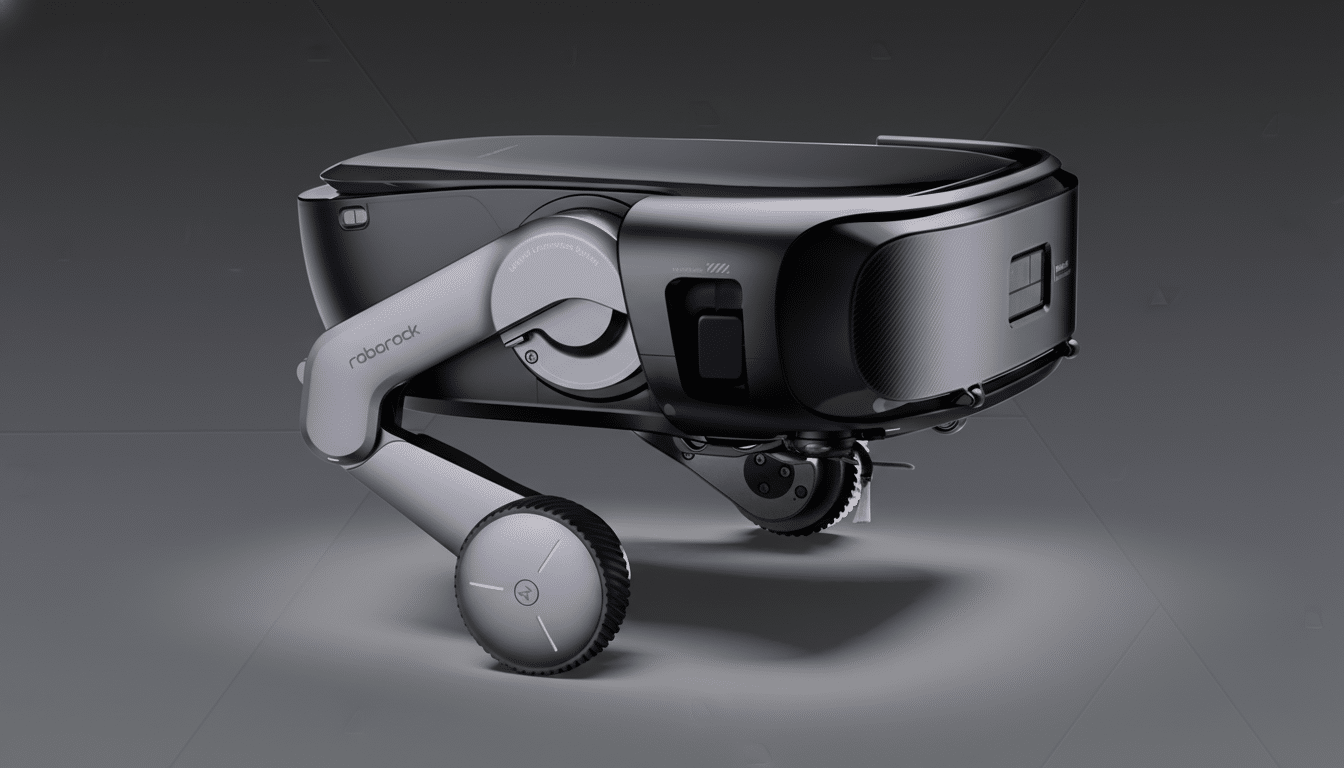
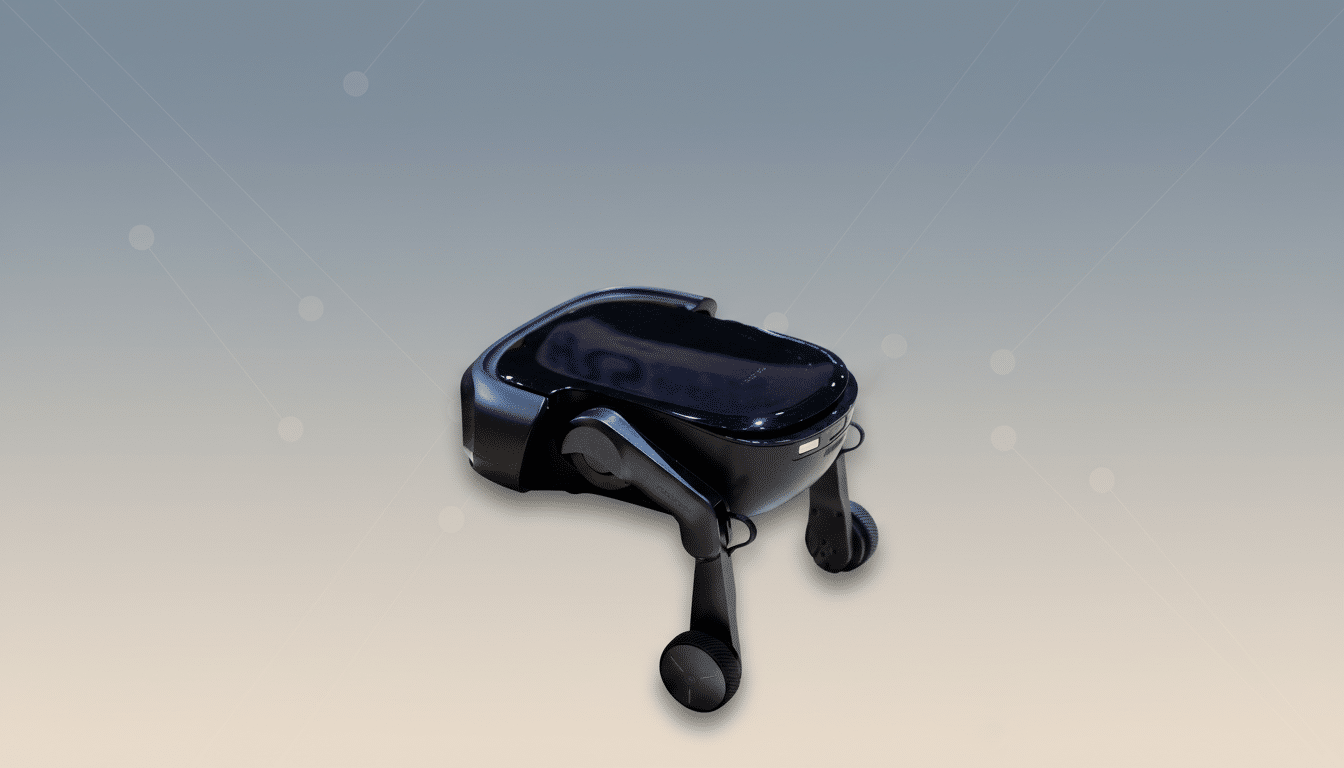
A Stair-Climbing Robot Vacuum That Actually Cleans Stairs
Roborock’s Saros Rover trades novelty for real function: articulated legs that let the bot climb stairs and scrub each step as it goes. Each leg moves independently to brace on one tread while the body slides forward to clean the next, helping it clear thresholds, slopes, and risers that stop traditional round vacs cold.
The payoff is obvious for multi-level homes. Instead of babysitting a robot or carrying it between floors, you task it once and let the legs handle the transitions and edges.
A Smart Lock That Keeps Itself Charged Wirelessly
The Lockin V7 Max tackles the most annoying part of smart locks—dead batteries—by using wireless optical power. A small transmitter placed within about 13 feet sends an eye-safe infrared beam to a receiver on the lock’s interior panel, keeping it topped up continuously. The company says the system is certified by independent safety labs and tuned for stable, efficient power delivery.
Beyond power, the V7 Max doubles as a video doorbell with dual exterior cameras and supports fingerprint, palm, and facial unlock. Pricing isn’t final, but Lockin indicated a premium tag, with the same charging tech planned for a more affordable model later.
Sensors That Work Without Your Wi-Fi Network
Ring’s new sensors simplify setup to “place and go.” They connect over Amazon’s Sidewalk network automatically, no hub or home Wi-Fi required, making it easier to cover hard-to-reach spots around a property. Sidewalk aggregates a tiny slice of bandwidth from participating devices to create neighborhood-scale connectivity.
Motion detectors, leak sensors, and even smart plugs in this lineup benefit from that backbone. Amazon notes Sidewalk coverage is now comparable with cellular service in many areas, which is the point: less fiddling, more functioning.
A Fridge That Builds Your Shopping List Automatically
GE Profile’s Smart Fridge adds a built-in barcode scanner and inventory logic to kill the “do we have it?” debate. Scan the last box or bottle when you run out, and the fridge adds it to a shared list visible on the door’s touchscreen or in the companion app. The database recognizes roughly four million barcodes and lets you add custom items when it doesn’t.
An interior camera snaps the produce drawers, so you can sanity-check your berries from the store. The dispenser supports hands-free auto fill and precise measurements for recipes. It’s a premium appliance with a premium price, but the features serve real family logistics.
Smart Blinds That Track the Sun for You All Day
Lutron’s Caséta smart wood blinds bring timed intelligence called Natural Light Optimization. Using your location and window orientation, the blinds subtly tilt throughout the day to diffuse glare, block harsh midday rays, and close at dusk for privacy—no light sensor needed.
The US Department of Energy estimates windows account for 25–30% of residential heating and cooling energy use. Automated shading can ease that load, protect furnishings from UV exposure, and improve comfort without lifting a finger. Lutron says the battery packs last for years, and pricing starts competitively for custom treatments.
A Modular Robot That Deep Cleans Carpets
Robotin’s R2 Pro is the first consumer bot we’ve seen that shampoos and dries carpets, not just vacuums them. Its deep-clean module can wash and dry up to about 400 square feet in roughly three hours, then swap for a vacuum-and-mop module when you’re short on time. The modular design puts navigation and drive in the base and chores in the swappable tops.
For households with pets, kids, or high-traffic rugs, that shift from “maintenance cleaning” to “restorative cleaning” could be the reason to finally go robotic.
A Prototype Robot That Plays Nice With Appliances
LG’s CLOiD concept looks like a cartoon but aims at real help: mobile wheels, expressive face, adjustable torso, and articulated hands that can grip. In demos, CLOiD coordinated with connected appliances to start dishwashers or preheat ovens and handled light chores like switching laundry or folding. It’s early-stage and may evolve, but the promise is a generalist helper that orchestrates the devices you already own.
Why These Smart Home Picks Matter for Consumers
Each device erases a routine pain point—charging a lock, climbing stairs, reaching a detached garage, remembering groceries, managing sunlight, deep-cleaning carpets, or coordinating tasks. That’s the smart home people have been promised for years: less micromanagement, more ambient assistance.
There are caveats: premium pricing, the need to trust shared networks like Sidewalk, and prototypes that may change before launch. But the trajectory is right. When hardware pairs practical design with resilient connectivity, the result is tech that fades into the background and gives time back every single day.