


CES 2026 was a resounding vote for what the next wave of notebooks should be: thinner, smarter, easier to service and more open to playing around with screens in ways that felt fanciful only a few years ago. New silicon from Intel, AMD and Qualcomm promised more powerful on-device AI and longer run times than devices have had in years past — finally giving vendors the headroom to re-imagine design, not just spec sheets.
Two macro trends stood out. First, modularity and repairability are making the leap from niche to mainstream, a change long advocated by Framework and now being echoed by major PC makers pursuing lower total cost of ownership for IT. Second, display innovation is back with a vengeance, from improved dual-screen rigs to those rollable and twisting panels that are inching ever closer to practicality.
- Best All-Around Laptop Lenovo ThinkPad X1 Carbon Gen 14 Aura
- Best Ultralight Lenovo Yoga Slim 7i Ultra Aura
- Best Dual‑Screen Laptop Asus Zenbook Duo
- Best Big‑Screen Ultralight Asus Zenbook A16
- Best Business 2‑in‑1 Lenovo ThinkBook Plus Gen 7 Auto Twist
- Best Comeback Dell XPS 14 and XPS 16 laptops
- Best Enterprise Ultralight Asus ExpertBook Ultra
- Wildest Idea Lenovo rollable laptop prototypes
It all lands at a time when analysts including Canalys are predicting AI-capable PCs will account for about 60% of shipments in 2027 and supply trackers, such as TrendForce, are warning memory prices could be pressured higher by the same AI demand — context that also helps explain why several of these brands announced specs first and price later. These are the standout products that broke through the Vegas chatter.
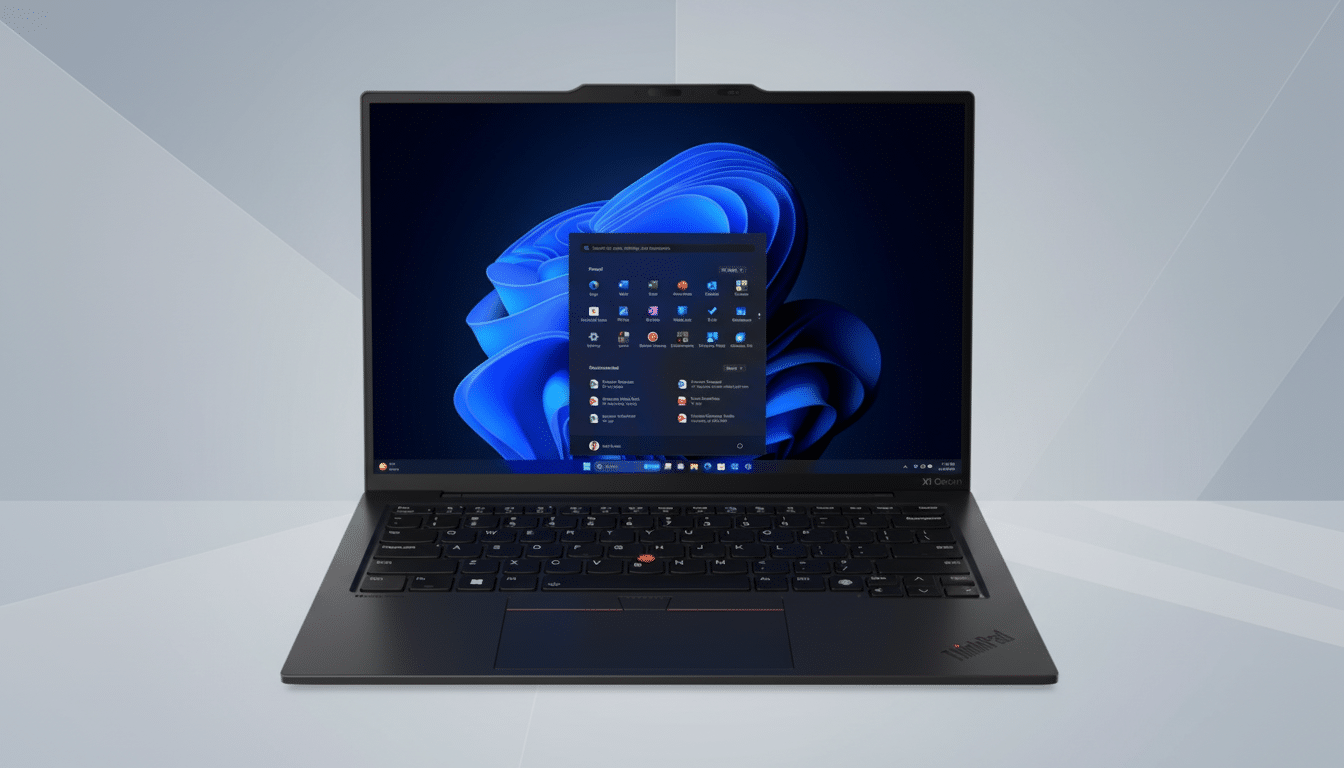
Best All-Around Laptop Lenovo ThinkPad X1 Carbon Gen 14 Aura
Lenovo’s flagship business laptop boldly eschews the company’s crummy old keyboard for one with a 60 percent design improvement. The Lenovo ThinkPad X1 Carbon moves beyond “nothing but business” with a gorgeous new design and an impressive set of features. The result: field-replaceable components where they count — keyboard, fans, speakers, ports and battery — all held down with smart fasteners rather than adhesive. It’s the most significant push for right-to-repair that we have seen from a premier-line enterprise.
Combine that serviceability with the premium build quality, next-gen Intel Core Ultra X silicon, which now includes both a beefier NPU and a bright low-power display option, and you have a machine that respects IT checklists without pissing all of us off. Lenovo is aiming for an entry price of about $1,999 in the first quarter.
Best Ultralight Lenovo Yoga Slim 7i Ultra Aura
At roughly 2.15 pounds, this clamshell is lighter than most 13-inch rivals, but it never feels flimsy. The star is a 2.8K 120Hz POLED panel — lush color, inky contrast and quick response that make creative work and scrolling feel silky without incinerating battery life.
On the inside, the high-end Core Ultra X9 Series 3 configurations pack powerful integrated graphics and an NPU (Neural Processing Unit) to keep everyday AI work on-device. Lenovo puts the base price at around $1,499.99 and says it will be available in Q2.
Best Dual‑Screen Laptop Asus Zenbook Duo
Asus didn’t reinvent its two-display recipe; it perfected it. And with a thinner “hideaway” hinge, brighter and smoother 3K OLED panels and a lighter Ceraluminum shell, the Duo does feel appreciably sleeker than last year’s model. The magnetic detachable keyboard still snaps on neatly, and the software has fewer rough edges when trying to juggle your window layouts across both screens.
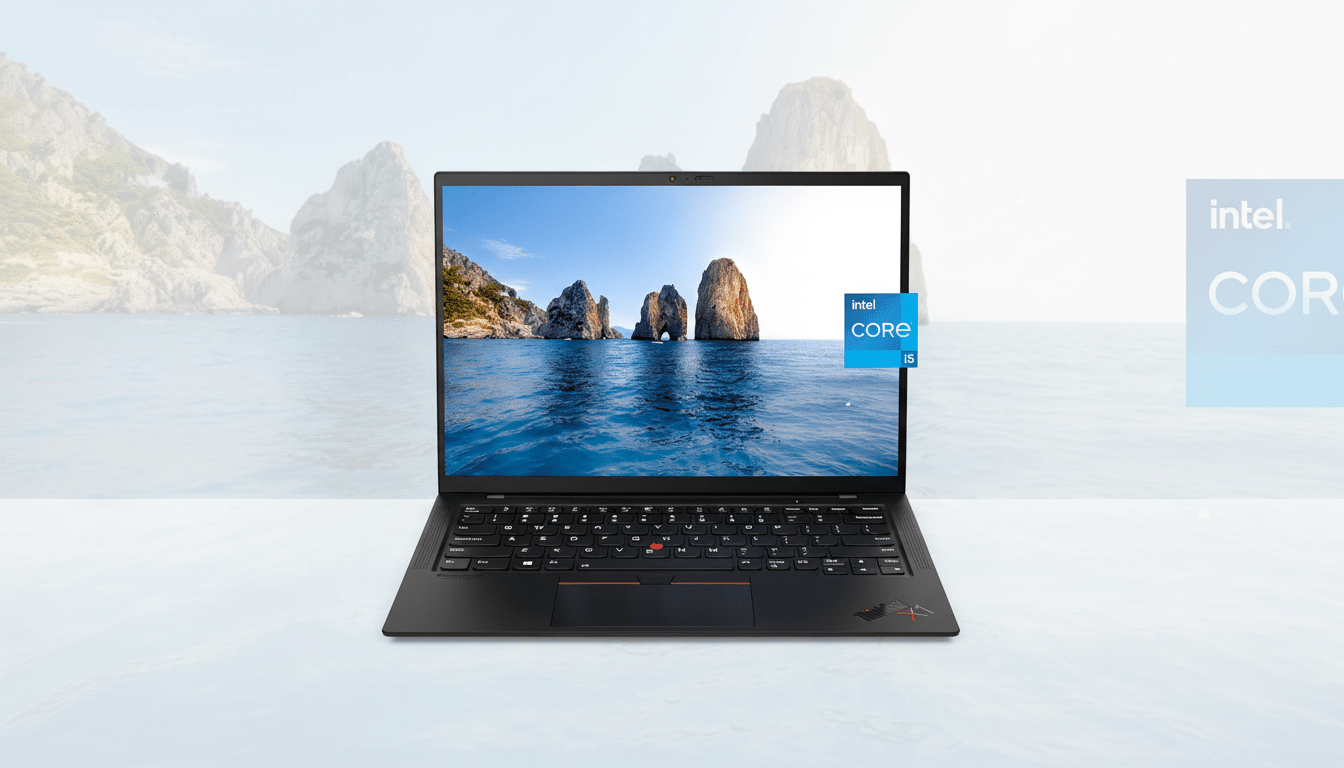
Best Big‑Screen Ultralight Asus Zenbook A16
A 16-inch laptop that weighs next to nothing (just shy of 2.65 pounds) is uncommon, and a 3K 120Hz OLED touchscreen with the latest Snapdragon X2 Elite platform is even rarer. First demos all displayed instant wake, snappy app launches and battery life at idle that suggests true all‑day endurance. For teams standardizing on ARM-based Windows, it’s the first large-screen model that doesn’t feel like a compromise.
Best Business 2‑in‑1 Lenovo ThinkBook Plus Gen 7 Auto Twist
This ain’t a gimmick — twist is how you get shit done in this here writing app. A motorized hinge tilts the top half between laptop and tablet modes, and you can push it with a voice command when your hands are full. A 10MP webcam with face tracking automatically adjusts the lid to keep you centered, transforming haphazard huddles into staged hybrid meetings. Lenovo is targeting June availability priced from around $1,649.
Best Comeback Dell XPS 14 and XPS 16 laptops
Dell resurrected the XPS line, and in a hush-hush manner addressed all of the pain points. Physical function keys are back, the haptic glass touchpad is now discreetly outlined so you can feel where it ends, and there are USB‑C ports that have been designed for serviceability. The redesign slims down the weight and thickness without feeling flimsy; lose any more of that rigid unibody vibe, though, and you risk alienating the genre’s hardcore audience. Some configurations are already shipping, with launch prices beginning at $2,049.99 for the 14 and $2,199.99 for the 16.
Best Enterprise Ultralight Asus ExpertBook Ultra
At an incredibly light 2.18 pounds and 13.9mm thin, this 14‑inch powerhouse lives up to its name, rivaling some of the thinnest consumer laptops yet it possesses the signature ThinkPad durability. An ordinary 3K tandem OLED with an anti‑glare coating keeps reflections in check under office lights, and a meaty “ExpertCool Pro” thermal solution — oversized fans and a wind‑tunnel flow path — is meant to retain Core Ultra X9 performance quietly. Pricing is T.B.A., but the spec mix screams “executive fleet.”
Wildest Idea Lenovo rollable laptop prototypes
The ThinkPad Rollable XD unrolls a business display vertically when you need it, while the Legion Pro Rollable rolls out for wider gaming immersion. Both are prototypes, but Lenovo has a history of eventually shipping shape‑shifters after a long hatching period. For developers, these designs suggest UI patterns that gracefully transition across aspect ratios — a time when your screen serves the task it’s presenting, not the other way around.
The thread that runs through all of these winners is purposeful innovation. Whether that’s serviceable internals to curb downtime, OLED panels adjusted for real work, or ARM silicon making fanless‑feeling efficiency possible at long last, the best laptops of CES 2026 weren’t just scrambling for a novelty headline — they were solving problems you actually have.