


TDM’s Neo executed one of the slickest switches on the show floor at CES 2026 — a deluxe plug-in pair of over-ear headphones that transform into an upright tabletop speaker with a twist.
It’s a simple gesture, but the execution feels purposeful and grown-up, transforming an intimate listening device into a room-sharing speaker without needing a second app or another tangle of wires.
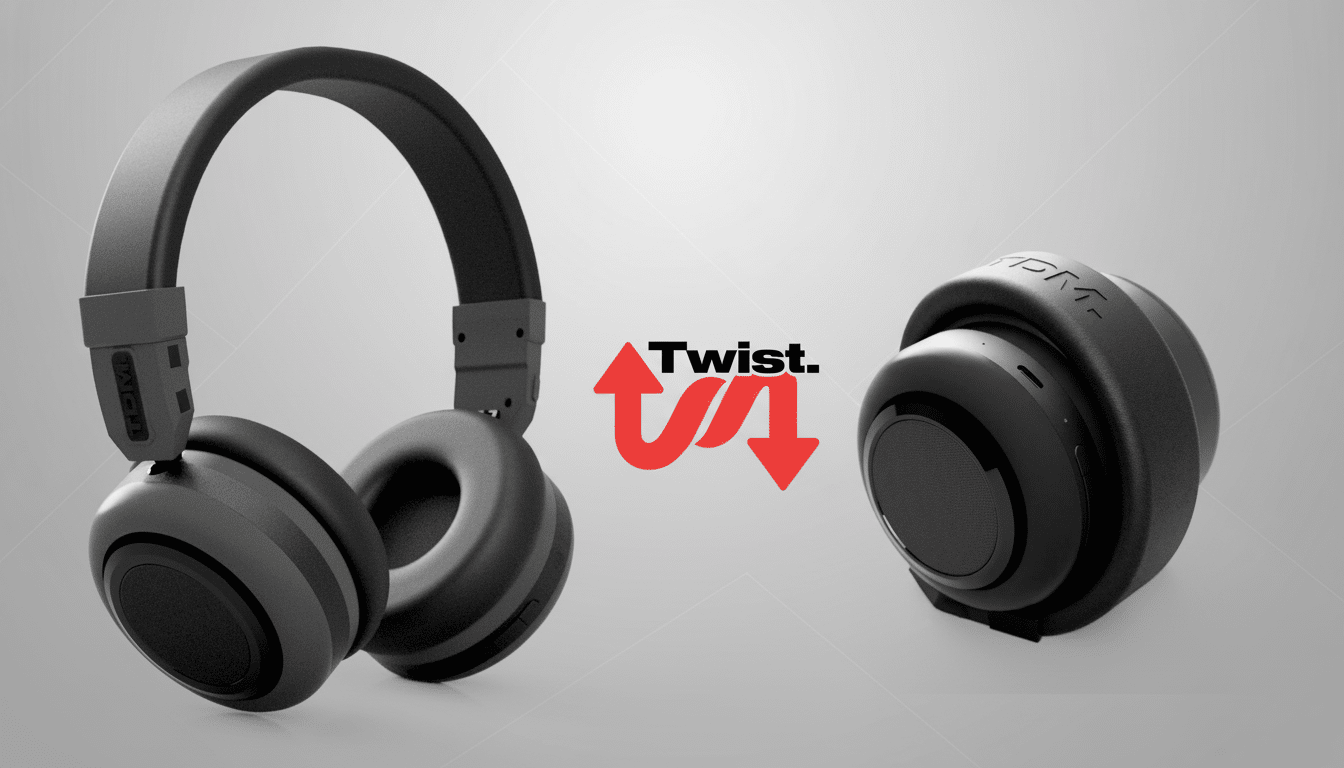
Seamless Transition From Private to Shared Sound
The Neo accomplishes that sleight with a twist-and-lock feature turning the earcups around and reinventing them as a tight, front-firing pack. As the cups click past each other, the system automatically switches profiles between a near-field headphone tuning and an external speaker mode. No hunting through menus; your audio continues playing and the device switches over in stride.
TDM also incorporated behavioral controls for the twist action. The Neo can be programmed to stop playback when it’s folded into speaker mode or to pick up again at a preset volume level — useful if you’re transforming in a quiet setting and don’t want to accidentally blast the room. The mechanism also serves as a storage position, reducing the footprint for a backpack or desk shelf.
Designs That Work for Both Identities and Modes
Two-for-one hardware usually looks nice in one mode and compromised in the other. Neo avoids that trap. As headphones, the silhouette is minimalism incarnate: clean lines and earcups that don’t shout about their party trick. And as a speaker, the fastened cups display a cohesive face that feels deliberate, not cobbled together — more polished speaker puck than clamshell.
Sound quality is equally considered. In headphone mode, the Neo sounded clean and missed nothing in terms of stereo separation that you’d expect from modern over-ear sets; as a speaker (like all Waves), it offered a surprising sense of presence for its size with tuning that was speech-biased over boom. Practically speaking, the result could be a living room, a hotel room, or an office where you can share a playlist or podcast without having to find another device.
A Battery Life That Is Set to Be the New Benchmark
Its battery life is currently unknown, but it’s supposed to offer over 200 hours of playback in headphone mode and up to a claimed 10 hours in speaker mode.
That would be a first number to hold up as a high-water mark for over-ears; most premium models today are still double-digit strong. The 10 hours claimed for speaker usage, on the other hand, is more average, albeit still a disadvantage compared with compact Bluetooth speakers, being less loud and drawing more power in the rush to fill a room.
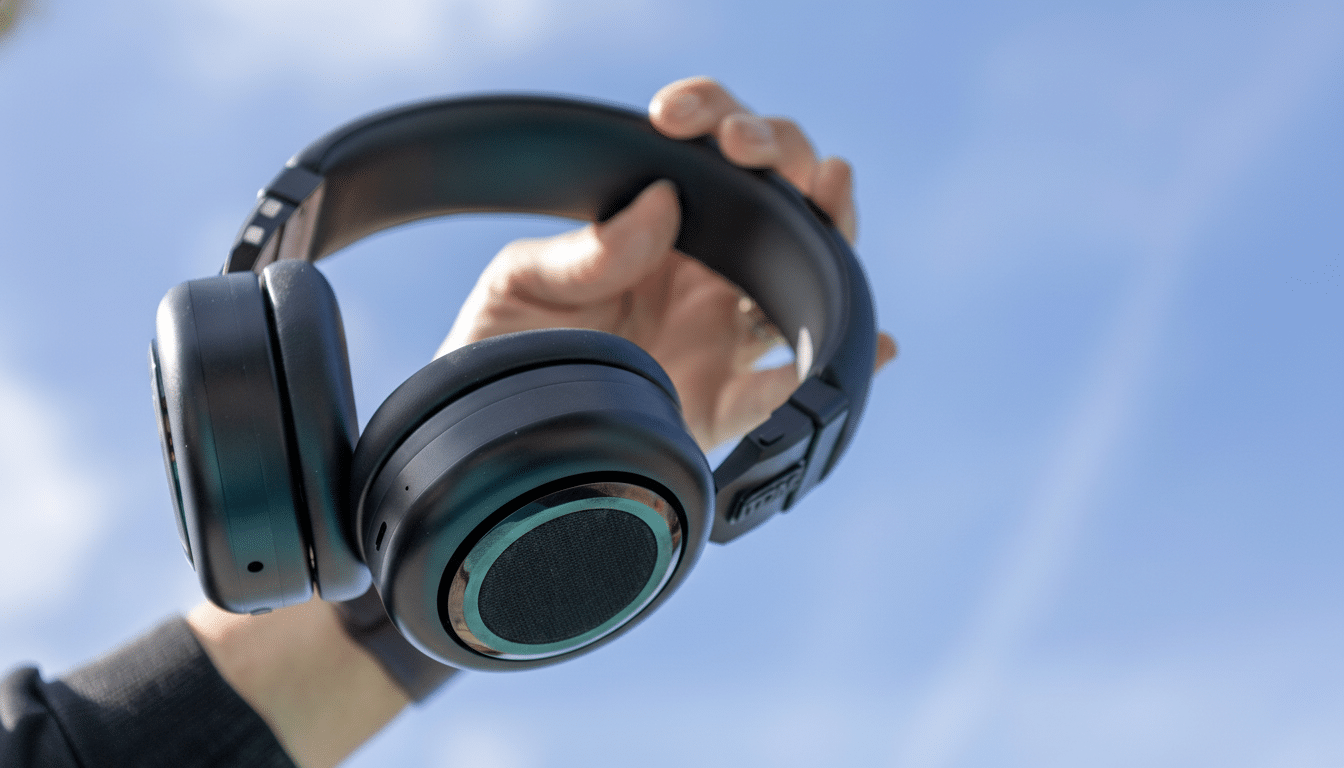
Assuming those numbers transfer to beyond the show floor, that would noticeably reduce charging anxiety. For commuters and travelers, that’s over 200 hours — basically weeks of listening. And when it’s time to go communal, Neo has all the runway you need for a long dinner, a movie night, or a few back-to-back calls.
When a Hybrid Makes the Most Sense for Everyday Use
The most obvious example is casual sharing — showing friends the new track you’re obsessed with, without feeling like you’re playing hot potato with a headset. But the format is also conducive to creators who are looking to flip from solo editing mode into a quick client playback. For students, it supports dorm music listening without investing in a separate speaker. And for business travelers, it’s one less device to tote around.
What they get right from a design POV is cognitive load. Rather than adding a second speaker or enabling a complicated “party mode,” Neo makes this hardware transition the UX. It jibes with broader trends in consumer audio; when consumers love a feature, it’s as likely to be about what it takes away as about what it adds.
How It Plays in the Market for Hybrid Audio Gear
Hybrid audio isn’t a new idea — neckband speakers and open-ear designs have attempted to bridge private and shared listening, for starters — but an actual pair of headphones that become speakers is relatively uncommon and can be clumsy. One standout thing about Neo’s twist-first approach is that it feels quick and purposeful. It comes at a time when hearables are dominating the wearables market: IDC again and again mentions in its figures that audio devices have been the most shipped category, indicating a demand for reasons to purchase beyond noise canceling and codec checklists.
The Bluetooth SIG and others have also cited advances in wireless audio technology, from better power management to smarter switching. Neo rides that wave with a mechanical interface that enhances (rather than complicates) the wireless experience.
Price and Availability for TDM Neo Hybrid Headphones
TDM says the Neo will be available later this month for $249 in black or white. That places it squarely in the mid-to-premium range for over-ears, and you also get a little Bluetooth speaker included. For people who listen across solo and social divides more or less all day long, it’s a smart consolidation play — and an early candidate to be one of the least stupid ideas at CES 2026.