


CES has wrapped with a clear message for the year ahead: computing is getting smarter at the edge, cars are becoming software-first appliances, and the home is evolving into an energy-aware network. The show floor shimmered with practical upgrades rather than moonshots, signaling a year where hard engineering meets everyday utility.
What follows is a concise readout of the technologies poised to shape 2026, backed by analyst forecasts, industry standards, and what was actually being demoed in Las Vegas suites and booths.
- AI Goes On‑Device as Generative Models Mature
- Spatial And Smart Glasses Find Their Lane
- The Software‑Defined Car Arrives with Broader Features
- Homes Get Matter‑Native And Energy‑Smart
- Connectivity Leaps With Wi‑Fi 7 And 5G Advanced
- Health Tech Seeks Clinical Cred with Validated Metrics
- Sustainability Gets Measured Not Marketed
- Gaming And PCs Recenter Around Efficiency
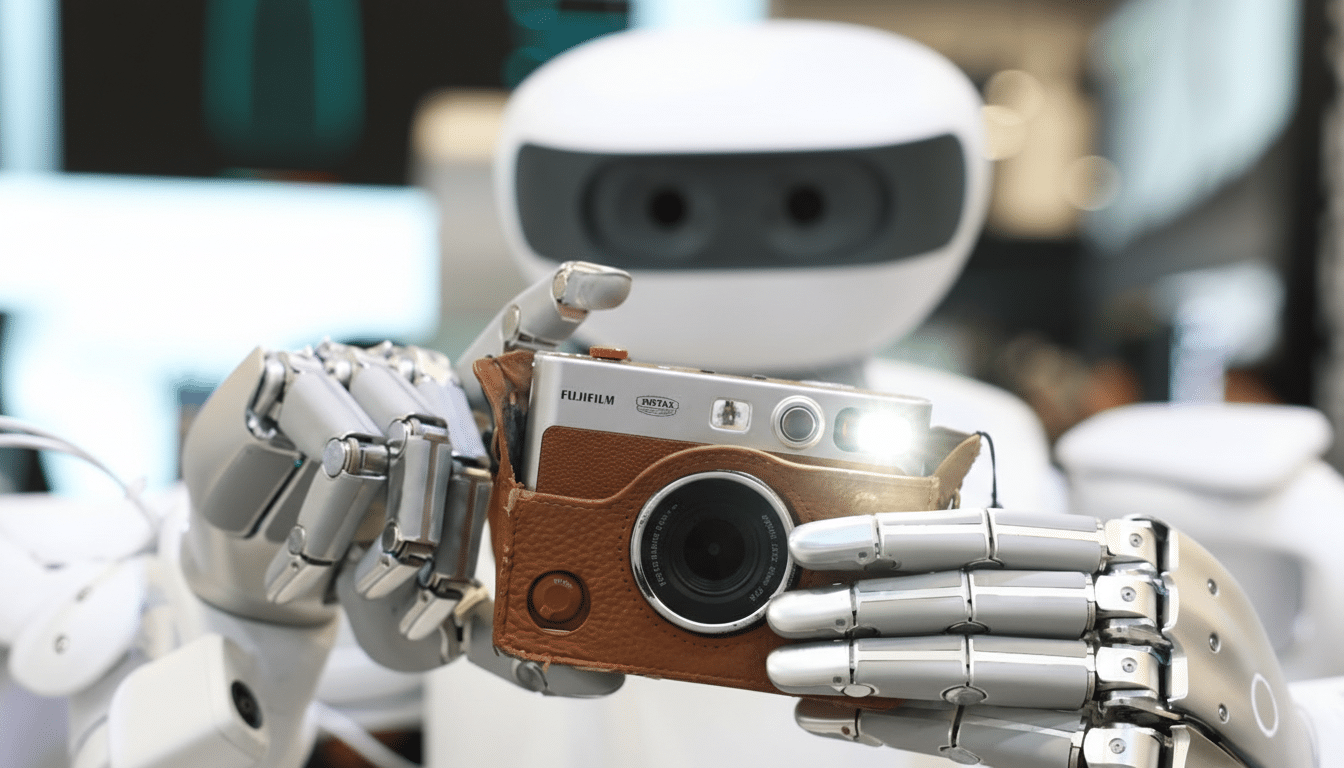
AI Goes On‑Device as Generative Models Mature
The biggest shift is generative AI moving from cloud dependency to on-device inference. Laptops, phones, and even routers now tout neural processing units that keep data local, cut latency, and reduce per‑query cloud costs. IDC expects AI‑capable PCs to dominate shipments before decade’s end, and chipmakers are racing past the tens‑of‑TOPS thresholds that make multimodal assistants viable offline.
Why it matters: local AI enables real‑time translation, smarter photo/video editing, and context‑aware copilots without constant connectivity. It also aligns with emerging governance. NIST’s AI Risk Management Framework and the Coalition for Content Provenance and Authenticity (C2PA) are steering vendors toward safer, watermark‑friendly models that can run at the edge.
Spatial And Smart Glasses Find Their Lane
Smart eyewear is shedding its “prototype” feel. Lightweight frames with microLED waveguides and better beam combiners are arriving with day‑long battery targets, prescription support, and voice or subtle gesture input. The pitch isn’t full VR; it’s glanceable notifications, translation, and camera‑assisted memory, plus enterprise workflows like remote assistance.
Shipments remain modest compared with phones, but the trajectory is steadier. Analysts at CCS Insight have long argued that comfort and utility, not spectacle, determine adoption; 2026 looks like the year that lesson takes hold.
The Software‑Defined Car Arrives with Broader Features
Automakers showcased platforms that treat vehicles like updatable computers. Expect broader Level 2+ driver assistance, richer in‑car app ecosystems, and frequent OTA feature drops. Crucially, charging is getting simpler. With the SAE’s J3400 standardization of the North American charging connector, more 2026 models are shipping with native compatibility, reducing dongle fatigue.
The IEA notes EV sales have been climbing toward 1 in 5 new cars globally, and that momentum pushes energy features like bidirectional charging from pilot to product. Home energy management systems are starting to treat an EV as the largest battery in the house—able to power essentials during outages or shave utility peaks.
Homes Get Matter‑Native And Energy‑Smart
Smart home fragmentation is easing as the Matter standard matures under the Connectivity Standards Alliance. New devices—sensors, appliances, locks, HVAC—speak a shared language, and Thread mesh networks make them resilient without babysitting Wi‑Fi. The newest profiles emphasize energy data, letting thermostats, water heaters, and EV chargers coordinate to cut bills and carbon.
This dovetails with utility programs rewarding flexible demand. The U.S. Department of Energy has highlighted that household electrification amplifies savings when devices can respond to time‑of‑use pricing; CES showed vendors now designing for that world out of the box.
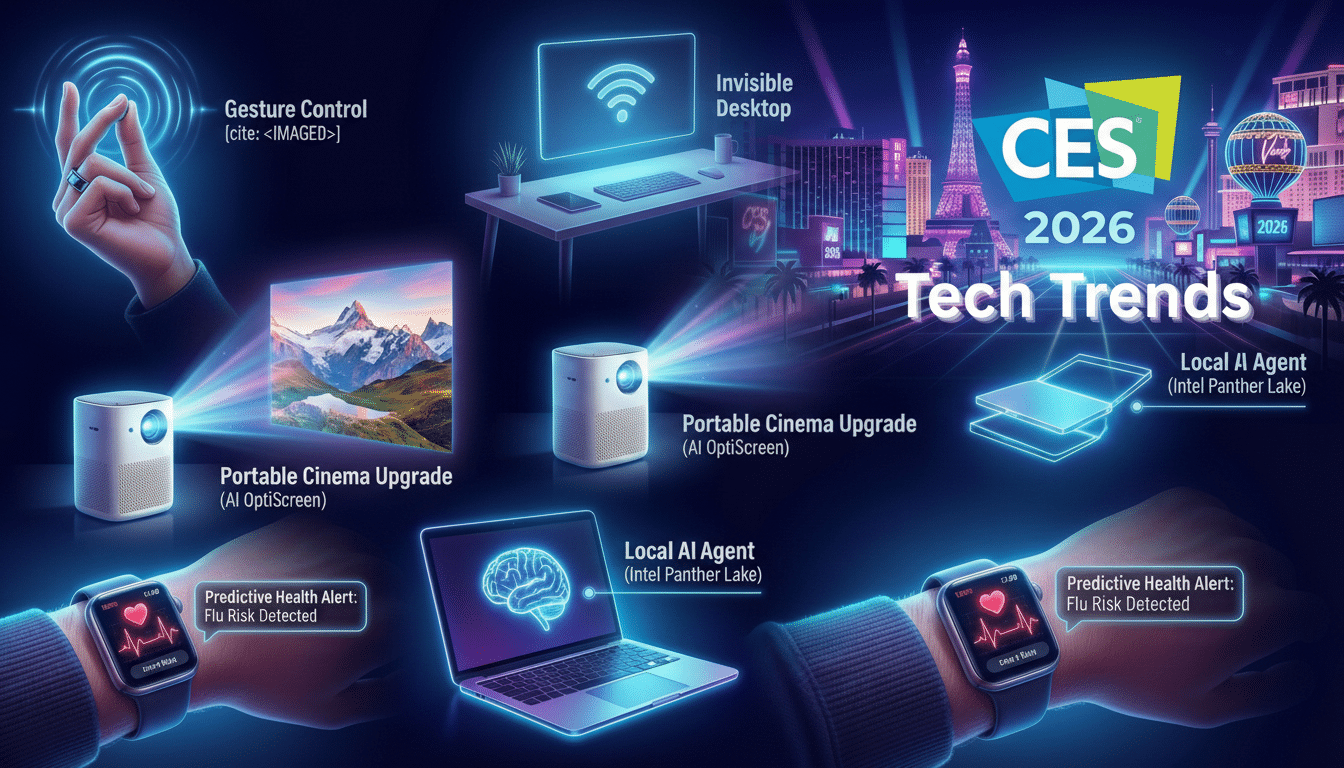
Connectivity Leaps With Wi‑Fi 7 And 5G Advanced
Routers and client devices supporting Wi‑Fi 7 (802.11be) are moving into the mainstream, promising fatter channels, multi‑link operation, and dramatically lower latency for AR, gaming, and uplink‑heavy AI tasks. The Wi‑Fi Alliance began certification last year, and the ecosystem is filling in quickly.
On the cellular side, 3GPP Release 18 ushers in 5G Advanced features like better positioning, power efficiency, and RedCap for low‑cost IoT. Satellite‑to‑phone messaging based on non‑terrestrial networks is expanding beyond SOS use cases, turning dead zones into intermittent‑connectivity zones—a quiet but meaningful change for safety and logistics.
Health Tech Seeks Clinical Cred with Validated Metrics
Wearables are shifting from coaching to screening. Expect more devices with FDA‑cleared metrics—ECG, irregular rhythm notifications, and medically useful sleep staging—plus cuffless blood pressure approaches that court validation from groups like AAMI. Aging‑in‑place remains a priority, with fall detection and ambient sensors integrated into lighting and Wi‑Fi for unobtrusive monitoring.
As datasets grow, privacy is under the microscope. The FTC has warned repeatedly about “consent washing,” and the smartest products at CES leaned into local processing and granular data controls to earn trust.
Sustainability Gets Measured Not Marketed
Green claims now come with receipts. Vendors referenced independent labels like EPEAT and TCO Certified, recycled content with third‑party audits, and actual repairability scores. That’s overdue: the United Nations’ Global E‑waste Monitor reported roughly 62 million tonnes of e‑waste in 2022, with recovery lagging. Right‑to‑repair momentum is pushing swappable batteries and longer software support windows.
Beyond materials, the energy footprint of AI is in focus. Cloud providers tout cleaner power purchase agreements, while device makers argue that on‑device inference can slash the energy per request. The net impact depends on usage patterns—an area to watch as AI features become default.
Gaming And PCs Recenter Around Efficiency
Handheld gaming PCs and cloud‑first services continue to blur console boundaries, but the surprise theme is restraint: better thermals, smarter frame pacing, and AI‑assisted upscaling to hit smooth performance without ballooning watts. On laptops, ARM‑based designs and x86 rivals leapfrog each other on battery life while NPUs accelerate media and creator tools quietly in the background.
It adds up to a practical CES. Instead of chasing spectacle, 2026’s defining tech trends prioritize speed, battery life, interoperability, and credible safeguards. That’s not less exciting—it’s the kind of progress that sticks.