


CES is still the most dependable crystal ball in tech, and this year’s floor buzzed with prototypes that strain both engineering and credulity. Of thousands of exhibitors across millions of square feet, only a few vistas offered the mix of true utility and real shock — from brain-sensing headsets to a robot that actually scrubs your carpet.
An AI Headset That Can Read Your Brain Waves
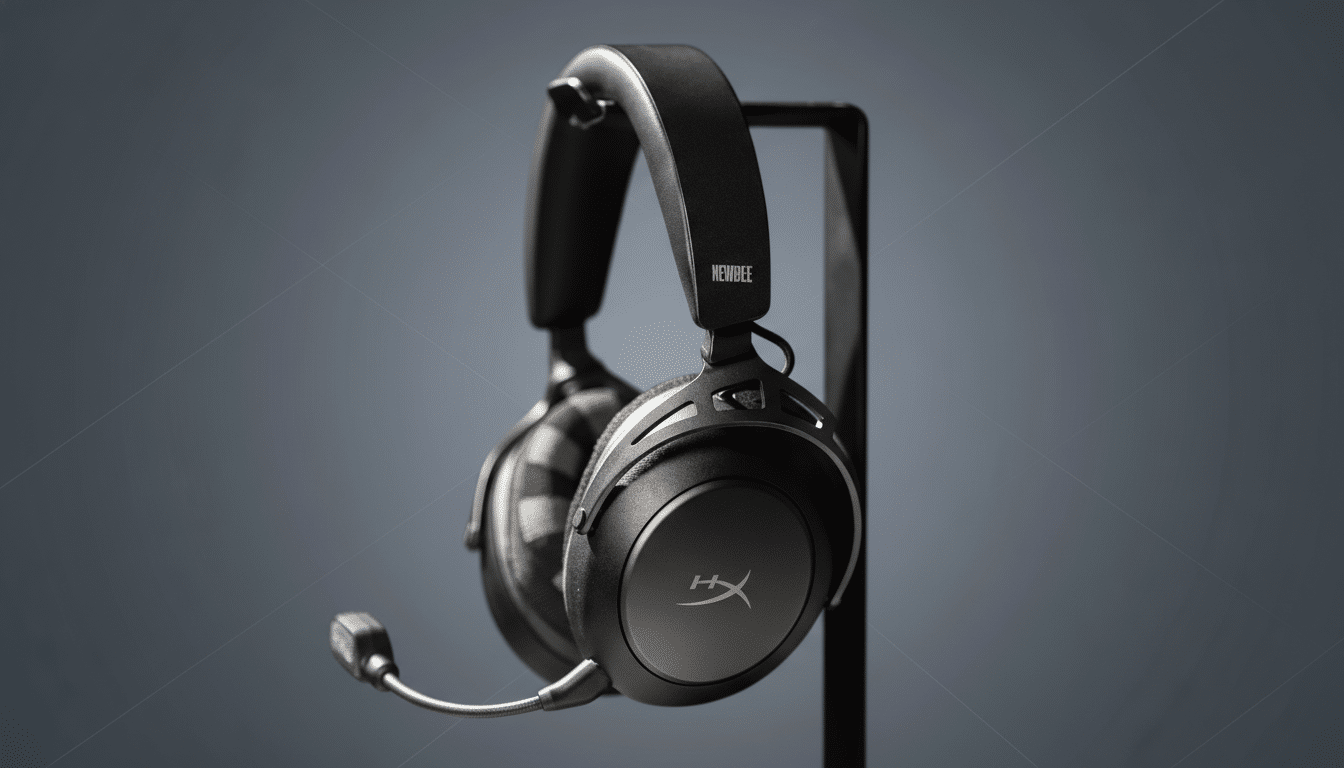
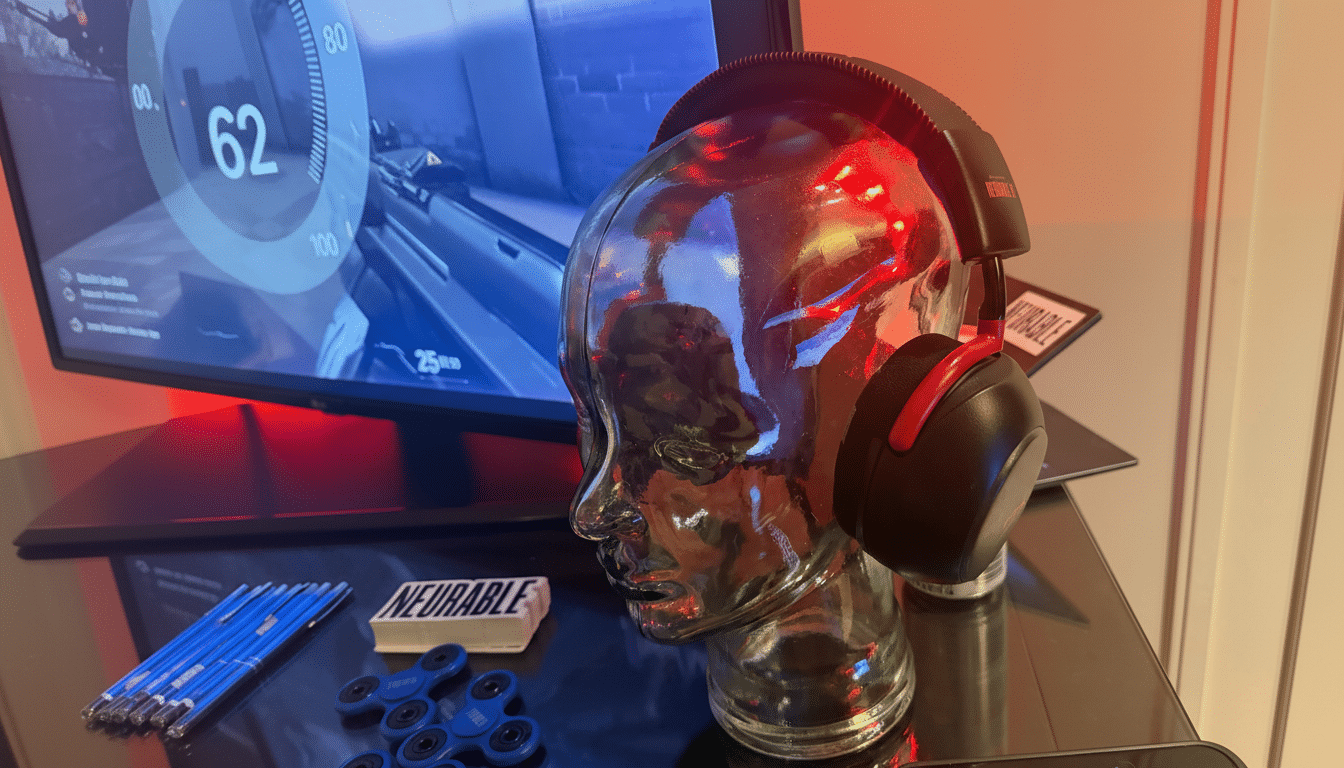
A gaming headset created by HyperX in partnership with neurotech company Neurable takes EEG signals with embedded fabric electrodes and coaches focus during real-time gameplay via software. Consumer-grade EEG isn’t new (OpenBCI and Muse have helped pave the way), but for sensors to be built into common gaming gear could help foster brain-computer interfaces as a normal thing. As experts at IEEE point out, attention metrics based on EEG can be pretty noisy; the promise here is AI calibration across thousands of recordings to make the signal useful. Privacy is equally important — biometric data is sensitive under GDPR — so clear rules and on-device processing will be key for adoption.
- An AI Headset That Can Read Your Brain Waves
- Robot Vacuum That Really Scrubs Carpet
- Lenovo’s Rollable ThinkPad Expands Upward
- Pocket Lab for Food Allergens in Everyday Dining
- Wearable Airbags for Hips to Prevent Fractures
- ADATA’s Smart-Cooling Open-Air PC Case for Builders
- Sony Honda Afeela SUV EV Joins the Growing Concept Lineup
- Keychron Keyboards Built in Concrete and Solid Marble
- Asus Teases a Wi‑Fi 8 Gaming Router with Bold New Design
- Why These Prototypes Matter for Everyday Technology
Robot Vacuum That Really Scrubs Carpet
The Robotin R2 Pro does not just suck up dust and dirt like other vacuums; it also sprays, shampoos, and dries your floors before changing to suction mode to return your house or apartment to its normal vacuuming and mopping routine.
It’s not as fast as a regular bot — about three hours for 300 to 400 square feet — but this is deep cleaning. Given how frequently unspectacular traditional robot vacuums expect you to have a separate upright for stains, this is the first honest-to-goodness attempt at combining both jobs. Modular accessories (the company teased a pickup arm) suggest this could be a bot platform, not a bot with one purpose.
Lenovo’s Rollable ThinkPad Expands Upward
Lenovo’s ThinkPad Rollable XD prototype unrolls a 14-inch panel to as large as 17 inches on the diagonal, expanding the screen up for code, timelines, or documents. A wraparound strip on the lid displays glanceable information — notifications, battery life, the weather — without popping open the laptop entirely. Rollable displays are infamously difficult (panel durability and power management are the choke points), but Lenovo has a history of taking concept PCs to shipping product, so this is one to watch for developers and data pros that live in vertical scroll.
Pocket Lab for Food Allergens in Everyday Dining
Allergen Alert is a battery-operated tester that checks a small food sample and identifies gluten plus nine of the most common allergens in about two minutes at levels as low as parts per million. For perspective, FDA guidelines permit “gluten-free” labels at 20 ppm. As with previous similar attempts, such as the Nima Sensor, this one comes with an upfront device cost and a subscription for disposable tubes covering many allergens. In the U.S., an estimated 32 million people suffer from allergies according to FARE, so firm accuracy and rigorous test data analysis will determine whether this has a chance of becoming a daily carry for the at-risk dining public.
Wearable Airbags for Hips to Prevent Fractures
The Smart Hip Guardian buckles on like a belt and inflates airbags around the hips in about 0.2 seconds before impact when a fall is detected. The CDC reports that 300,000 hip fractures occur in the U.S. each year with high loss of independence and one-year mortality. Previous entrants like Helite’s Hip’Air have demonstrated that transferring protection from slow passive padding to snap-deploy airbags can reduce impact forces sharply in lab tests. This version is functional: It lasts four days on a charge and features a secure buckle, but the cornerstone questions are whether equal comfort can be achieved without so many false positives — and what replacement cartridge costs will look like.
ADATA’s Smart-Cooling Open-Air PC Case for Builders
ADATA’s Dock chassis is an open-air, full-ATX case with a slanted wooden faceplate that pops off in seconds — catnip for builders and testers. The in-process “dynamic breathing” system utilizes software and XPG smart fans to adjust airflow per component (as opposed to setting one curve for the whole case). In a world where today’s high-end GPUs and CPUs increasingly push triple-digit wattage, per-zone control can cut thermals and noise. Room for two 360mm radiators, an optional vertical LCD accessory, and a headphone hanger ensure the Dock is directly at home in enthusiast builds.
Sony Honda Afeela SUV EV Joins the Growing Concept Lineup
Following up on its collaboration with Honda to design the Afeela sedan, Sony has a surprise in store: a prototype SUV that shares an almost puritanically minimalist cockpit and screen-forward interface with the Afeela. The sedan has been marketed as a software-first EV, with Qualcomm’s Snapdragon Digital Chassis and Unreal Engine visuals; we’d expect that the SUV would inherit that software stack, too. If the sedan sells for $89,900, the SUV could come in higher. The real news is continuity: A unified interior UX across body styles suggests Sony and Honda are investing in a platform, not a one-and-done.
Keychron Keyboards Built in Concrete and Solid Marble
Keychron’s concrete and solid-marble keyboard prototypes probably sound like a stunt until you type on them. Mass is a friend of acoustics — heavy cases deaden ping and elevate the experience of every key press. Hot-swappable switches make them serviceable, and natural stone patterns ensure no two are identical. It’s a niche play, sure, but the mechanical keyboard community is always striving for sound and feel improvements via foam mods and brass weights; stone is just taking it to its logical extreme — not that anyone else has.
Asus Teases a Wi‑Fi 8 Gaming Router with Bold New Design
Through its ROG brand, Asus showed off an early Wi‑Fi 8 concept router that looks like a D20 die. While the next-gen Wi‑Fi won’t mean a sudden jump in raw top speeds, the Wi‑Fi Alliance’s roadmap has lower latency and more multi-device performance (read: better connections on your phone, smartwatch, or IoT gadget) targeted through moves like evolved multi-link operation. It matters because homes are increasingly being decked out with connected lights, cameras, and consoles; Deloitte has tracked U.S. households having more than 20 connected devices, a figure it says is still rising. Design aside, customers will care if jitter and queuing are finally alleviated during the busiest hours of the day.
Why These Prototypes Matter for Everyday Technology
Prototypes suggest direction, not guarantees. But as a collective, these nine point toward an almost present in which interfaces read us, robots sweat the messier stuff, PCs breathe with dynamism, and safety tech gets wearable. The winners will be those teams that marry bold ideas with transparent data policies, strong validation, and thoughtful price trade-offs. If even a third of these ideas ship with anything resembling how they looked to us, daily tech is about to get way less dull.