


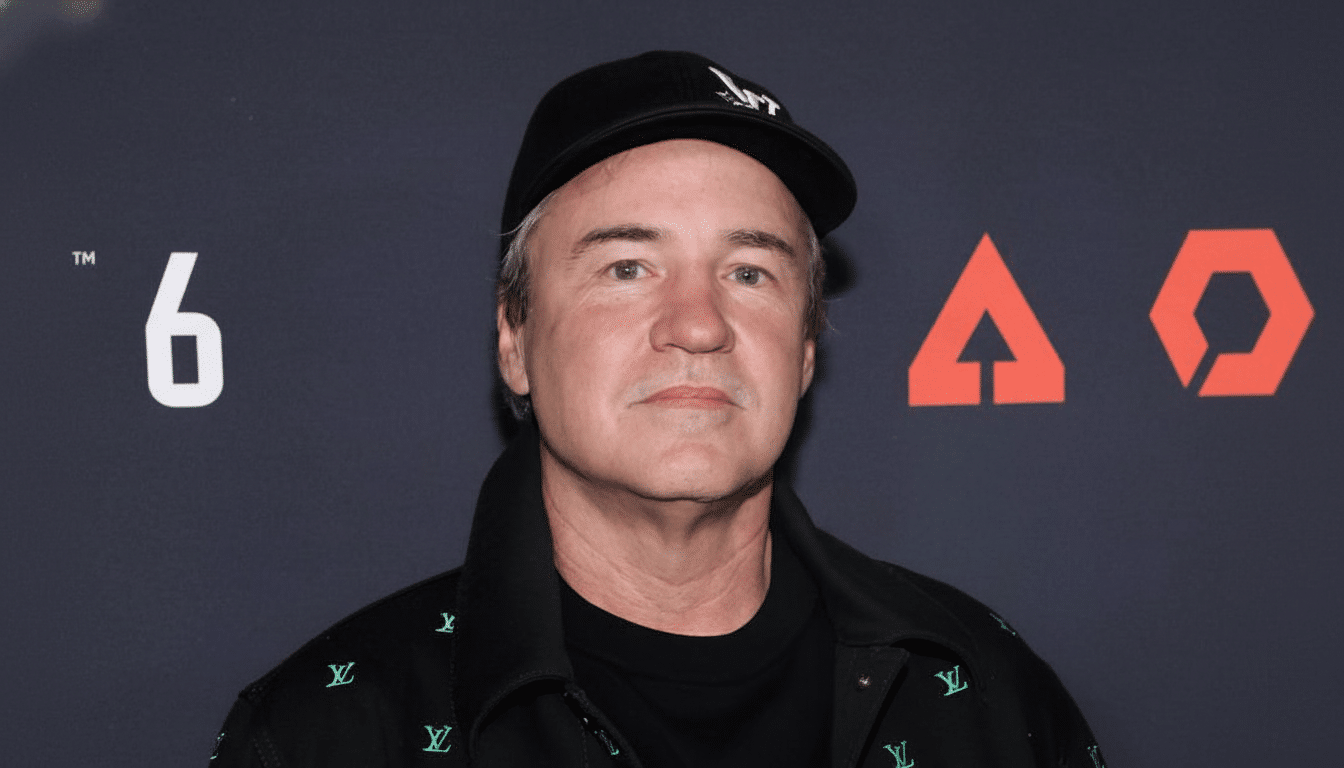
Vince Zampella, the game designer who co-created Call of Duty and was at the vanguard of a wave that would redefine modern shooters, has died from injuries sustained in an automobile wreck in Southern California. Another occupant of the car was also killed. Authorities had no new information about the case, which happened on the Angeles Crest Highway north of Los Angeles.
Most recently, Zampella has been the head of Electronic Arts’ Battlefield franchise while still leading Respawn Entertainment, which he co-founded. EA said in a statement to TMZ that the loss is “unimaginable” and attributed Zampella’s leadership and creative vision as having influenced how millions commune through games.
A Titanic force in the world of first-person shooters
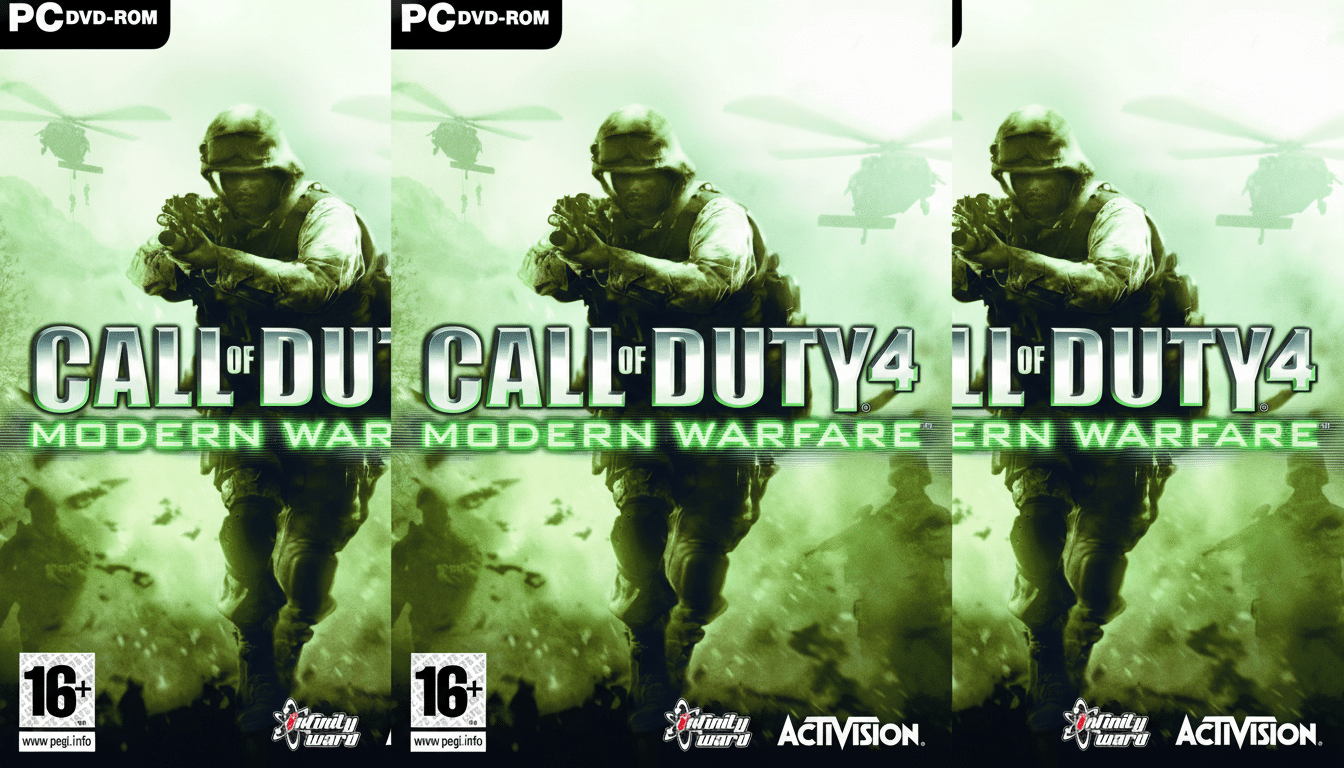
Zampella’s DNA runs through every modern first-person shooter. He and Grant Collier and Jason West founded Infinity Ward in 2002, released Call of Duty the next year and raised the bar for shot-and-shell storytelling onscreen with tight gunplay. The Guardian has consistently celebrated his part in the franchise’s high-watermark installments, particularly Call of Duty 4: Modern Warfare (2007) and Modern Warfare 2 (2009), games that shattered console multiplayer expectations with progression systems, perks, and compactly designed maps.
The Call of Duty saga now encompasses nearly two dozen titles and, according to the industry estimates cited by Activision and market researchers, has sold something like half a billion copies. It redefined premium shooters as a business, and it laid the groundwork for annualized releases, esports ecosystems, and live-service models that would reverberate throughout the industry.
From Infinity Ward to Respawn: a pivotal career transition
When Activision bought out Infinity Ward entirely, the pair left in a widely publicized blow-up over unpaid bonuses and royalties. The precise sum is unclear from court filings and industry reporting, but the settled amount is widely described as being in the tens of millions, drawing to a close one of gaming’s most closely watched legal fights.
In 2010, Zampella co-founded Respawn Entertainment and it was clear that not only scale, but innovation was his mark. And Respawn’s Titanfall, with its wall-running, nimble movement, and piloted mechs, emphasized momentum and tactical options. Though Titanfall never sold like Call of Duty’s titan-leap numbers, its movement made an impact on a generation of shooters.
Respawn’s no-heads-up battle royale Apex Legends vaulted into the mainstream gamer zeitgeist within days of its launch, maintaining huge player numbers and, according to EA’s earnings calls, pulling down billions in lifetime net bookings.
Respawn also had story-driven successes with Star Wars Jedi: Fallen Order and its sequel Star Wars Jedi: Survivor, with EA stating that Fallen Order has reached more than 20 million players across all platforms.
Stewardship of Battlefield and a renewed creative direction
In recent years, Zampella’s duties widened as EA tasked him with steadying and steering the Battlefield franchise along with studios such as DICE and Ripple Effect. His remit was more than just pinning down trouble spots — it included clarifying the creative direction, a commitment to player-first systems design, and consistency with live-service updates as efforts to course-correct the series back to large-scale, sandbox-focused strengths away from rockier days.
Industry peers often praised Zampella for an unusual combination of production rigor and player empathy. He was for tight iteration cycles, data-informed decisions, and urgings that we only ship what a team would be able to support long-term — a philosophy Blevins thinks helped Respawn dodge some of the pitfalls that have plagued other large-scale live-service efforts.
Crash details and industry response to Zampella’s passing
Zampella and a passenger died in an Angeles Crest Highway single-vehicle wreck, authorities said. An investigation is ongoing. EA called him a friend, leader, and visionary whose work inspired both players and developers, sentiments similarly expressed across social media by past colleagues at Infinity Ward, fellow Respawn developers, DICE team members, as well as streamers who made their careers streaming his games.
Tributes made much of the games but also Zampella’s mentorship. Numerous former colleagues have praised his stewardship of creative culture, empowering leads to make decisions and demanding the polish that players would feel minute to minute — be it sprinting around Shipment, wall-running along Angel City, or parrying a Purge Trooper on Coruscant.
An enduring legacy that shaped modern shooter design
Zampella’s career traces the evolution of mainstream shooters: from boxed releases and LAN parties to cross-platform live services featuring seasonal economies. The connective tissue was network design that honored audiences’ time and players’ skill, delivered with spectacle that turned these games into appointment entertainment.
The franchises he co-created — Call of Duty, Titanfall, Apex Legends, Battlefield, and Star Wars Jedi — collectively represent hundreds of millions of players and billions in revenue, yet the statistics only tell a fraction of the story. His legacy, for an entire generation of developers and fans at least, is the feel of a perfect recoil pattern, the rhythm of a slide-cancel into a clutch win, and those cinematic beats that turned shooters into something more than mere scoreboards. That lineage will shape the way games are made — and why they matter — for a good long while.