


When you’re tackling a project—whether it’s a weekend DIY job or daily trade work, choosing the right drill bits is just as important as choosing the right power drill. Australians often underestimate how much time, effort and money they can save simply by buying the proper drill bits for their task.
With so many materials, coatings and standards to consider, navigating the world of drill bits can feel overwhelming. This guide breaks it down so you know exactly what to look for when you buy drill bits in Australia.
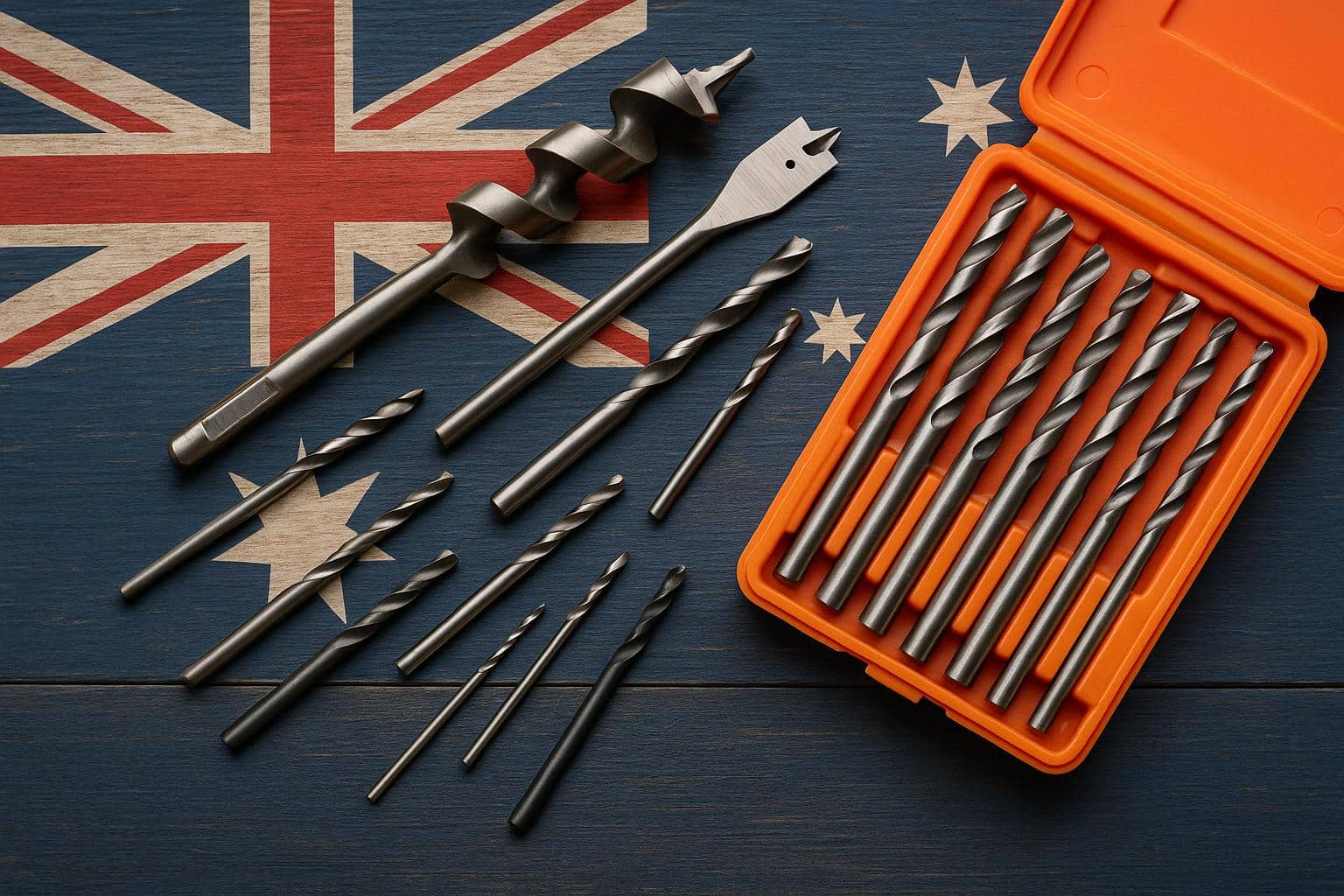
Know Your Materials
The first step in choosing the right drill bit is understanding the material you’ll be drilling into. In Australia, the most common materials include timber, metal, brick, concrete and plastic—each needing specific bit types.
- Timber: Standard high-speed steel (HSS) bits or brad-point bits work well. Brad-point bits offer cleaner entry points and reduced splintering, ideal for cabinetry or precision woodworking.
- Metal: Look for cobalt drill bits or titanium-coated HSS bits. These provide durability and heat resistance, perfect for drilling steel, aluminium and other tough metals.
- Masonry (Brick, Block, Concrete): Masonry bits with a carbide tip are essential. These are commonly used with hammer drills to penetrate hard surfaces found in Australian homes and commercial buildings.
- Plastic: A standard HSS bit works, but drilling slowly helps prevent melting.
Choosing a bit designed for your material not only improves results but also extends the life of your tools.
Understand Australian Sizing and Standards
Drill bit sizing in Australia generally follows metric measurements, although imperial sizes are still available for specialty work or imported plans. For most DIY projects, metric sizing—ranging from 1mm to 13mm in standard sets—will cover your needs.
Tradies working in electrical, plumbing or metal fabrication may require specialised sizes or step drill bits. Always check that the bit meets Australian quality standards to ensure consistent performance and safety.
Coatings and Finishes Matter
Many buyers overlook coatings, yet they play a big role in friction reduction and long-term durability.
- Black oxide: Affordable, corrosion-resistant and ideal for general-purpose drilling.
- Titanium-nitride (TiN): Increases hardness and heat resistance, making them perfect for metal drilling.
- Cobalt: Not just a coating—these bits contain cobalt throughout, offering unmatched heat tolerance for heavy-duty metalwork.
If you drill frequently or work with hard materials, investing in coated bits will pay off quickly.
Choose the Right Shank Type
Your drill’s chuck determines what shank type you need:
- Round shank: Standard and suitable for most drills.
- Hex shank: Offers better grip, making it ideal for impact drivers.
- SDS shank: Used with rotary hammer drills for heavy-duty masonry work.
Make sure the shank type is compatible with your drill to avoid slippage and premature wear.
Consider Buying in Sets vs Individual Bits
Buying a drill bit set is cost-effective for general users and DIYers. A quality set gives you a variety of sizes and types, all neatly organised. However, tradespeople or metalworkers often prefer purchasing individual high-performance bits tailored to each job.
If you frequently snap small bits or burn out metal bits, stocking up on replacements rather than whole sets can save money.
Compare Prices—but Don’t Buy the Cheapest
Australian hardware stores and online retailers often run promotions on drill bits, but cheaper sets usually wear out faster or break under pressure. For a tool you’ll use repeatedly, it’s worth investing in a reputable brand known for durability and precision.
Instead of focusing on price alone, compare:
- Material quality
- Coating type
- Warranty
- Brand reputation
- Customer reviews
In many cases, premium bits last several times longer than budget options, making them better value in the long run.
Where Australians Can Buy Quality Drill Bits
You can source drill bits from local hardware stores, trade supply shops and online marketplaces. Shopping online often gives you a wider selection, while local stores offer hands-on advice. Whichever option you choose, ensure the retailer provides clear product specifications and supports returns for faulty items.
Final Thoughts
Buying drill bits in Australia doesn’t have to be complicated, but understanding the basics, materials, coatings, sizing and quality will dramatically improve your drilling results. Choosing the right bit not only protects your tools but also makes every project faster, cleaner and more accurate. Whether you’re a first-time DIYer or a seasoned tradie, investing in the correct drill bits will make all the difference.