


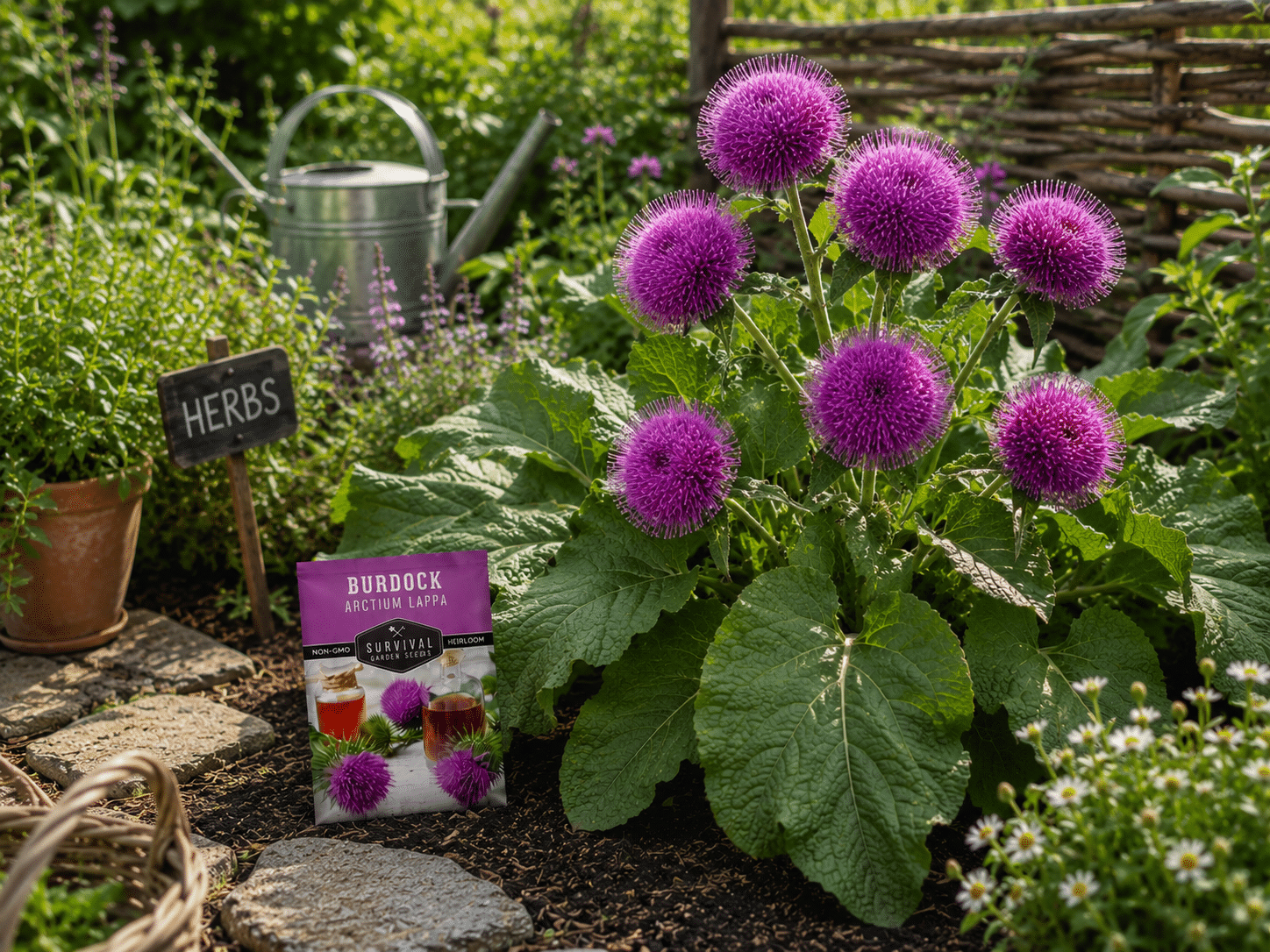
Burdock may not be the first crop that comes to mind when planning a garden, but it has a long history of cultivation and practical use. Known for its deep roots and hardy nature, burdock is one of those plants that quietly earns its place in a productive garden.
Many gardeners researching burdock seeds are often surprised by how versatile and easy this crop can be to grow. While it is less common than tomatoes or cucumbers, burdock offers unique benefits that make it worth considering for both new and experienced gardeners.
What Makes Burdock Different from Other Garden Crops?
Every garden contains a mix of familiar favorites and lesser-known plants. Burdock falls into the second category, but it offers several advantages that set it apart.
A Plant with Deep Roots
One of the most recognizable features of burdock is its long taproot. A taproot is a thick central root that grows deep into the ground.
This growth habit allows burdock to reach moisture and nutrients below the surface. As a result, the plant can remain productive even when conditions are less than ideal.
A Strong and Hardy Grower
Burdock has earned a reputation for being tough. Once established, it can tolerate a range of growing conditions and generally requires less attention than many garden vegetables.
This is helpful for gardeners who want reliable crops without constantly monitoring them.
An Interesting Addition to the Garden
Growing the same vegetables every year can become repetitive. Burdock adds variety and introduces a plant that many people have never tried growing before.
For gardeners who enjoy learning new skills, burdock offers a rewarding challenge without being difficult to manage.
How to Start Growing Burdock Seeds
Like most successful crops, burdock begins with proper planning. Fortunately, the process is straightforward.
Choosing the Best Growing Location
Burdock grows best in full sun, although it can tolerate some partial shade.
The most important factor is soil depth. Because the roots grow deep, the plant performs best in loose soil that allows roots to develop without obstruction.
Preparing Soil for Root Development
Before planting burdock seeds, loosen the soil thoroughly. Remove large rocks and break up compacted areas.
This preparation gives roots the space they need to grow long and straight.
Planting Burdock Seeds
Burdock seeds are usually sown directly into the garden. Plant them according to the recommended depth and keep the soil lightly moist during germination.
Once seedlings emerge, thinning may be necessary to provide adequate space between plants.
Caring for Burdock Throughout the Season
One reason many gardeners enjoy burdock is that it does not demand constant attention.
Watering Consistently
While burdock is relatively hardy, regular watering helps support healthy growth.
Deep watering encourages roots to continue growing downward, which is especially important for root crops.
Managing Competition from Weeds
Young plants benefit from reduced competition. Removing weeds around seedlings allows them to establish themselves more effectively.
Once burdock matures, its large leaves often help shade the soil and naturally reduce weed growth.
Monitoring Growth Progress
Burdock generally grows steadily throughout the season. Periodic checks help ensure the plants remain healthy and free from unexpected issues.
Fortunately, major problems are relatively uncommon.
Understanding the Burdock Growth Cycle
Knowing how burdock develops helps gardeners make better decisions throughout the season.
Early Growth Stages
The first stage focuses on leaf development and root establishment.
At this point, consistent moisture and good soil conditions support healthy growth.
Mid-Season Development
As the season progresses, the plant directs more energy into root production.
This stage is where proper spacing and soil quality begin to pay off.
Maturity and Harvest Timing
The timing of harvest depends on your goals and growing conditions.
Many gardeners harvest roots during the first year before they become overly woody.
Benefits of Growing Burdock in a Home Garden
Burdock offers several advantages that make it a practical addition to many growing spaces.
Supports Garden Diversity
Growing a wider variety of crops creates a more resilient garden.
Adding burdock helps diversify your planting plan and introduces a crop with a long history of cultivation.
Makes Use of Underground Space
Many vegetables grow above the soil surface. Burdock’s deep roots allow it to use a different part of the garden environment.
This helps maximize the productivity of available growing space.
Encourages Long-Term Thinking
Root crops often require patience. Growing burdock encourages gardeners to think beyond quick harvests and focus on long-term rewards.
Many people find this process both educational and satisfying.
Common Challenges When Growing Burdock
Although burdock is generally easy to grow, a few common mistakes can affect results.
Compacted Soil
Hard soil can restrict root growth and produce smaller or misshapen roots.
Taking time to prepare the soil properly is one of the best investments a gardener can make.
Crowded Plants
Insufficient spacing creates competition for water, nutrients, and sunlight.
Providing enough room helps each plant develop to its full potential.
Delaying Harvest Too Long
Waiting too long to harvest can lead to tougher roots.
Monitoring plant development throughout the season helps avoid this issue.
Why Burdock Remains Relevant Today
Modern gardeners have access to countless crop options, yet traditional plants like burdock continue to attract attention. There is a reason these plants have remained in cultivation for so many years.
Burdock combines adaptability, productivity, and simplicity in a way that appeals to gardeners looking for practical crops. Whether you are interested in expanding your gardening skills or simply trying something different, burdock seeds offer an opportunity to grow a unique and rewarding plant that has stood the test of time.