


Bungie has locked in a March launch for Marathon, pricing the extraction shooter at $39.99 on Xbox Series X|S, PlayStation 5, and PC. It’s the studio’s first new release in years and a bold revival of its formative sci-fi series, rebuilt as a modern, session-based PvPvE experience.
A Return To A Classic Name With A New Formula
Marathon trades the original’s linear, narrative-heavy shooting for high-stakes raids where three-player squads drop into hostile zones, hunt for valuable gear, and decide when to extract. Expect a far-future setting, hostile AI factions, and the constant threat of rival teams chasing the same rewards. The loop emphasizes risk-versus-reward: push deeper for better loot and story breadcrumbs, or bank early and live to fight another run.
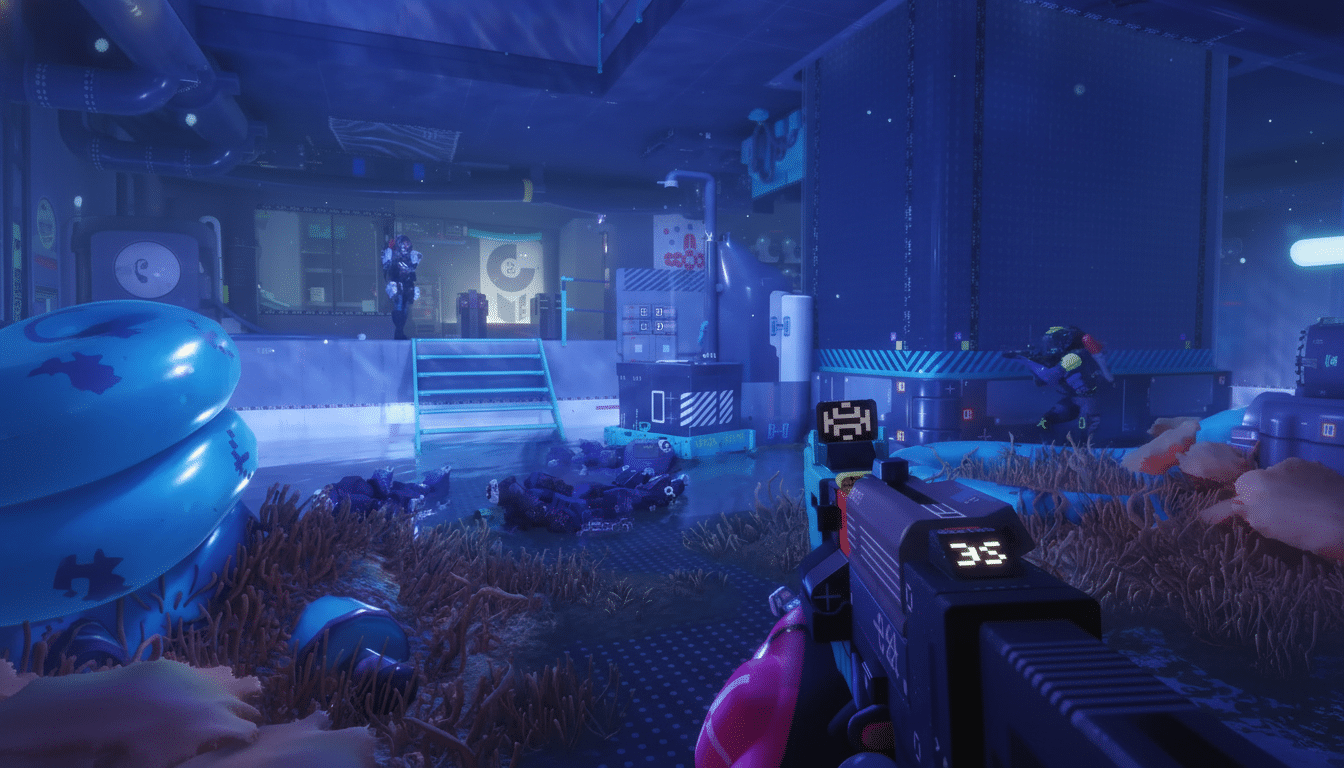
While longtime fans will spot nods to the legacy IP, Bungie is positioning this as a clean slate aimed squarely at the growing extraction subgenre. Precision gun feel and encounter design—areas where Bungie typically excels—will likely make or break early impressions with shooter diehards.
Why The Delay Happened And What Bungie Changed
Marathon’s timeline slipped after early testers criticized UI clutter, sluggish pacing, and underwhelming gunplay. Bungie framed the additional time as a chance to rethink core systems rather than ship something that didn’t meet its bar. The studio has a track record for long-tail iteration, and extraction shooters reward that approach; readability, time-to-kill tuning, and mid-match decision pressure all need to click for the format to sing.
The project also weathered an art plagiarism controversy, which Bungie acknowledged before the studio, the affected artist, and publisher Sony reached a resolution. Cleaning that up before launch was essential for a game that wants to build trust with a live-service community from day one.
Price Point And Platform Strategy For Launch
At $39.99, Marathon undercuts the standard premium shooter price and signals a “low-friction entry, long-term monetization” strategy common to live-service releases. Launching simultaneously on console and PC broadens the funnel at a moment when network effects matter; if enough friends can jump in without sticker shock, day-one retention benefits.

The three-player squad structure should foster quick queue times and tighter match flow, while the PvPvE setup can scale difficulty without sacrificing fairness. If Bungie nails inventory persistence, extractions that feel meaningful, and clear post-match progression, the format tends to generate strong “just one more run” behavior.
A High-Stakes Test For Sony’s Live-Service Push
Marathon arrives as Sony reassesses its multiplayer bets after high-profile stumbles. Bungie’s know-how with ongoing content cadence gives the publisher a credible shot at a durable service game, but the competition is fierce. Escape from Tarkov continues to anchor the genre, Hunt: Showdown has built resilient communities through steady updates, and Dark and Darker proved the appetite for extraction loops that emphasize tension and consequence. Recent newcomers like Arc Raiders have also shown how quickly momentum can swing when a fresh take hits.
Analysts at firms such as Newzoo and Circana have pointed to live-service shooters as a resilient spending category, but churn is unforgiving. The opening weeks will be watched for server stability, fast content patches, and meta balance across controller and mouse inputs.
What To Watch On Day One At Marathon’s Launch
Key signals will be match pacing and extraction tension: Do gunfights resolve crisply without erasing tactical play? Is loot meaningful enough to spark risky decisions? Are the maps readable, with audio and visual cues that reward smart teams rather than pure twitch aim? Bungie’s early seasonal roadmap—economy tweaks, new zones, and fresh enemy behaviors—will also indicate how quickly the studio plans to iterate.
For Bungie, Marathon is more than a callback to its roots; it’s a test of whether the studio can apply its shooter craftsmanship to a format defined by volatility. With a competitive price, broad platform reach, and extra time spent tuning fundamentals, the table is set. Now the race is to earn staying power in a genre where momentum decides everything.