


Progress rarely comes from big breakthroughs. It usually comes from small actions repeated often enough that they begin to shape how you think and behave. A less obvious way to approach habit building is to focus on reinforcement rather than transformation. Instead of asking how to change everything at once, the better question is which habits quietly support the progress you are already trying to make.
When habits reinforce progress, they reduce friction. Decisions feel easier. Momentum builds naturally. You spend less energy forcing yourself to do the right thing and more energy benefiting from systems that work in your favor. This approach shifts attention away from perfection and toward consistency, which is where real change tends to live.
- Why Process Matters More Than Outcomes
- Tying Habits To Identity
- Designing An Environment That Supports Progress
- Creating Positive Feedback Through Consistency
- Replacing All Or Nothing Thinking
- Using Measurement As Information Not Judgment
- Building Habits Around Emotional Regulation
- Allowing Habits To Evolve Over Time
- Recognizing Progress Beyond Numbers
- Redefining What Sustainable Progress Looks Like
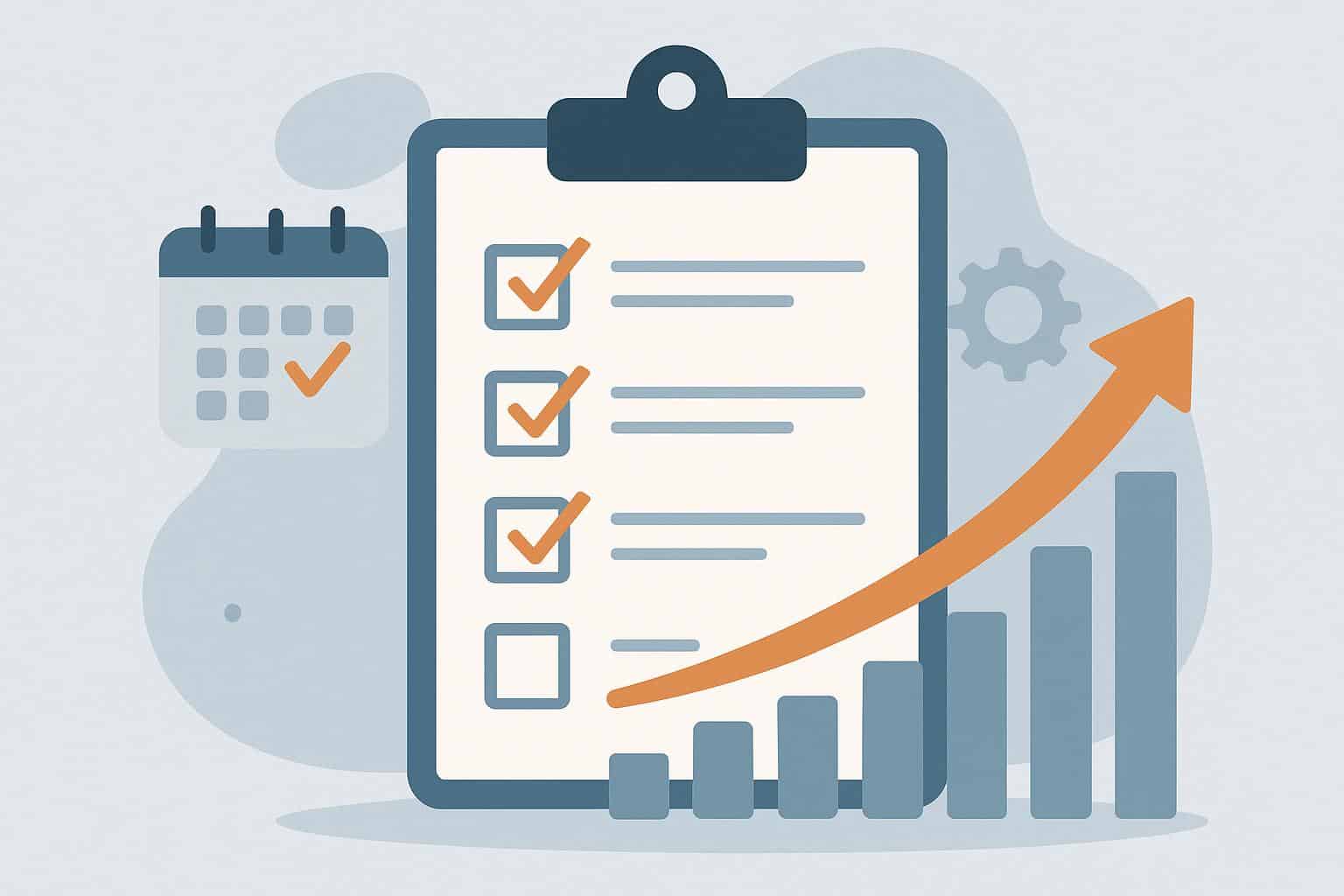
This mindset is especially useful in areas that carry emotional weight, like finances. People often expect motivation alone to solve money problems, but motivation fades under stress. Habits remain. For those dealing with ongoing pressure from revolving balances, learning about options such as credit card debt relief can be part of a reset. Still, it is the daily habits that follow which determine whether relief turns into lasting progress or a temporary pause.
Why Process Matters More Than Outcomes
Outcome focused thinking tends to create short bursts of effort followed by long periods of frustration. When the goal is a specific number, milestone, or finish line, anything short of that can feel like failure. Process focused habits work differently. They create wins that happen every day, regardless of external results.
A habit like reviewing accounts weekly reinforces awareness even if balances are not where you want them yet. A habit like saving a small amount consistently reinforces identity, the belief that you are someone who plans ahead. These processes keep progress moving during slow or uncertain periods.
When habits are tied to process, outcomes become a byproduct rather than a constant source of pressure.
Tying Habits To Identity
One of the strongest reinforcers of habit is identity. People tend to act in ways that align with how they see themselves. When habits support a desired identity, they become easier to maintain.
Instead of framing a habit as something you should do, frame it as something that reflects who you are becoming. You are not forcing yourself to plan. You are acting like someone who prepares. You are not restricting spending. You are behaving like someone who values stability.
This identity based framing reduces resistance. The habit stops feeling like a chore and starts feeling like self expression.
Designing An Environment That Supports Progress
Environment shapes behavior more powerfully than intention. Habits that reinforce progress are often less about willpower and more about design.
Simple environmental changes can make good habits more likely. Automating payments removes decision fatigue. Keeping reminders visible reinforces awareness. Reducing friction around healthy choices increases follow through.
This approach respects reality. You do not need to be disciplined all the time if your environment does some of the work for you.
Creating Positive Feedback Through Consistency
Habits reinforce progress when they create positive feedback. Each small win makes the next one easier. Checking something off a list, seeing a balance decrease slightly, or noticing increased clarity all provide reinforcement.
These signals matter. They tell the brain that effort leads to benefit. Over time, this feedback loop strengthens motivation without requiring constant encouragement.
The key is choosing habits small enough to succeed consistently. Consistency beats intensity.
Replacing All Or Nothing Thinking
One of the biggest threats to habit building is all or nothing thinking. Missing a day or falling short can trigger abandonment. Habits that reinforce progress are designed to survive imperfection.
If a habit can only be completed under ideal conditions, it will break under stress. Habits that allow for flexibility endure. For example, a rule to review finances for five minutes works even on busy days. A rule requiring an hour-long session may not.
Resilient habits keep you engaged even when life is messy.
Using Measurement As Information Not Judgment
Tracking habits can reinforce progress when measurement is treated as information rather than judgment. The goal is to notice patterns, not to grade yourself.
Seeing a streak break is not failure. It is data. It tells you where adjustments may be needed. This mindset keeps tracking supportive instead of punitive.
The American Psychological Association highlights how self-monitoring supports behavior change when it is paired with self-compassion. Their resources on habit formation and behavior change explain why realistic tracking improves long term outcomes at .
Building Habits Around Emotional Regulation
Progress often stalls because emotions override plans. Habits that support emotional regulation reinforce progress indirectly by reducing impulsive decisions.
Simple habits like pausing before purchases, scheduling regular check ins, or pairing financial tasks with calming routines help keep emotions from taking over. These habits do not eliminate stress, but they prevent stress from dictating behavior.
The Consumer Financial Protection Bureau provides guidance on managing money related stress and building routines that support informed decisions.
Allowing Habits To Evolve Over Time
Habits should change as circumstances change. What reinforces progress in one season may become restrictive in another. Regular review keeps habits aligned with current goals and capacity.
This does not mean starting over. It means refining. Adjusting frequency, scope, or timing allows habits to continue supporting progress instead of becoming outdated obligations.
Flexibility keeps habits relevant and sustainable.
Recognizing Progress Beyond Numbers
Not all progress is visible on a spreadsheet. Increased confidence, reduced anxiety, and faster recovery from setbacks are meaningful indicators that habits are working.
When habits reinforce progress, you notice that decisions feel steadier and less reactive. You spend less time debating and more time acting. These shifts signal that systems are doing their job.
Redefining What Sustainable Progress Looks Like
Sustainable progress is quiet. It builds through repetition rather than intensity. Habits that reinforce progress do not demand perfection or constant motivation. They work with human nature instead of against it.
By focusing on small, identity aligned actions supported by environment and feedback, progress becomes something you maintain rather than chase. Over time, these habits compound, creating outcomes that feel earned and durable.
When habits reinforce progress, you stop relying on bursts of effort and start relying on systems that carry you forward, even when motivation fades.