


Every founder launching a technology-driven business eventually faces the same fork in the road: build the core software in-house or license it from a specialized provider. It is the classic build-versus-buy dilemma, and in some industries the stakes are unusually high because the software is not a supporting tool — it is the entire product. Online entertainment is a perfect case study. Over the past decade, the vast majority of new operators in this sector have chosen to launch on turnkey igaming platforms supplied by B2B vendors rather than writing their own code. The reasoning behind that industry-wide decision offers valuable lessons for any startup weighing the same choice, whatever its vertical.
The true cost of building from scratch
On paper, custom development sounds appealing: full ownership, no vendor fees, a product shaped exactly to your vision. The reality is sobering. A competitive entertainment platform requires a user account management system, integrations with dozens of content providers, a payment orchestration layer supporting local methods across target markets, a promotions engine, CRM and marketing automation, a fraud-prevention module with identity verification, affiliate tracking, and an administrative back office — all of it secure, auditable and compliant with the regulations of every jurisdiction the business enters.
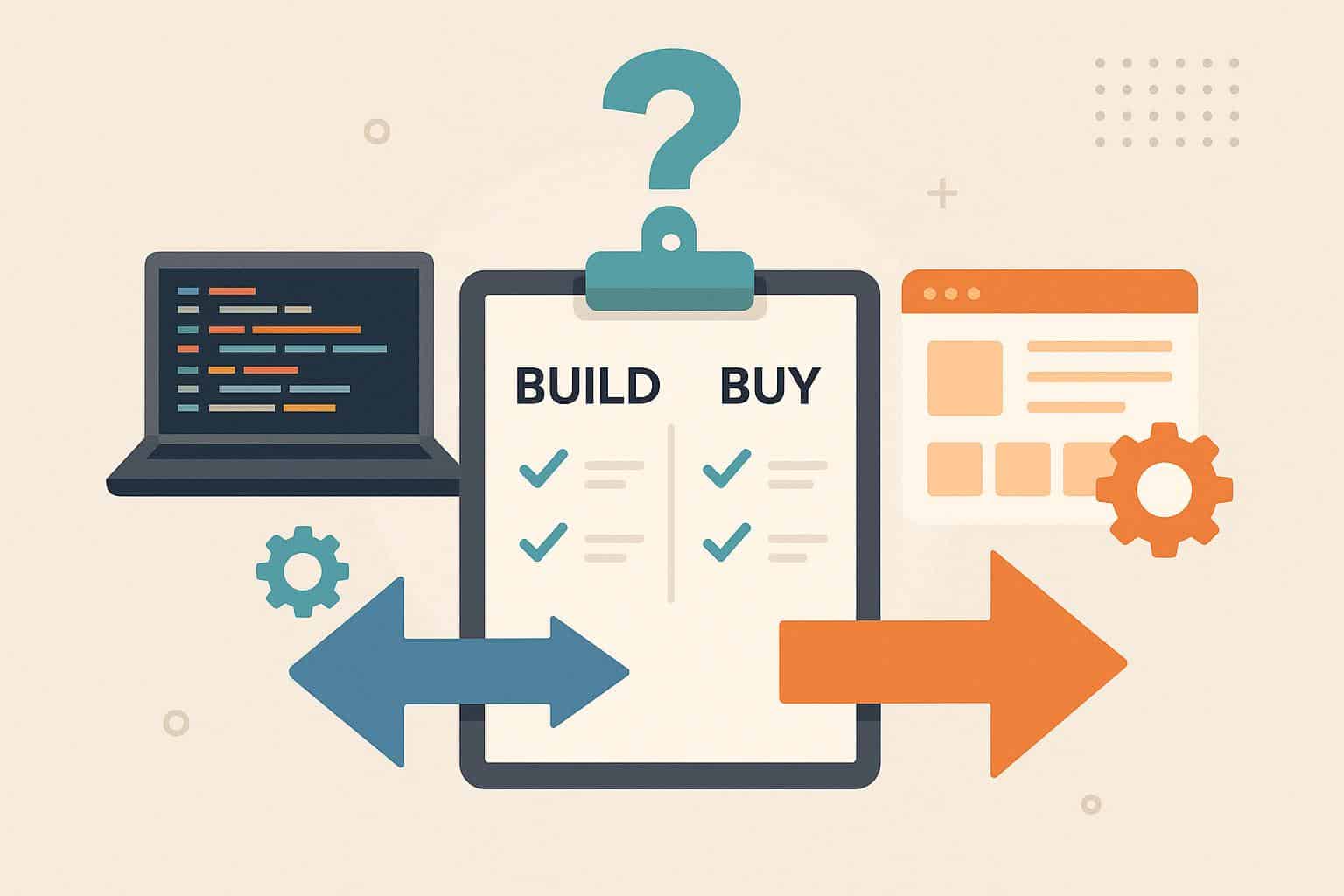
Industry estimates for building such a stack from zero routinely run into seven figures, with development timelines of eighteen months or more. And the spending does not stop at launch: content providers update their APIs, regulators tighten requirements, payment methods rise and fall in popularity. An in-house platform means funding a permanent engineering department just to stand still. For a startup, that is capital burned before the first customer ever registers — capital that competitors are spending on marketing instead.
What a turnkey model actually delivers
A turnkey platform flips the equation. The vendor provides the complete technical environment — website and content management system, third-party integrations, payments, promotional tools, fraud prevention, partner tracking — while the operator retains control over the business itself: the operating license, the brand, the contracts with providers, and the growth strategy. Reputable vendors work on transparent commercial terms; QuettaSpins, for example, offers its turnkey product with a flat lifetime commission model and a sandbox environment where clients can safely test design changes and promotional campaigns before pushing them live.
This is an important distinction from fully rented “white label” arrangements, where a company leases both the technology and the right to operate, trading independence for speed. A turnkey deal keeps the technology outsourced but the business fully owned — which is why it has become the preferred route for founders building long-term brand equity rather than testing a quick idea.
Speed as a competitive weapon
Time-to-market may be the single strongest argument for buying. In trend-driven, marketing-heavy consumer sectors, being early into a newly opened market or a rising traffic channel translates directly into cheaper customer acquisition. A turnkey launch takes weeks; a custom build takes years. By the time an in-house platform reaches feature parity with established vendors, the market window that inspired the project may have closed.
Speed also compounds after launch. When a vendor serves many clients, every improvement — a new content integration, a smarter fraud model, an additional payment rail — reaches the whole client base at once. A solo in-house team simply cannot match the development velocity of a company whose entire business is the platform.
When building still makes sense
Fairness demands the counterargument. Very large operators with unique product visions, unusual regulatory situations or the scale to amortize a permanent engineering organization do build proprietary stacks — and some industry giants treat their in-house technology as a genuine competitive moat. But that is a strategy for companies measuring revenue in hundreds of millions. For a startup, attempting it is usually a category error: you end up competing with specialized software companies at their own game while neglecting yours, which is acquiring and retaining customers.
The verdict
Across the digital economy, the build-versus-buy question is increasingly settled by the same economics. Licensing a mature platform converts an enormous upfront gamble into a predictable operating cost, compresses launch timelines from years to weeks, and lets founders concentrate resources where differentiation actually happens: brand, marketing, customer experience and market selection. Once a technology category matures into infrastructure, the winners are rarely the ones who reinvent the engine — they are the ones who drive it best.