


Bridgerton’s third season delivered its most consequential reveals yet, reshaping alliances, elevating underdogs, and rewriting the social rulebook of the Ton. With showrunner Jess Brownell centering Penelope Featherington and Colin Bridgerton’s long-simmering romance, the series balanced swoon-worthy fan service with strategic plot pivots that set up the next chapter.
Lady Whistledown Unmasked Amid Bold Revelations
The secret finally burst: Penelope (Nicola Coughlan) revealed herself as Lady Whistledown. After Cressida Cowper attempted to claim the quill and leveraged blackmail, and after Colin (Luke Newton) discovered Pen’s clandestine printing, the truth surfaced at the flamboyant Dankworth-Finch ball. In front of Queen Charlotte, Pen gave a disarmingly candid speech about finding a voice in a world that dismissed her—earning royal permission to keep writing, so long as she did so responsibly.
- Lady Whistledown Unmasked Amid Bold Revelations
- Polin’s Marriage and a New Heir Reshape the Featheringtons
- The Mondrichs Rise in the Ton and Confront Class Rules
- Benedict’s Desire and Duty Collide at a Pivotal Crossroads
- Francesca’s Quiet Match and Michaela’s Entrance
- Eloise and Penelope Redraw the Lines of Friendship and Truth
- Violet and Marcus Test a Late Bloom and Second Chances
- Why Season 3 Mattered to Bridgerton’s Evolving Power Dynamics
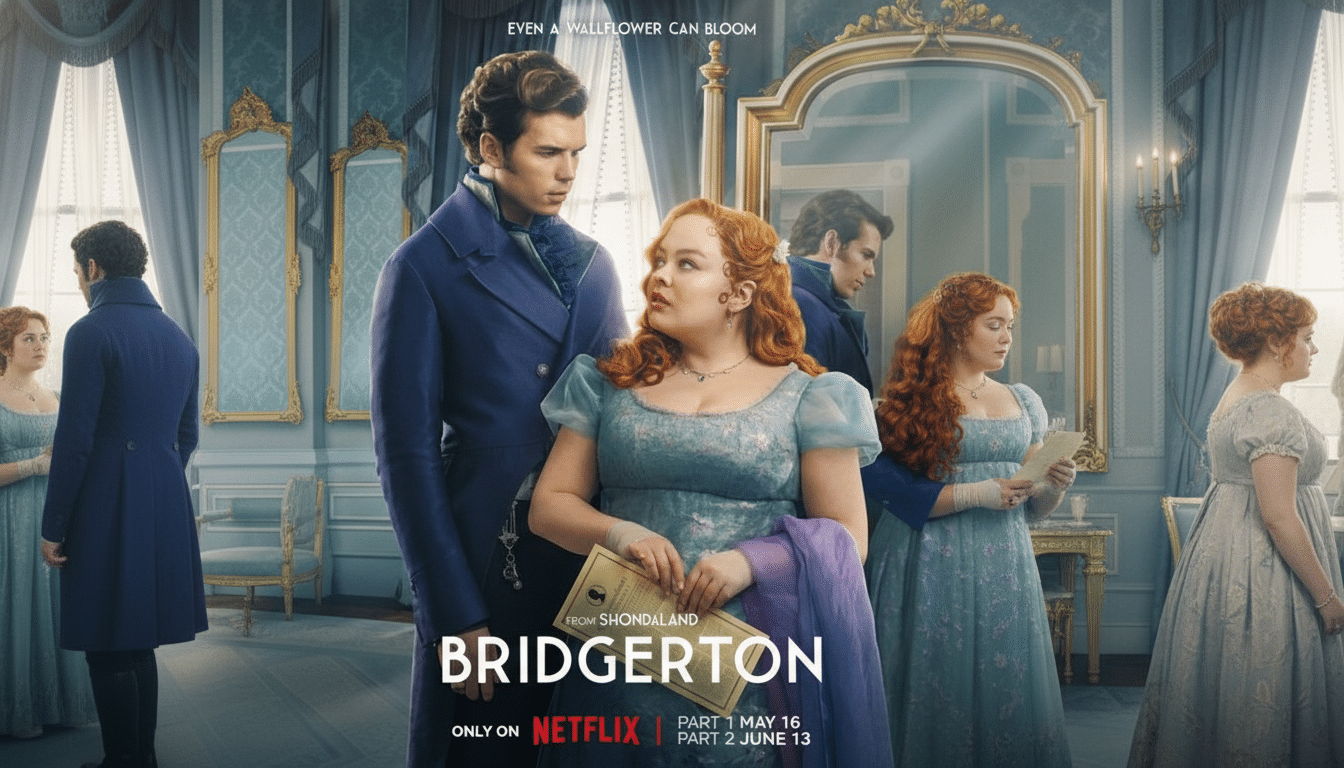
Penelope also used her authorship to right old wrongs, persuading a crown solicitor that the Featherington fortune—tainted by Season 2’s Jack Featherington scheme—was legitimate earnings from her pen. It was a savvy play that solidified her power beyond gossip and into financial independence.
Polin’s Marriage and a New Heir Reshape the Featheringtons
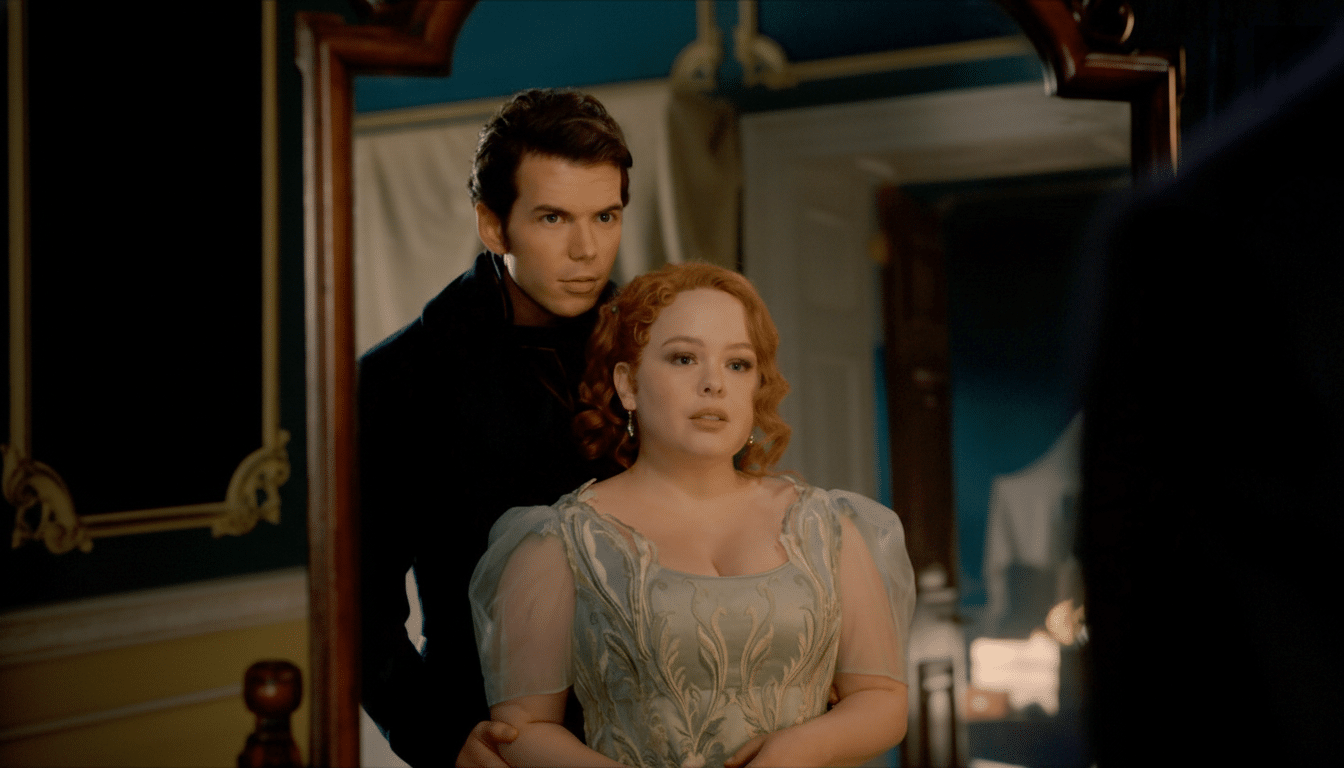
After seasons of yearning—and a carriage scene that melted the Ton—Penelope and Colin married. But the honeymoon stalled when Colin, discovering the truth about Whistledown, recoiled at both the secrecy and her published barbs. In a sharp twist on the period romance blueprint, the show explored male ego and authorship envy, before Colin ultimately embraced Pen and her alter ego as “one voice.”
By season’s end, they welcomed a baby boy, securing the Featherington line. With her sisters Philippa and Prudence each having daughters, Pen and Colin’s son became the new Lord Featherington—an elegant solution to the family’s inheritance woes.
The Mondrichs Rise in the Ton and Confront Class Rules
In an unexpected social leap, boxer-turned-businessman Will Mondrich (Martins Imhangbe) and Alice Mondrich (Emma Naomi) inherited a title through Alice’s family, thrusting their young son Nicky into life as Baron of Kent. The promotion came with awkward adjustments—separate bedrooms under a prudish housekeeper’s eye and a crash course in aristocratic etiquette—but the Mondrichs emerged as credible power players, expanding the show’s view of mobility in Regency society.
Benedict’s Desire and Duty Collide at a Pivotal Crossroads
Benedict (Luke Thompson) continued exploring his sexuality and non-monogamy through a relationship with Lady Tilley Arnold (Hannah New) and Paul Suarez (Lucas Aurelio). As feelings complicated the arrangement, Benedict pulled back—an introspective beat that positioned him at a crossroads between bohemian freedom and family duty. With Anthony and Kate traveling abroad, Benedict assumed more Bridgerton responsibilities, placing him squarely in his mother’s matchmaking crosshairs.
Francesca’s Quiet Match and Michaela’s Entrance
Francesca (Hannah Dodd) married the reserved John Stirling (Victor Alli) in a modest, intimate ceremony that suited their temperament. The couple prepared to settle in Scotland, with Eloise (Claudia Jessie) opting to accompany them rather than rejoin the marriage mart. Then came a late-season jolt: the arrival of John’s cousin, Michaela Stirling (Masali Baduza), whose brief introduction left Francesca visibly flustered, signaling an emotionally complex path ahead.
Eloise and Penelope Redraw the Lines of Friendship and Truth
After Eloise uncovered Pen’s secret at the end of Season 2, their friendship entered a prolonged cold war. Season 3 eased the stalemate into wary detente: Eloise recognized Pen’s need to write, while Pen accepted the cost of wielding influence. The detente held as Eloise departed for Scotland, leaving the door open for a redefined friendship built on truth rather than secrecy.
Violet and Marcus Test a Late Bloom and Second Chances
Lady Violet Bridgerton (Ruth Gemmell) shared a tender spark with Lord Marcus Anderson (Daniel Francis), brother to her confidante Lady Danbury (Adjoa Andoh). With the shadow of Violet’s late husband’s connection to Danbury acknowledged—a nod to revelations from the Queen Charlotte spinoff—the season closed on an elegant note: a dance, a smile, and the promise that second chances can be as delicate as they are bold.
Why Season 3 Mattered to Bridgerton’s Evolving Power Dynamics
By unmasking Whistledown, crowning a new Lord Featherington, and elevating the Mondrichs, Season 3 rebalanced power in the Ton. It also gave Benedict a searching arc that primes him for center stage, while weaving in fresh dynamics for Francesca and Eloise. The strategy resonated with audiences: Netflix’s Top 10 reported a No. 1 global debut, with tens of millions of views in the first week and multiple weeks atop the chart, underscoring the franchise’s staying power.
Adapted from Julia Quinn’s novels and produced by Shondaland, the series has never been more confident about authorship—on the page and in the narrative. Season 3 didn’t just resolve secrets; it redistributed agency, ensuring the Ton’s gossip sheet and its most compelling voices are now one and the same.