


If your feed often seems like a never-ending carousel of gibberish sounds, frenetic edits and looping inside jokes that dig their way into your brain, you’re not imagining it. “Brainrot” content — the catchall term for vapid, hyper-repetitive clips that prize stickiness over substance — has arrived and colonized attention at scale.
“Brain rot” was the 2024 Word of the Year, according to Oxford Languages, capturing both a mood and media reality: an onslaught of content not designed to be edible but irresistible, barely nutritious at best. In colloquial use, the phrase now refers to media that feel like cognitive cotton candy — senseless and sticky-sweet with a potent aftertaste you can’t quite spit out.
- Brainrot Content Defined: What It Is and How It Works
- Why Brainrot Feels Inescapable Across Social Apps
- How AI Supercharged the Recent Brainrot Content Boom
- The Attention Politics of Brainrot on Major Platforms
- How Brainrot Hooks the Brain Using Design Psychology
- Is Brainrot Good or Bad for Users and Culture Online?
- Breaking the Loop Without Logging Off Entirely
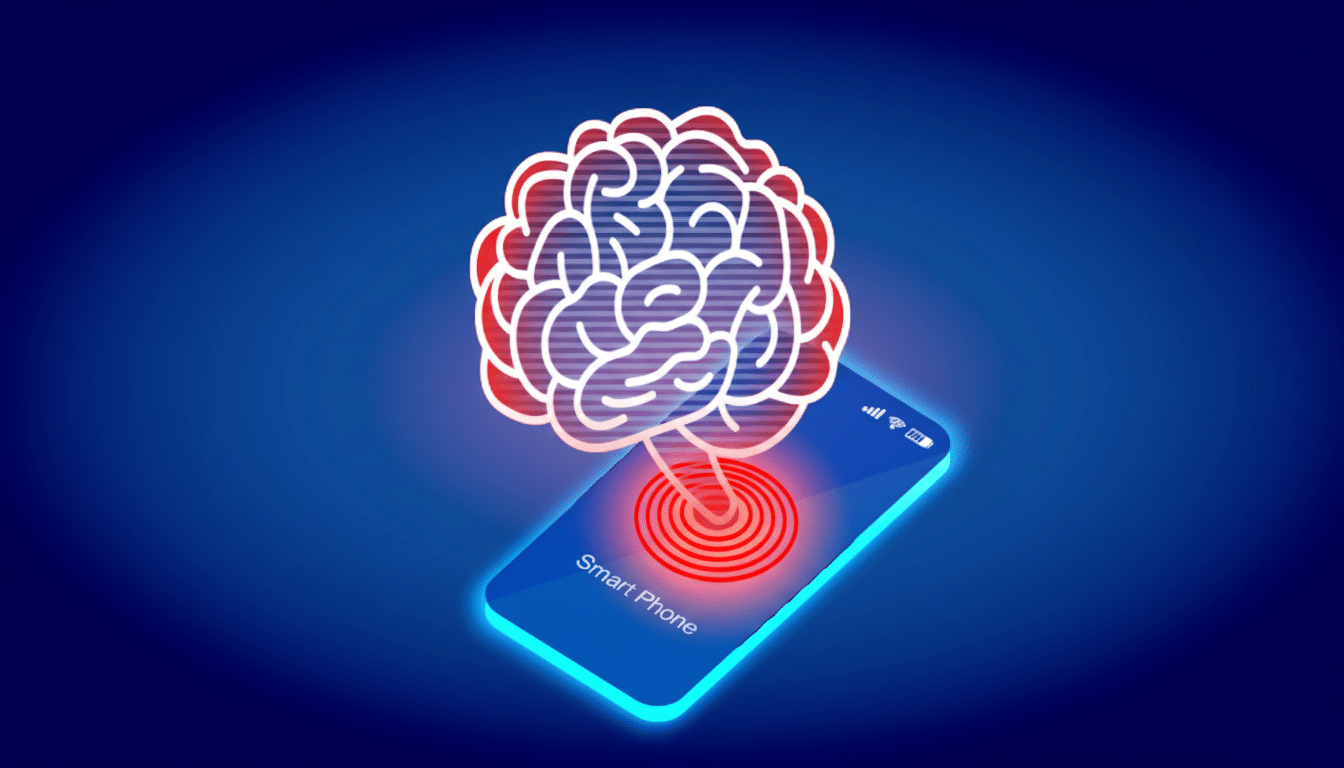
Brainrot Content Defined: What It Is and How It Works
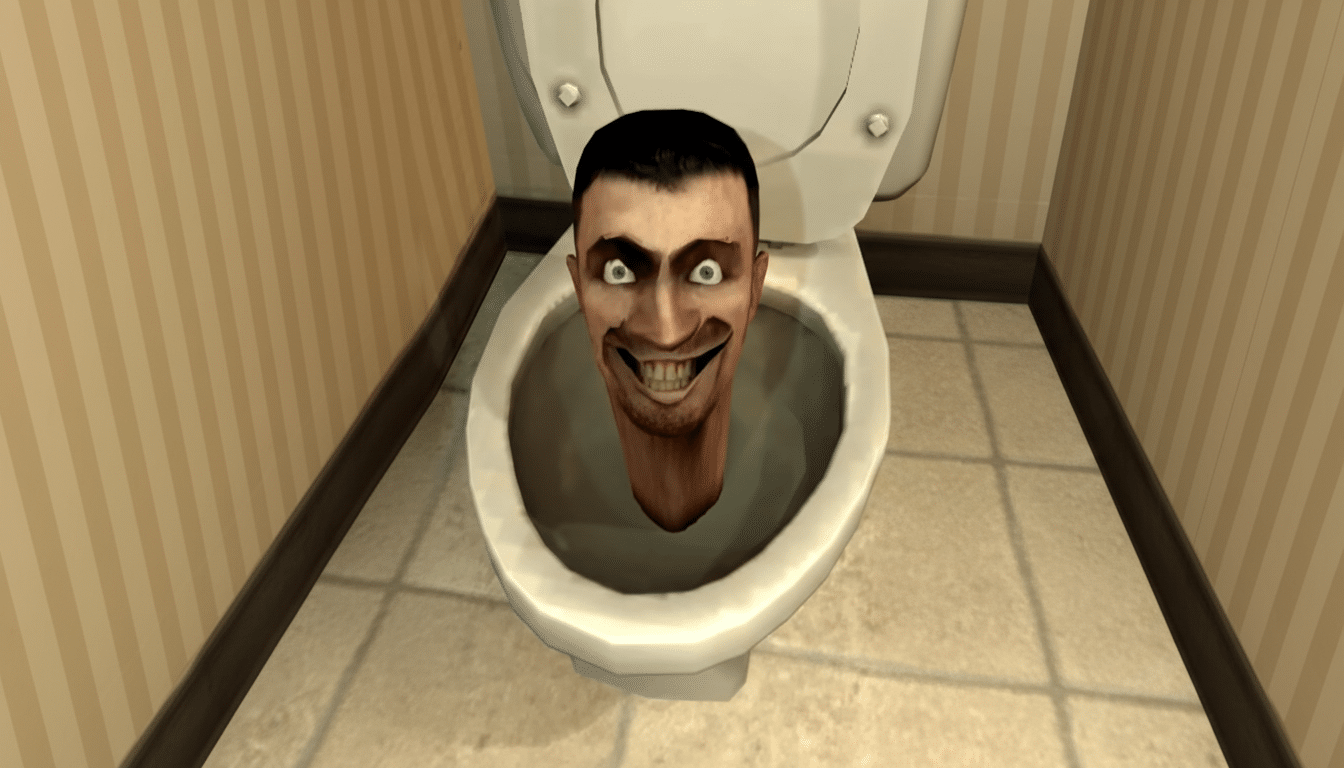
Think Skibidi Toilet’s surrealist, loopy chaos. Think AI-generated critters with faux-Italian names. Think sound bites shorn of context, repeated so often they become an earworm of one. The point isn’t that brainrot content is too short: It’s that it tends toward the short, and all decently derivative of a central text and never quite meant to be examined closely on its own terms.
It is made from an easy recipe: an instant hook in the first few seconds, a cue for familiarity of sound, visual mess that rewards you for scanning, and an ending that snaps right back to the beginning. The result is a self-propagating loop that, once in motion, your thumb only rarely disturbs.
Why Brainrot Feels Inescapable Across Social Apps
Algorithms reward what holds you. The platforms reward watch time, rewatches and shares, as well as comments — so that’s what then floods the For You page. A clip that performs well in a small test group can rocket to millions of views within hours, encouraging copycats.
So, the audience is huge and 24/7. About two-thirds of U.S. teens say they use TikTok, according to Pew Research Center, and roughly 1 in 6 reports that using it is a frequent activity for them. Data.ai’s State of Mobile reports that short-form video apps are dominating time spent on mobile around the world — meaning that what creators make next will likely conform to the gravitational pull of this format.
Memes also travel by sound. A hit audio is grafted onto a million micro-variations, multiplying exposure by the rate of mutation. And even if you start with no visual awareness of a meme, its soundtrack pops up again and again until you know it — then think it’s funny — then find it predictable.
How AI Supercharged the Recent Brainrot Content Boom
Generative tools have vaporized the cost of production. What used to take editing chops or animation skills can now be spun up with text-to-image prompts, text-to-video systems or one-tap voice cloning. Consumer-grade tools like Runway and Pika, as well as D.I.Y. voice models that are readily available, form an assembly line of absurdity.
Creators can spit out dozens of variations, A/B test thumbnails and hooks, re-deploy what wins — all in an afternoon. When supply tends toward infinity and distribution is cheap, the feed fills with whatever gets the most attention per click, then shoves it into people’s face holes.
The Attention Politics of Brainrot on Major Platforms
There’s real money in micro-engagement. The platforms optimize for watch time because it drives ad revenue; creators optimize for retention because that’s what triggers distribution. The equilibrium is a competition for the fastest dopamine hit.
New research by Ofcom reveals how short-form video is embedded in the media diets of young people, and advertiser money follows attention. When cash prizes and sponsor deals are predicated on views and velocity, thumb-stopping low-friction clips that can be cranked out dozens of times in a row win out over labor-intensive storytelling most days of the week.
How Brainrot Hooks the Brain Using Design Psychology
Brainrot weaponizes classic behavioral design. Intermittent rewards (the next clip might just be amazing) keep you scrolling. And the Zeigarnik effect (the fact that you remember incomplete loops) makes tight, circular edits gnaw at your memory. Earworm music is the use of repetition to achieve pleasure through exposure.
There’s also social gravity. Quoting from the meme indicates you’re in on said joke; posting your iteration invites low-lift participation. The barrier to creating is so low that the audience becomes an amplifier, and between that feedback loop — the one that hums worldwide all day for at least as long as we have devices in hand — there is no sharp line between spectator and supply chain.
Is Brainrot Good or Bad for Users and Culture Online?
Not all of it is toxic; some is playful, inventive and culturally connective. But rapid, high-volume consumption raises concerns about attention fragmentation and sleep-disrupting routines, particularly for younger users. The 2023 advisory from the American Psychological Association called on parents and platforms to mitigate the harms of algorithmically amplified content and focus on healthy patterns of use.
The larger concern isn’t any one meme, however, but a diet made up almost entirely of them. A feed that never stops flying past provides few chances for context, nuance and boredom, all of which are the traits of deeper thought.
Breaking the Loop Without Logging Off Entirely
You can tilt the algorithm short of quitting. Aggressively use “not interested” tools, follow creators who make long-form or explainers and batch your scrolling into windows. Even slight interventions help shape the model of “you” that platforms use to program your feed.
And when the loop starts feeling gagged, switch things up: read a few pages, take a brief walk or bounce over to a saved long-read. Reflex is the lifeblood of brainrot; intention, its only true adversary.