


I tried Bose’s latest adaptive noise cancelling and regular ANC now feels like yesterday’s tech. The QuietComfort Ultra Earbuds 2 use AI not as a gimmick but as a quiet, always-on system that reads your surroundings and neutralizes noise before you even notice it. The result is a listening experience that’s startlingly natural in busy spaces, with voices coming through clearly and background chaos fading into a gentle hush.
What AI-powered adaptive ANC actually does in practice
Traditional ANC listens for incoming noise and fires an equal-and-opposite signal to cancel it. It works well with steady sounds but struggles when environments shift. AI-driven adaptive ANC changes the approach: trained models classify noise types, predict what’s coming next, and adjust in real time. Bose’s system, branded ActiveSense, pairs that intelligence with transparency audio, so it can selectively suppress what you don’t need and let important sounds through without abrupt volume swings.
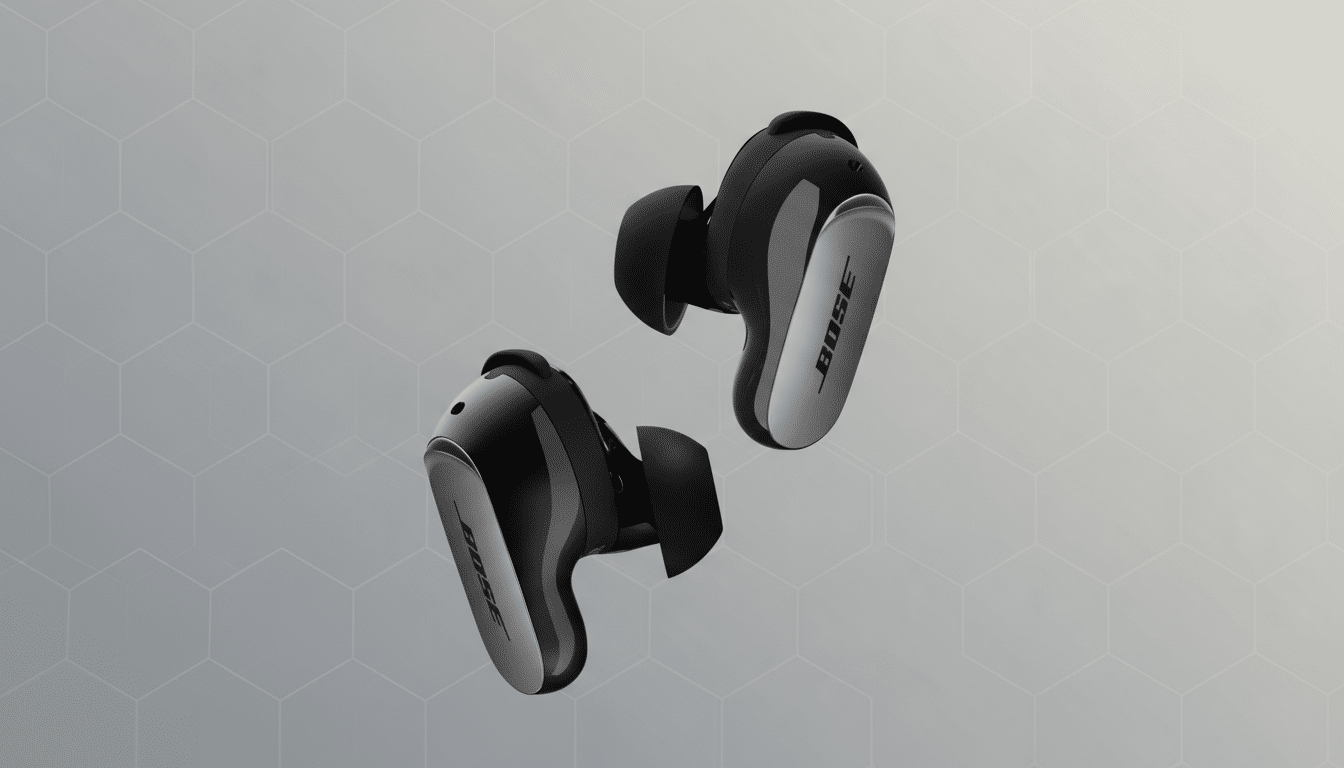
Practically, this means fewer artifacts—no “eardrum suck,” no sudden vacuum effect when a blender roars to life, and far less tonal shift as cancellation ramps. The earbuds constantly recalibrate, factoring in seal quality, ear shape, and ambient patterns to keep music and podcasts sounding consistent while background noise is quietly pruned away.
Real-world tests in noisy spaces and daily transit
In a grocery store, ActiveSense let me walk from a quiet parking lot into a loud aisle without the telltale step-change of ordinary ANC. Carts rattled and overhead announcements softened, yet when the cashier spoke, their voice slipped through cleanly with no pressure shift or delay. On public transit, low-frequency rumble became a velvet backdrop rather than a constant punch. The earbuds felt less like they were “doing a trick” and more like they were simply tuned to the world I was in.
That matters beyond comfort. The European Environment Agency reports that around 20% of Europeans are regularly exposed to harmful long-term noise levels, and the World Health Organization has warned about the health impacts of chronic noise. Better adaptive control isn’t just convenience; it can reduce fatigue and listening strain in environments we can’t control.
How It Compares To AirPods Pro 2 And Rivals
Apple’s AirPods Pro 2, Google’s Pixel Buds Pro 2, Samsung’s Galaxy Buds 3 Pro, and Sony’s WF-1000XM5 all tout adaptive ANC. The difference with Bose is how invisible the adaptation feels. Apple’s Conversation Awareness can lag a beat, occasionally clipping the first words of a greeting. Bose’s AI seems to anticipate speech and open a window for voices without collapsing the noise floor around everything else.
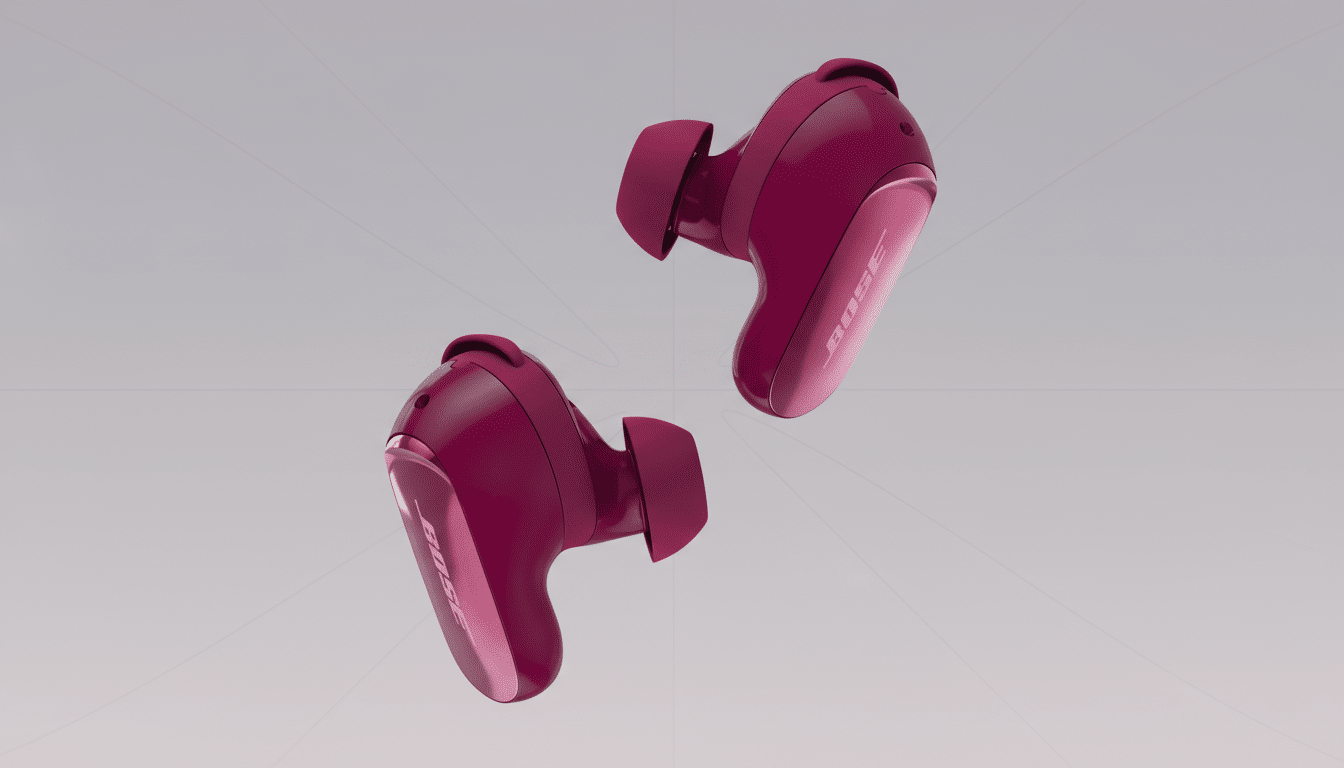
Independent lab measurements from groups like Rtings and SoundGuys have repeatedly placed Bose at or near the top for low-frequency attenuation, where airplane and subway rumble live. In those tests, Bose typically carves out several decibels more reduction in the sub-200 Hz range than many competitors, which aligns with what I heard: deeper hush without the pressure build-up. Crucially, midband noise—conversation, clatter, PA systems—is trimmed in a way that preserves intelligibility when you need it.
The engineering behind the smoothness you hear
Under the hood, adaptive ANC is a choreography of detection, prediction, and control. Multi-mic arrays feed classifiers that distinguish speech, transient impact noise, and steady hum. Short-time adaptive filters then update cancellation profiles in milliseconds, while gain scheduling keeps transparency and noise reduction balanced so tonal character stays consistent. Bose’s ActiveSense layers this on top of a transparency baseline, which helps avoid the “on-off” feel of classic ANC modes and keeps your brain anchored to a natural soundstage.
There’s also smart handling of fit and seal. The algorithm compensates for leakage when an ear tip shifts, maintaining bass response and noise suppression without re-prompting you to reseat the earbuds. It’s a small quality-of-life detail that pays off during workouts, commutes, and conversations on the move.
Early takeaways for buyers considering adaptive ANC
Feature checklists are crowded with flashy AI tricks—chatbot access, translation, transcription—but the AI you’ll feel every day is adaptive noise cancelling. Bose’s second-generation ActiveSense doesn’t announce itself; it removes distractions, respects voices, and reduces fatigue. That’s a more durable advantage than ecosystem party tricks that see occasional use.
If your priority is the cleanest, least intrusive hush in real life, these earbuds set a new bar. After using them in crowded streets, cafes, and trains, going back to regular ANC feels blunt and fussy. This is the kind of AI upgrade that fades into the background—and that’s exactly the point.