


Meta Description: Persistent interest charges on variable credit cards lead households toward fixed-rate financing options designed to establish structured payoff paths.
Persistent interest charges on variable credit cards lead households toward fixed-rate financing options designed to establish structured payoff paths.
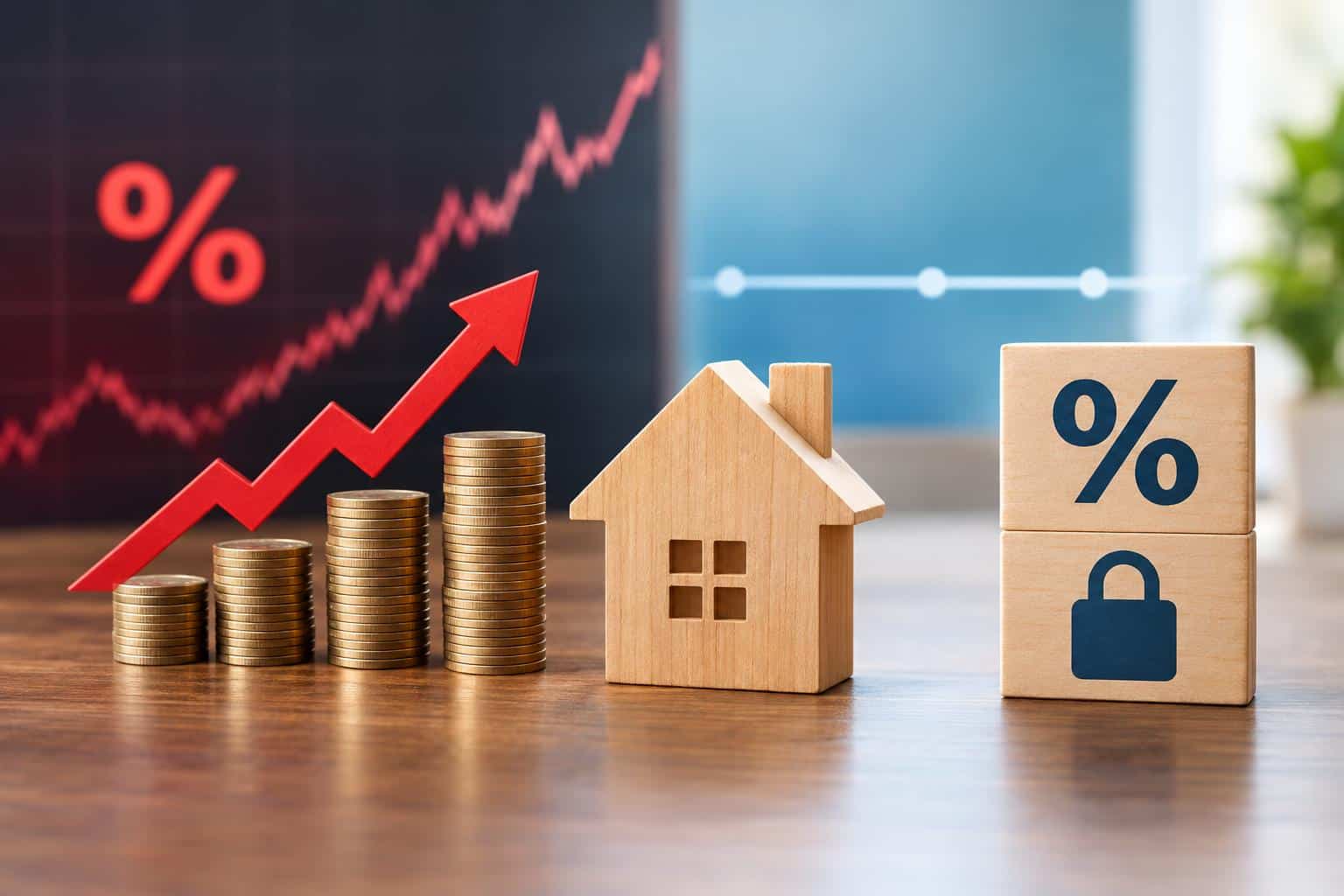
High variable interest rates on credit cards are stretching household budgets thinner every month. When you only make minimum payments, the balance barely moves while interest keeps piling onto the principal. You deserve a clear way out of that frustrating cycle so you can plan your finances without constant surprises.
Switching to a fixed-rate installment structure gives you a set finish line and steady monthly obligations. By replacing unpredictable revolving debt with a structured payoff plan, you regain control over your cash flow and protect your long-term savings.
Why Should You Reorganize High-Interest Credit Lines Now?
Waiting for variable credit card rates to drop on their own can cost you thousands of dollars in unnecessary interest. When reorganizing multiple credit lines, securing a fixed-rate personal loan can establish predictable monthly commitments and eliminate the compounding interest traps typical of revolving cards. Moving balances out of open-ended accounts stops daily interest compounding and puts every monthly payment to work on a clear schedule.
Taking proactive steps today also protects your credit utilization ratio. Paying off revolving credit card balances with an installment loan lowers the percentage of available credit you are using, which can give your credit profile a healthy boost. Once those cards are paid down, keeping them open with zero balances prevents you from sliding back into high-interest debt.
Why Do Revolving Credit Balances Grow So Quickly?
Credit cards use compounding interest that calculates charges daily based on your current balance. Whenever you carry a balance past your grace period, unpaid interest rolls directly into your principal. The next day, you pay interest on that newly inflated total, which makes your debt grow faster than you might expect.
Variable annual percentage rates add another layer of uncertainty to your monthly budget. When benchmark rates shift, credit card issuers can raise your borrowing costs with little notice. Your required minimum payment might stay small, yet almost every dollar goes toward covering fresh interest charges rather than reducing what you actually owe.
How Compounding Debt Traps Household Budgets
Revolving credit lines have no fixed end date, so they encourage open-ended borrowing. You can keep swiping your card while paying off old purchases, blurring the line between everyday spending and long-term debt.
The Hidden Cost of Minimum Payments
Paying only the minimum keeps your account in good standing, but it stretches repayment across decades. A modest balance can end up costing double or triple the original purchase price once years of compounding charges accumulate.
How Does Fixed-Rate Installment Borrowing Change Your Payoff Path?
Closed-end installment financing works on a completely different schedule than a credit card. You borrow a specific lump sum upfront and agree to pay it back in equal monthly installments over a predetermined term. Because the interest rate remains locked from day one, your monthly payment never fluctuates.
Each payment you make is divided between interest and principal according to a clear amortization schedule. Early in the loan term, a larger share goes toward interest, while later payments knock down the principal rapidly. According to data from The Motley Fool, commercial banks offered an average interest rate of 11.65% on 24-month personal loans as of November 2025, giving borrowers a substantial rate advantage over typical credit cards.
Comparing Revolving Debt Against Closed-End Loans
Understanding the structural differences helps you see why installment debt creates momentum:
- Predictable monthly budgeting: You know the exact dollar amount due on the same date every month until the balance hits zero.
- Defined payoff horizon: Your lender sets a firm end date, usually ranging from two to seven years, so your debt cannot linger indefinitely.
- Protection from rate hikes: Market fluctuations will not increase your monthly bill once you sign your fixed-rate agreement.
- Single consolidated payment: Combining multiple high-interest balances into one account simplifies your financial tracking and reduces the risk of missed due dates.
What Role Does Digital Origination Play in Borrowing Transparency?
Modern online lending platforms have changed how you shop for credit and evaluate borrowing costs. Instead of waiting days for branch appointments or deciphering dense paper contracts, you can check prequalified rates online within minutes. Most digital lenders use a soft credit inquiry for initial quotes, allowing you to compare real numbers without hurting your credit score.
Clear digital dashboards break down the exact cost of capital before you commit to a loan. You can view your annual percentage rate, total interest paid over the life of the loan, and exact monthly obligations side by side. NerdWallet explains that installment borrowing provides a lump sum upfront that you repay through fixed monthly payments over a set window, typically spanning two to seven years.
Evaluating True Cost Through Pre-Qualification Tools
Digital origination puts comparison power directly in your hands. You can adjust loan terms on screen to see how choosing a 36-month term versus a 60-month term changes both your monthly bill and your total interest expense.
Spotting Upfront Fees Before You Sign
Transparent lenders display origination fees clearly within the annual percentage rate calculation. Comparing the APR rather than just the base interest rate lets you see the true cost of each offer on an apples-to-apples basis.
How Can You Select the Right Non-Collateralized Loan?
Choosing an unsecured borrowing option requires looking closely at loan terms, fee structures, and borrower perks. Unsecured loans do not require you to pledge your home or vehicle as collateral, meaning approval relies heavily on your credit profile, income stability, and debt-to-income ratio. Shopping across multiple lenders helps you find terms that fit your monthly budget without straining your cash flow.
Start by checking whether a lender charges origination fees, prepayment penalties, or late fees. Many reputable online lenders charge zero origination fees and let you pay off your balance early without extra costs. Looking for autopay rate discounts can also shave a quarter-point or more off your interest rate right from the start.
Taking control of stubborn revolving debt starts with replacing open-ended variable rates with transparent, fixed-rate financing. When you choose a structured repayment plan with clear terms and a set payoff date, you stop wasting money on compounding interest and start building lasting financial stability. Review your current balances, compare transparent fixed-rate options, and commit to a monthly payment schedule that leads directly to debt freedom.