


The Bluetti Elite 400 Portable Power Station has dropped to $1,298.99, down from $1,899, a 32% cut that saves you $600.01 and marks its lowest price to date. For homeowners bracing for outages, RVers planning shoulder-season trips, or creators powering gear on location, this is the rare deal that moves a 3kWh-plus class unit into midrange pricing territory.
Why This Price Drop Matters for Power Station Buyers
At this sale price, the Elite 400 lands at roughly $0.34 per watt-hour. That’s a standout figure for a large-capacity, name-brand station, undercutting many rivals in the 3–4kWh bracket that often sit between $0.45 and $0.70 per watt-hour. For context, comparable-capacity units from EcoFlow, Anker, and Jackery typically retail higher when not on promotion. If you’ve been waiting for true whole-appliance backup without venturing into full home battery territory, this is the kind of pricing window that doesn’t stay open long—especially during Lightning Deals.
- Why This Price Drop Matters for Power Station Buyers
- Key Specs and Real-World Runtime You Can Expect
- Fast Recharging and Solar Options for Quick Recovery
- Outage Resilience Is Increasingly Essential
- How It Stacks Up on Value Against Competitors
- Who Should Buy and What to Check Before Purchase
- Bottom Line on the Bluetti Elite 400 Deal Today
Key Specs and Real-World Runtime You Can Expect
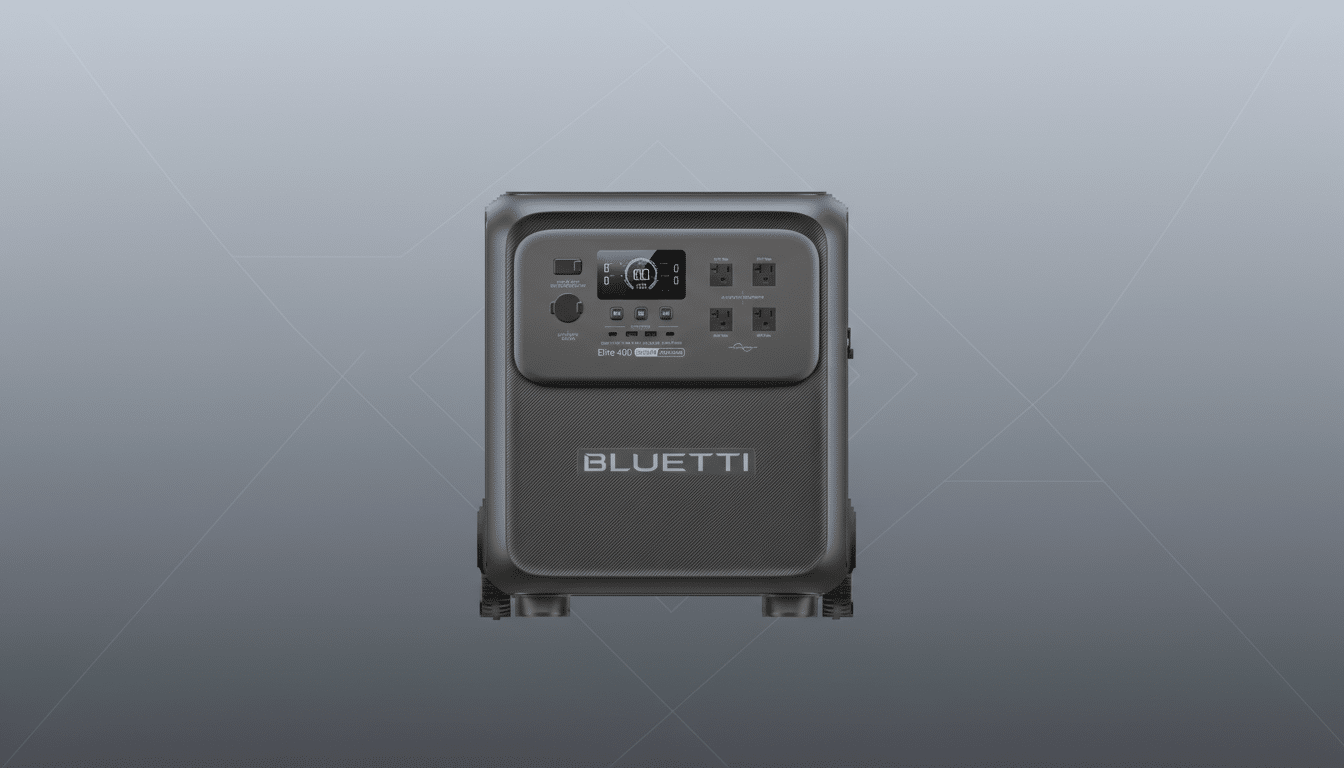
The headline specs are substantial: 3,840Wh of capacity paired with 2,600W of AC output. In practical terms, that lets you run most refrigerators, window air conditioners, microwaves, electric kettles, power tools, and a stack of smaller electronics at once—provided your combined draw stays within that 2,600W ceiling. Many users look for this wattage tier because it bridges the gap between “phone-and-laptop backup” and “whole-room functionality.”
Translating capacity into hours is where this deal shines. Assuming around 85% usable energy after inverter losses, you’re looking at roughly 3,260Wh available. That yields about 20–24 hours of continuous runtime for a 150W fridge, 45–50 hours for a 70W work-from-home setup (laptop + router), and 3–4 nights for a 40W CPAP. Need to boil water or run a 1,000W microwave during an outage? You’ll have the surge-ready headroom to do so without tripping the system.
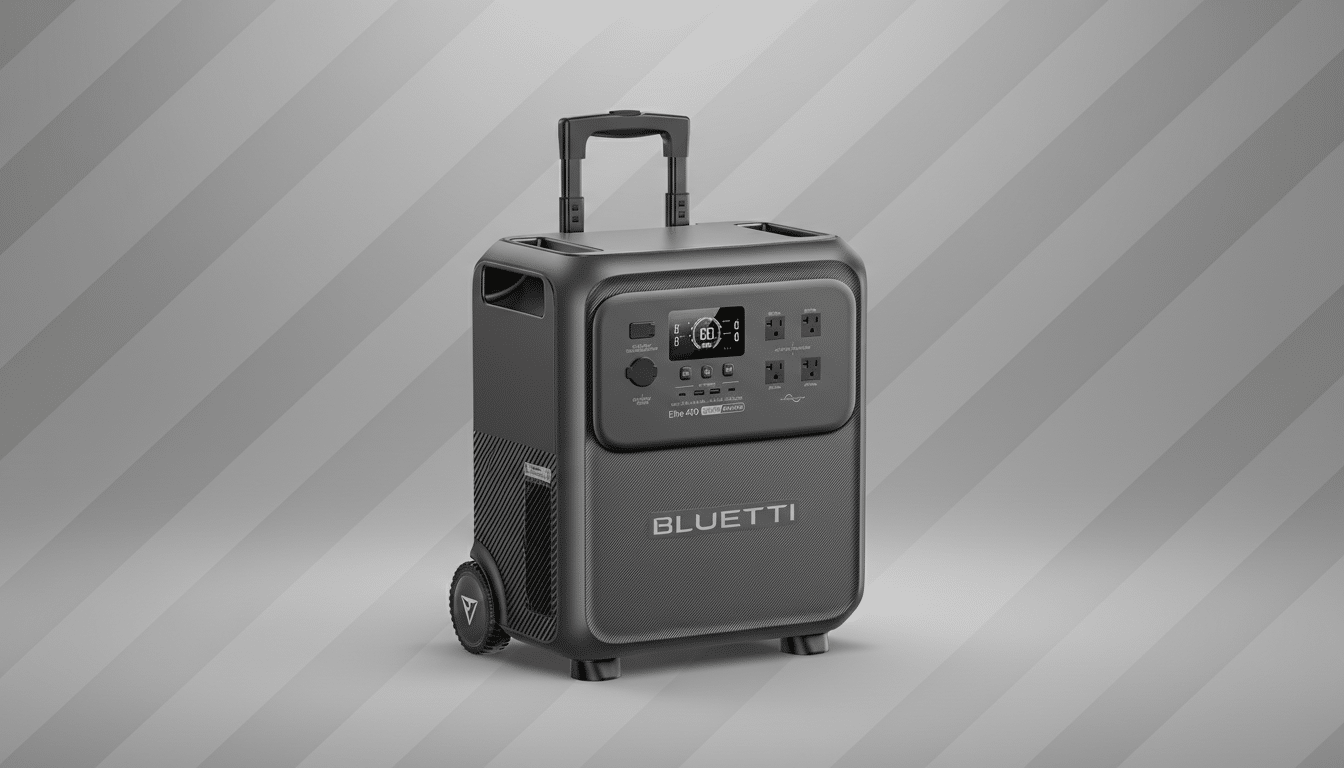
Portability also matters at this size. The Elite 400’s rugged housing and wheels make it feasible to relocate between rooms, a garage, or an RV bay, turning a stationary backup box into roving power you can actually reposition where it’s needed.
Fast Recharging and Solar Options for Quick Recovery
Bluetti rates the Elite 400 to recharge to 80% in about 70 minutes with up to 2,800W combined AC and solar input. That’s a legitimately quick turnaround for a pack of this size—roughly 3kWh restored in just over an hour—so you’re not stuck waiting all day after a deep discharge. If you’re solar-curious, pairing a few portable panels can keep critical loads afloat during extended outages; in strong sun, an 800W array could deliver a meaningful top-up over a few hours. As always, match your input to outlet and breaker limits, and follow the manufacturer’s charging guidance.
Outage Resilience Is Increasingly Essential
Recent reliability data underscores why these stations are moving from “nice-to-have” to “need-to-have.” The U.S. Energy Information Administration reports that the average American customer now experiences several hours of power interruptions annually, with weather-related events making up a growing share of outages. Portable power allows you to keep food cold, work online, and run medical devices when the grid blinks—without the fumes or maintenance of a gas generator. Consumer advocates like Consumer Reports have also highlighted the safety and indoor-use advantages of battery stations over combustion models.
How It Stacks Up on Value Against Competitors
Large-capacity power stations have trended downward in cost-per-Wh over the last two years as LiFePO4 (LFP) batteries with multi-thousand-cycle lifespans become standard in this class. Sub-$0.35/Wh is still rare from established brands. If you’re comparing, weigh not just capacity but inverter quality (pure sine output), sustained vs surge wattage, thermal management, and warranty support. On raw math and capability, this drop puts the Elite 400 on a very short list for value-focused buyers who still want big-appliance headroom.
Who Should Buy and What to Check Before Purchase
This deal is ideal for homeowners needing fridge, lighting, and device backup; mobile professionals powering cameras, lights, or laptops in the field; and RV or vanlife setups that demand both AC and DC delivery. Before purchasing, inventory your critical loads and note their wattage, especially appliances with high startup surges like pumps or compressors. Consider total weight and storage space, confirm plug types and the number of AC/USB outputs you actually need, and review warranty terms and cycle-life claims to ensure they align with daily or weekly use.
Bottom Line on the Bluetti Elite 400 Deal Today
At $1,298.99, the Bluetti Elite 400 combines big-battery confidence, 2,600W output, speedy recharge, and true portability at a price that’s tough to beat. If you’ve waited for a serious home-backup power station without paying premium-per-Wh rates, this lowest-ever discount is the moment to act—especially while Lightning Deal inventory lasts.