


The 2026 release slate is already shaping up to be one of the most varied in recent memory, with heavy hitters, prestige indies, and smart remakes stacking the calendar. Publishers are leaning into proven formulas while taking sharper creative swings, a pattern industry trackers like Circana and Newzoo say continues to drive longer playtime and broader audience reach. With the PS5 and Xbox Series ecosystems mature and a new Nintendo system widely expected, studios are aiming for bigger worlds, smarter AI, and seamless cross-play.
Below are the standouts that look poised to define the year, based on publisher disclosures, hands-on demos, and what we know about series track records. Expect plans to evolve, but the early picture is compelling.
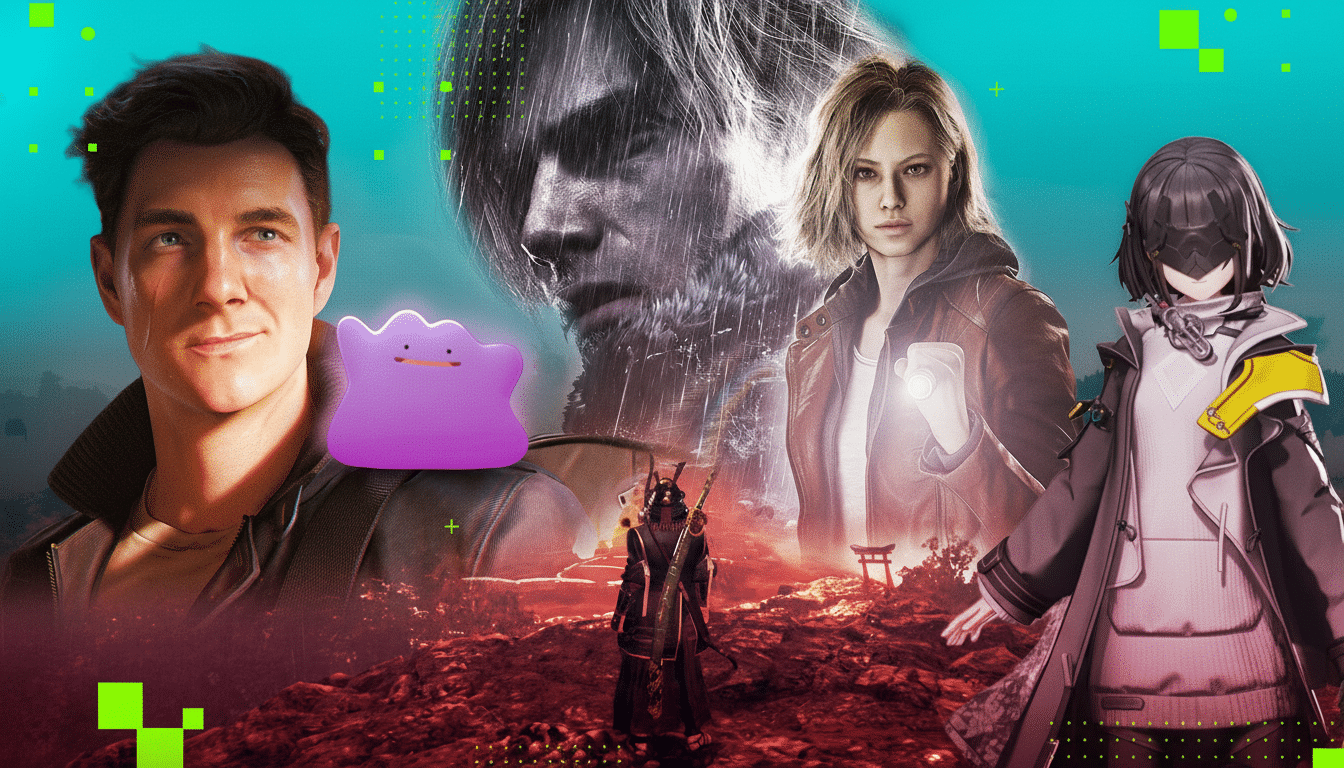
Open-world headliners shaping the 2026 lineup
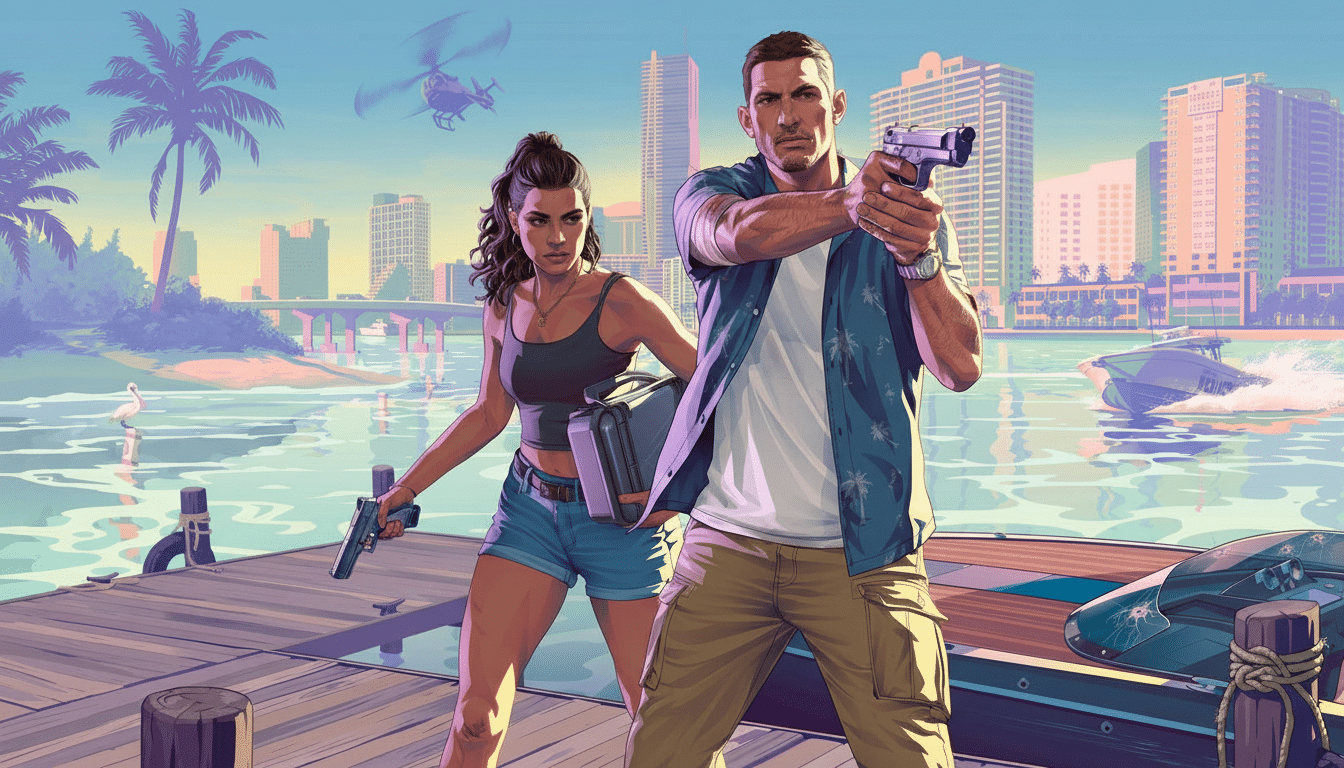
Grand Theft Auto VI is the juggernaut on player wish lists, returning to a neon-soaked Vice City with dual protagonists and a denser sandbox. Take-Two has repeatedly emphasized the franchise’s engagement power, and with Grand Theft Auto V having sold well over 190 million copies according to company reports, expectations for a generational leap are sky-high. Look for more systemic NPC behavior, creator tools built for short-form video, and social features that reflect how players actually inhabit these worlds.
IO Interactive’s James Bond: First Light brings the studio’s sandbox design to espionage, letting missions flex for stealth purists or action-forward improvisers. The developer’s Hitman trilogy proved that systemic levels reward replay, and Bond’s gadget-driven toolkit is primed for similar mastery. Meanwhile, Xbox Game Studios’ Fable returns to Albion with Playground Games’ tech chops powering a fairytale world that balances whimsy with modern action-RPG depth.
Racing fans should circle the next Forza Horizon set in Japan, with dense urban racing across Tokyo, winding mountain passes around Mt. Fuji, and a festival format built to showcase community-made events. Cohesive seasonal updates and strong accessibility options have made Horizon a broad-audience staple, and this setting is the series’ most requested.
Japanese RPGs and action masterclasses to watch
Square Enix’s Dragon Quest VII remake trades its classic look for a handcrafted diorama aesthetic, streamlining the time-hopping quest while honoring the jobs-driven core. Team Ninja’s Nioh 3 expands into a semi-open world with a dual-style combat system that lets you fluidly swap between deliberate samurai stances and agile ninja techniques, an evolution that should deepen build crafting without losing the series’ bite.
Sega’s Like a Dragon studio is modernizing Yakuza 3 with a full Kiwami-style overhaul and a new prequel chapter, a smart way to onboard newer fans invested since the franchise’s global breakout. Capcom’s Monster Hunter Stories 3 doubles down on turn-based tactics and creature bonding, offering a welcoming complement to the mainline hunts. Nintendo strategy diehards, meanwhile, have Fire Emblem Fortune Weave on the radar, with skirmishes that move between field battles and arena duels and a roster that nods to fan favorites.
Two intriguing wild cards: Game Freak’s Beast of Reincarnation, a stylish action-RPG set in a post-apocalyptic Japan that leans into precise parries and counters, and Ys X: Nordics — Proud Nordics, a definitive edition that refines ship combat and expands exploration across island chains.
Horror and survival make a comeback in 2026
Resident Evil Requiem pushes the series forward with a dual-protagonist approach that contrasts a veteran’s combat proficiency with a newcomer’s vulnerability, a structure that often yields richer pacing. Pathologic 3 doubles down on high-stakes survival and moral triage in a plague-ridden town, a design that has kept the series a cult favorite among narrative-first players.
Fatal Frame returns with camera-based exorcism, leveraging modern haptics and audio design to deliver the series’ uniquely intimate scares. Styx is back for a third stealth outing, with multi-path levels across gothic cities and airborne fortresses that reward patience, misdirection, and a thief’s toolkit of nasty tricks.
Competitive and co-op crowd-pleasers for 2026
Invincible steps into the fighting-game ring with stylish 3v3 tag combat, leaning into momentum, stage transitions, and big-character personalities. The lane for team-based brawlers remains wide, and Arc System Works’ pending Marvel Tokon Fighting Souls adds 4v4 chaos with the studio’s signature animation flair, a combination that should light up tournament streams.
On the co-op front, a new four-player shooter pits squads against a grotesque “Sludge God” horde with cross-play at launch, while The Duskbloods blends PvP and PvE inside a gothic arena where monster threats and human antagonists collide. Add Mario Tennis Fever on Nintendo’s next console, which builds a proper fighting-game meta around rackets, meters, and mind games, and you have a healthy competitive calendar.
Remakes, remasters, and retro revivals to expect
Tomb Raider: Legacy of Atlantis rebuilds the original globe-trotting adventure in Unreal Engine 5, preserving the exploratory tension while modernizing traversal and combat. Koei Tecmo’s Dynasty Warriors 3 Complete Edition Remastered updates character models and effects for a proper crowd-combat showcase, and Bandai Namco’s Tales of Berseria Remastered gives one of the series’ sharpest stories a second life.
Square Enix’s Final Fantasy VII Remake expands to more platforms with visual and performance upgrades, a smart move that broadens its audience between installments. Capcom’s long-gestating Pragmata also re-emerges with a focused mix of puzzling and third-person action that highlights the studio’s technical polish.
Platform notes and release strategy for 2026
Expect a bigger push for day-and-date PC releases, cross-progression, and robust performance modes as the console base continues to grow. Sony has reported PS5 lifetime sales past 50 million units, Steam concurrency keeps breaking its own records, and subscription services from platform holders are prioritizing consistent engagement over one-and-done launches. That mix influences everything from post-launch cadence to how difficulty and onboarding are tuned.
If you’re triaging the must-play list now, prioritize one open-world tentpole, one combat-focused RPG, and one co-op staple. That approach matches how most players actually split their time across genres, according to ESA and publisher telemetry. However 2026’s final calendar shakes out, the through-line is clear: more ways to play, more places to play, and more games with the craft to earn a permanent spot in your rotation.