


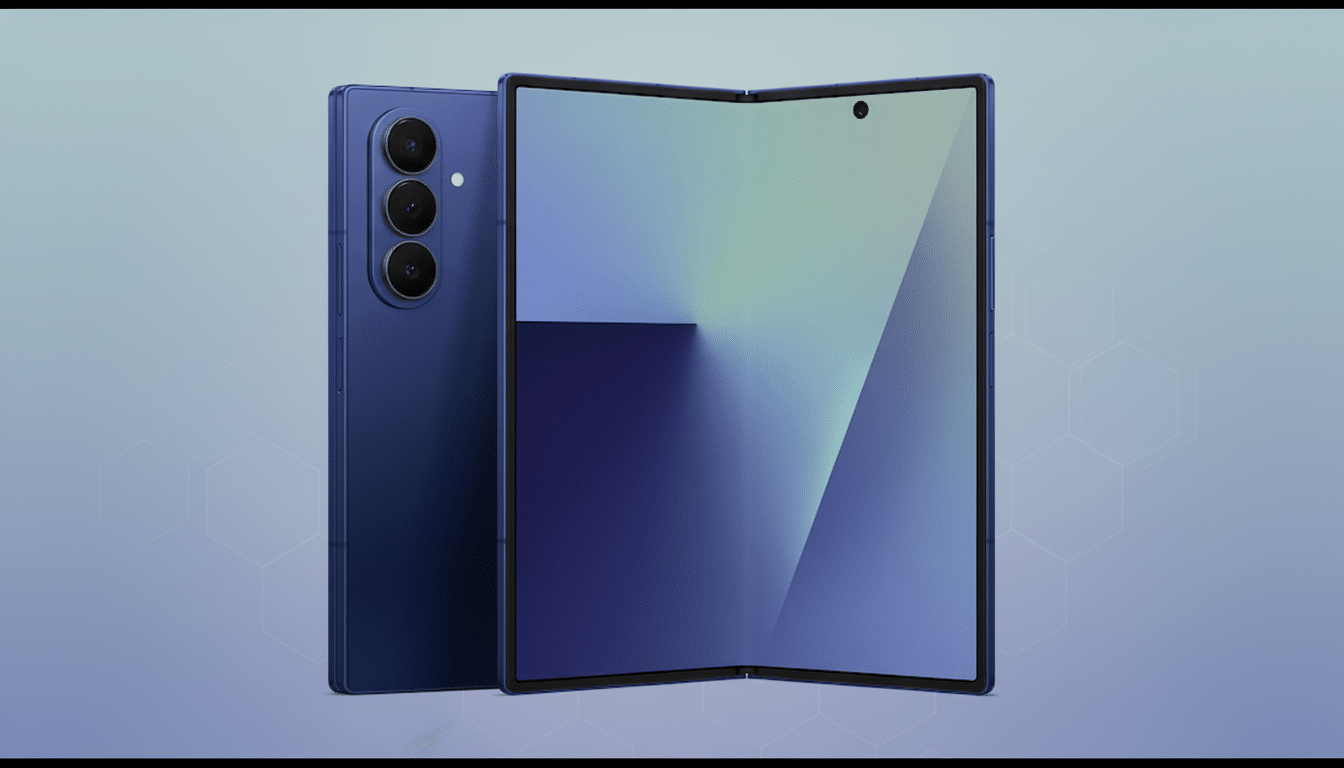
Two of the most desirable book-style foldables are on sale, at heavy discounts that edge them toward flagship-slab territory. The Samsung Galaxy Z Fold 7 falls to $1,599.99 thanks to a $400 discount, and the Google Pixel 10 Pro Fold slips to $1,499.99 after a $300 cut. If you’ve been holding out for the perfect time to make an upgrade, this is the type of pricing window that tends to shut relatively quickly.
Two Flagship Foldables at Great Discount
These deals, which are valid at major retailers such as Amazon, are often available in all colors on unlocked models. Given recent pricing trends, the Z Fold 7’s discount brings it down from a $1,999.99 list price, while the Pixel 10 Pro Fold deal echoes an MSRP of $1,799.99. While not all-time lows, they’re close enough to scratch that itch — especially if you can stack savings with trade-ins, carrier bill credits, or certain payment perks.
- Two Flagship Foldables at Great Discount
- How the Hardware Stacks Up Between These Foldables
- Performance and processing
- Memory and storage
- Displays and crease visibility
- Battery and charging
- Cameras and photography
- Durability and Design Considerations for Daily Use
- Software and AI Longevity Over the Coming Years
- Which Deal Suits Your Use Case and Priorities
If you’ve been on the fence, keep in mind that stock and sizes can move fast during deal cycles. When buying from the manufacturer there are occasional bonus credits or overvaluations for trade-ins, but those can be by region and account eligibility. Regardless of which path you take, check a store’s return windows and restocking policies before clicking through to the checkout.
How the Hardware Stacks Up Between These Foldables
Performance and processing
Performance is a key divider. The Z Fold 7 is powered by the Snapdragon 8 Elite for Galaxy, a best-in-class chip with great sustained performance and GPU power. Google’s Pixel 10 Pro Fold will be built on the Tensor G5 that emphasizes AI acceleration and smart workloads. In third-party testing over the last year, Snapdragon-class flagship phones usually just barely beat out Tensor in gaming and raw benchmarks, while Tensor’s strength is in on-device AI and camera processing.
Memory and storage
Memory and storage are also heavy multitasker friendly on the Pixel: 16GB of RAM and UFS 4.0 storage options leave plenty of headroom for split-screen work and a wide span of apps in your library. The Z Fold 7 marries its silicon with 12GB of RAM and fast UFS 4.0, which is still more than roomy enough for seamless multitasking in the real world.
Displays and crease visibility
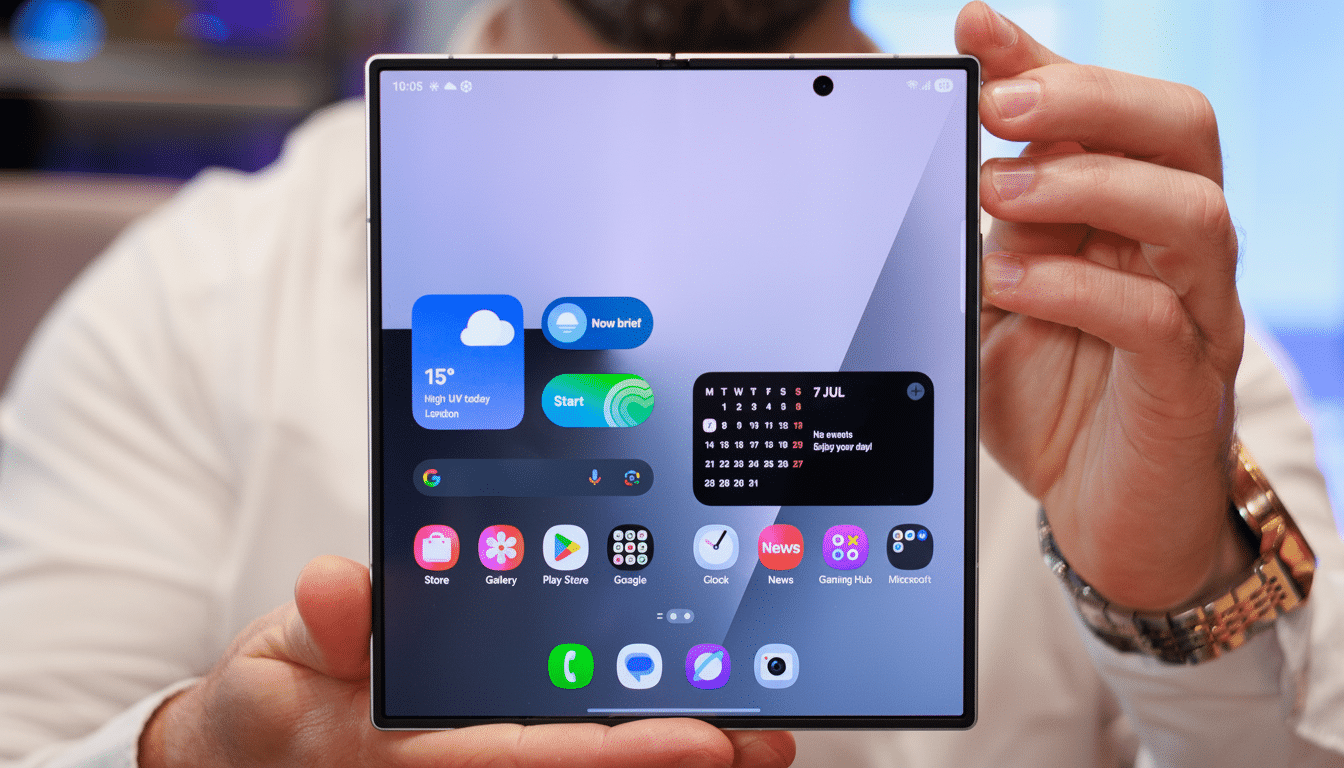
Displays are where both shine. Each has an 8-inch inner LTPO OLED panel for tablet-like apps, and a usable outer screen for one-handed tasks — 6.5 inches on Samsung, compared to 6.4 inches on Google’s. Resolutions are sharp on both: 1,968 x 2,184 for the Z Fold 7 and 2,076 x 2,152 for the Pixel. Samsung has been perfecting its hinge to help stem how apparent the crease is, something that’s mattered to longtime Fold users.
Battery and charging
Winner: Google. Battery and charging tilt toward Google. The Pixel 10 Pro Fold has a 5,015mAh pack with 30W wired charging and 15W wireless (Qi2), and the Z Fold 7 sports a smaller battery at 4,400mAh with 25W wired and 15W wireless. Real-world endurance will still depend on your app mix and screen time, but the Pixel’s larger cell provides it with a comfort cushion on longer days.
Cameras and photography
Cameras mark a philosophical split. Samsung leads with a 200MP primary sensor that’s flanked by second-tier 10MP and 12MP cameras, giving you all the detail you need for cropping flexibility. The Tensor-powered computational photography drives Google’s three-camera system to deliver dependable results in challenging light and low light. If you want hardware muscle, Samsung beckons; if software smarts and natural-looking processing enthrall, Google is tough to beat.
Durability and Design Considerations for Daily Use
The Pixel 10 Pro Fold’s IP68 dust- and water-resistant rating is a first for book-style foldables, which previously only offered water resistance in the form of an IPX8 rating. Its new hinge refinements also increase rigidity and reduces crease visibility. Observers such as Display Supply Chain Consultants have reported slow progress in hinge reliability and the durability of ultra-thin glass in recent generations, and both of these devices benefit from that work.
Software and AI Longevity Over the Coming Years
Now both brands say that they offer remarkably generous, up to seven years of OS upgrades and security patches, which will breathe far longer life into these devices than most carrier refresh cycles. Google’s foldable will have dibs on the latest Android features and Pixel-specific drops, while Samsung’s One UI has a wealth of multitasking tools and its Galaxy AI using abilities like camera-based edits and visual search. Whether you’re after a Pixel-first experience or Samsung’s deep integration into its ecosystem, both phones are packed with AI-forward features.
Which Deal Suits Your Use Case and Priorities
- Opt for the Z Fold 7 if you want Snapdragon-level mobile power, Samsung’s polished hinge and multitasking coolness, and close ties to Galaxy accessories.
- Choose the Pixel 10 Pro Fold if you like a bigger battery, IP68 dust and water resistance, 16GB RAM for extreme multitasking, and super-fast Android updates with Google’s computational photography.
Taking a broader view, market researchers at Counterpoint Research estimate that foldable shipments worldwide reached around 15 million units last year and foresee double-digit growth as prices drop and devices become more durable. The discounts, available for a limited time, are also in line with that trend. Especially if one of these foldables is well-suited for how you live your everyday, that’s a hard-to-pass-up window to make a buy before inventory or pricing changes.