


If you’ve been contemplating jumping from your current music app, you’re not the only one. Price increases, repeated pitches and a longing for improved audio or artist support have many people in the audience looking at the competition. The lion’s share of recorded music revenue worldwide now comes from streaming, the IFPI’s Global Music Report said, which means some serious alternatives have ripened past “nice to have” into genuine replacements.
Here, we’ve selected five standout services that take different approaches to music — some with an emphasis on discovery and video, some on fidelity, community or direct artist support.
- YouTube Music: Great for videos, remixes, and discovery
- Deezer: Human curation, Flow mixes, and CD-quality FLAC
- Tidal: Lossless audio, hi-res FLAC, and curated culture
- SoundCloud: Community, remixes, and fan-powered royalties
- Bandcamp: Buy music you own and support artists directly
- How to Choose the Right Music Service for You
All are available on Android, have strong libraries and come with a take that could suit your ears.
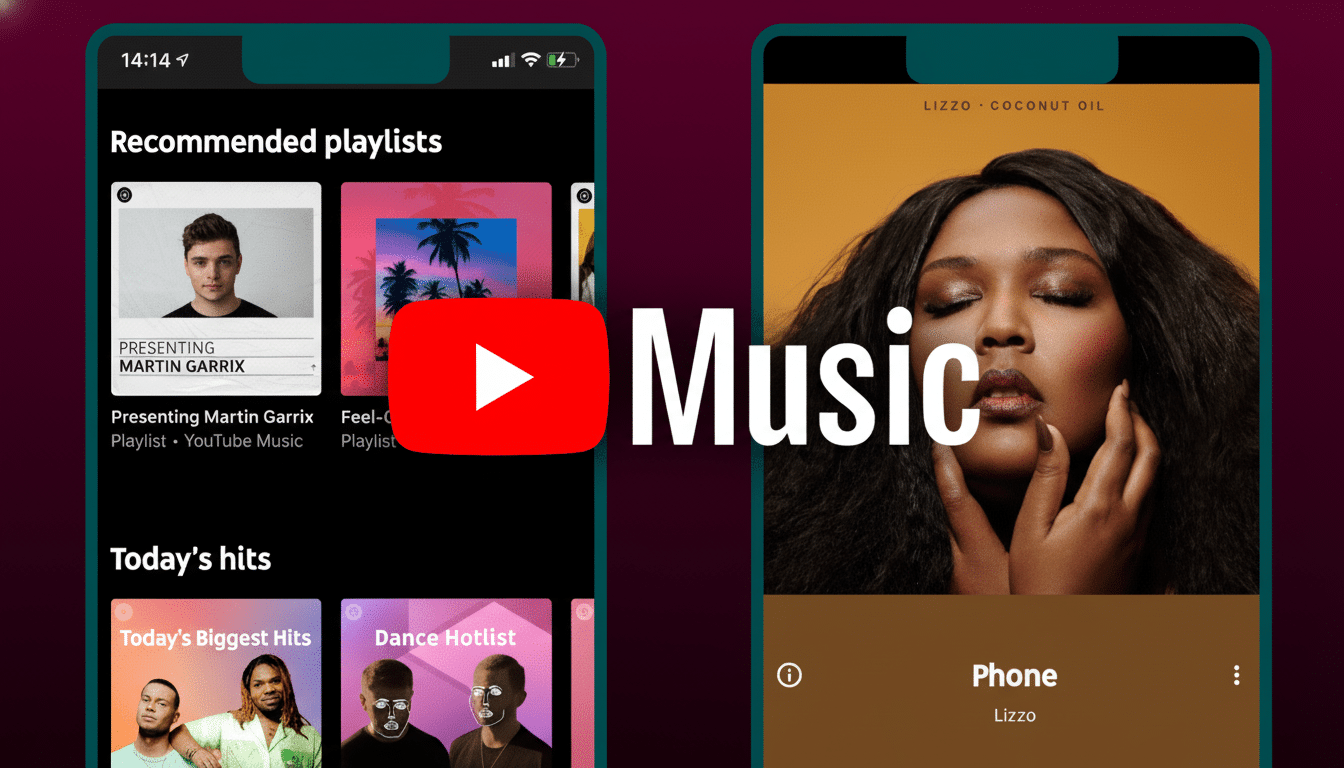
YouTube Music: Great for videos, remixes, and discovery
For fans who reside on music videos, live sessions and creator culture, it’s a natural pivot. A big attraction is a YouTube Premium bundle, which means the removal of video ads from everywhere on the site as well as background play and downloads in the music app. Google has reported that the combined services have more than 100 million subscribers globally, and you can feel it in discovery — official releases rub shoulders with remixes, covers and archival uploads that don’t exist elsewhere.
The app’s home feed easily brings up appropriate mixes, and it’s versatile with seamless transitions between audio and video, strong casting support, not to mention accurate lyrics.
There is a catch, though: in many regions, some features such as true background listening are paid-only. If you spend as much of your time consuming performances as streaming albums, this is the most self-contained ecosystem.
Deezer: Human curation, Flow mixes, and CD-quality FLAC
Deezer is notable for editorial curation that feels human and for its original Flow feature, an endless soundtrack that evolves as your music tastes change rather than endlessly repeating the same hits of the past month. Its updated Samples feed offers catchy, swipeable snippets for discovering new tracks, and SongCatcher can tell you what’s playing around you without downloading a separate app.
Audiophiles receive CD-quality FLAC streaming with the HiFi tier, and the catalog includes all the major labels plus a strong selection of regional music.
Pricing tends to run in line with industry leaders, and trials are prevalent. If you also want attention to smart algorithms, well-curated playlists, and consistently good audio quality, Deezer is a no-brainer.

Tidal: Lossless audio, hi-res FLAC, and curated culture
Tidal made its reputation on sound and still appeals to listeners who care about bit rates and masters. You’ll also get lossless streaming and high-resolution FLAC up to 24-bit/192 kHz, as well as support for immersive formats like Dolby Atmos and 360 Reality Audio on compatible devices. And even if your headphones max out at CD quality, the mastering and headroom often add up to a cleaner, more dynamic listen.
But beyond fidelity, Tidal’s programming skews toward hip-hop, R&B, and global-leaning with bold editorial series and artist spotlights like Tidal Rising. Transparent credits, detailed album notes and high-caliber videos add the kind of context that algorithm-only platforms often eschew; if your thing is premium sound with some heft behind the curation, this is your lane.
SoundCloud: Community, remixes, and fan-powered royalties
And if your playlists tend toward the underground — bedroom producers, remixes, scene-driven microgenres — there’s no comparing SoundCloud’s feeling of life to mainstream options that most listening platforms don’t. Time-stamped comments transform tracks into conversations, and community signals let you see what’s up-and-coming before it hits the charts. The fan-powered royalties model that SoundCloud launched in recent years puts your subscription money in the hands of the independent artists you actually stream.
Listener plans are usually cheaper than the brand-name ones, so it’s more affordable than doing by-the-book exploration. The trade-off is that some monster titles never show up or arrive late, so it makes the most sense if discovery and community are your focus. For makers and crate-diggers alike, it’s a mother lode.
Bandcamp: Buy music you own and support artists directly
Bandcamp isn’t a subscription service — it’s a marketplace where you can buy digital albums, tracks and even vinyl (you can only stream the purchases within the app). It’s a real boon to artists, with Bandcamp saying on average 80–85% of every sale goes to musicians and labels — after fees — while its regular Bandcamp Fridays have seen millions funnel directly into creators’ bank accounts.
With editorial features, genre hubs, and community wishlists, it makes discovery quite rich (especially for indie, electronic, metal, jazz and experimental music). It’s never going to truly replace a lean-back streaming habit, but combining Bandcamp with a subscription app buys you ownership and better payouts for artists — as well as a library that can’t disappear overnight.
How to Choose the Right Music Service for You
Match the platform to your lifestyle. If you watch as much as you listen, then YouTube Music is the better choice. If it’s human curation and consistent, CD-quality audio you’re after, go with Deezer. Tidal, if your gear and ears require high-res. If you want to browse and discover, SoundCloud has the edge. If you want your money to go straight to the artists, create a Bandcamp collection.
One good thing is that migrating is now a lot less painful than it used to be — playlist transfer tools such as Soundiiz and TuneMyMusic can shift most of your library in minutes. Before you commit, scout out basics like offline downloads and background play on Android Auto or smart speakers. And if you’re tempted to settle for the pleasure of a new story, try out most services with trials before A/B testing and picking whatever creates joy when listening, not just another habit.