


The Early Prime Big Deal Days are already making waves when it comes to the prices of displays, and we’re not even (officially) in the main event yet. If you’ve been waiting to invest in a new monitor for gaming, creative work, or a better home office setup, these discounts are definitely not something to sneeze at. The sweet spot ranges from fast 1440p panels to creator-grade 4K screens with USB-C hubs and ever-more affordable OLEDs.
In general, electronics experience an average discount during major shopping holidays in the mid-teens percentage-wise, Adobe’s holiday pricing look-back analysis and deal trackers like CamelCamelCamel or Keepa suggest, but monitors tend to see cuts materially deeper than average. And with OLED monitor shipments expected to nearly double year over year, according to TrendForce, competition is driving premium technology into more accessible price brackets.
What It Means and How It Feels Like a ‘Real’ Monitor Deal
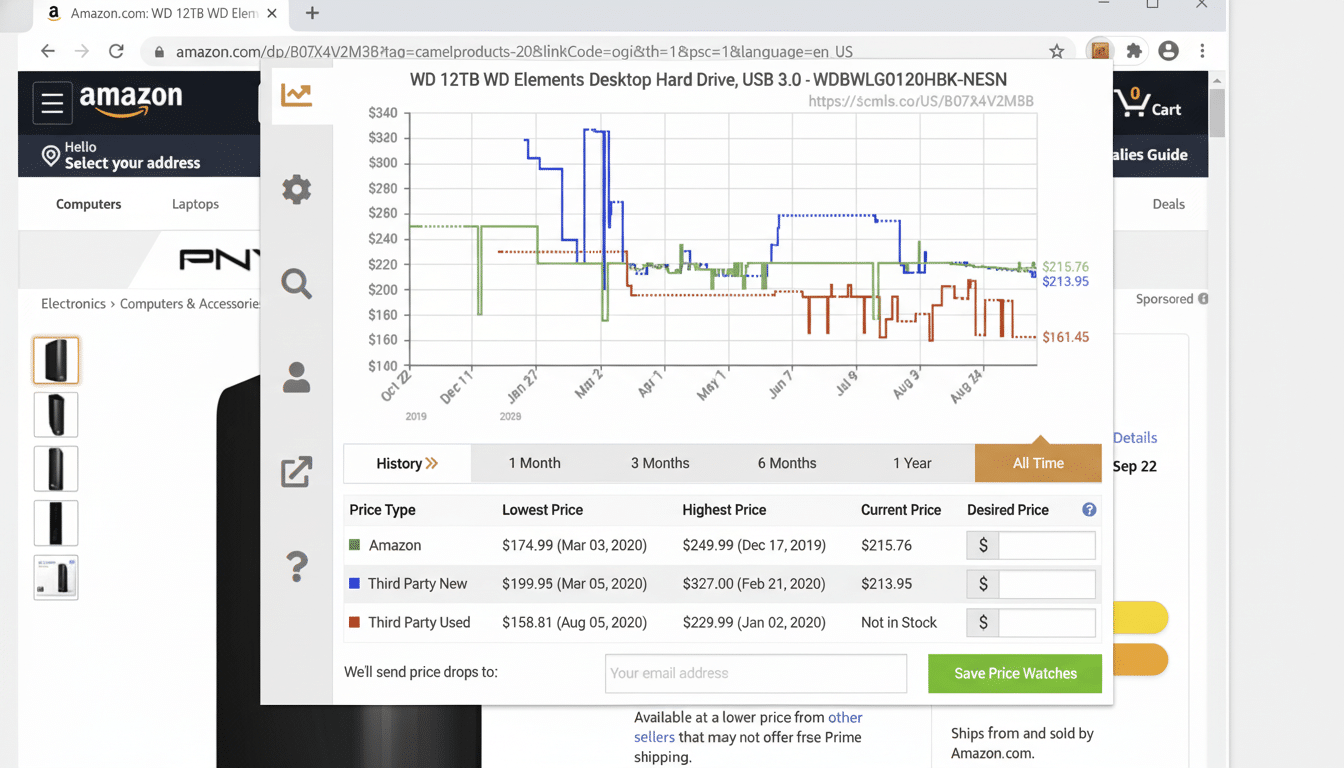
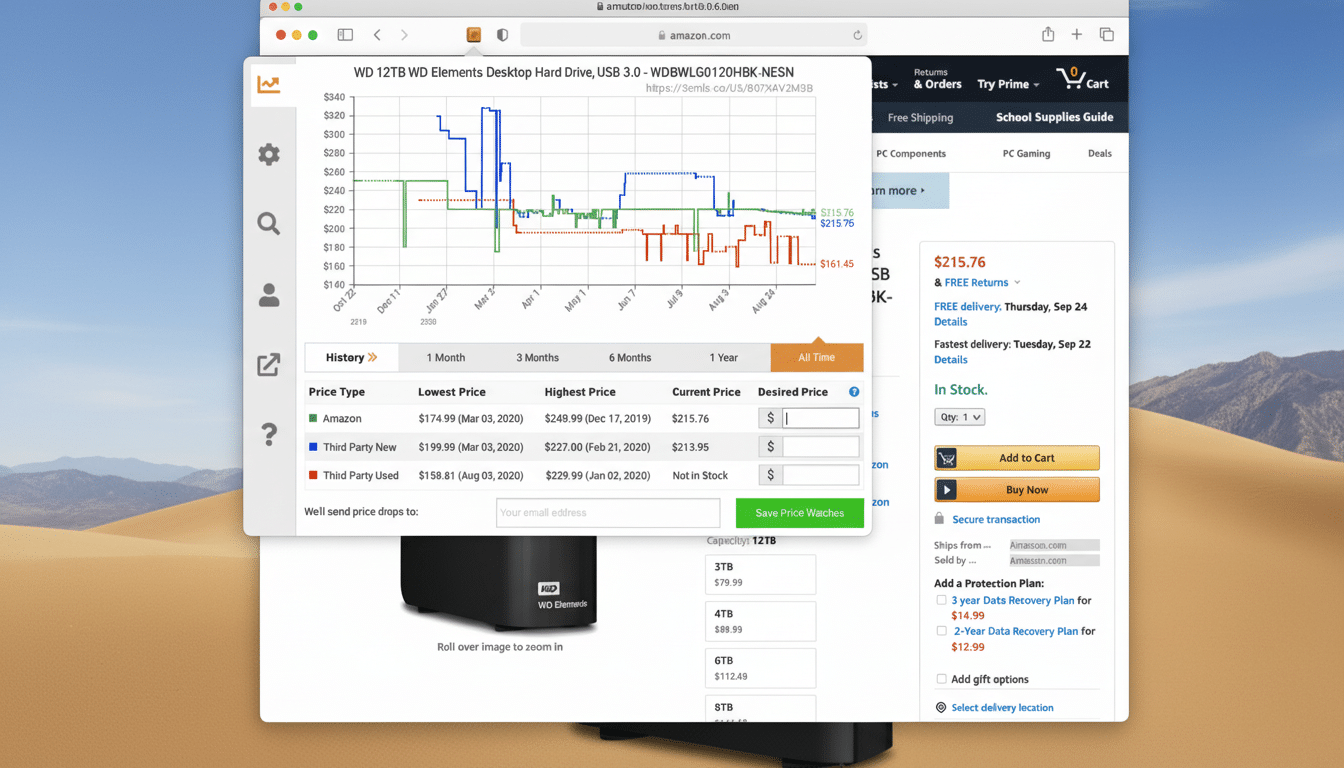
Consider the price history, not just the percent-off badge. A “deal” should be on top of the model’s 60- or 90-day average, not just its inflated list price. In this kind of environment, the tools that track historical lows offer a way to separate real deals from marketing fluff.
Let me know the exact panel and model year you have. One 27-inch “1440p 240Hz” could be amazing, another mediocre — in the sense of whether it’s fast IPS versus VA or OLED. If you want hard numbers to go by, seek out VESA DisplayHDR certifications (there are multiple levels, starting with HDR400), VESA ClearMR blur ratings, and confirmed variable refresh rate support (such as AMD FreeSync Premium/Pro and NVIDIA G-SYNC Compatible).
Factor in total platform value. A USB-C monitor with 65W–96W of power delivery, a built-in KVM, and a solid ergonomic stand to make it easier to position the screen can take the place of a dock and declutter your desk. That saves money and ports, particularly for hybrid workers using modern laptops.
Early Standouts by Use Case for Today’s Monitor Deals
1440p high-refresh gaming: This is where 27-inch, high refresh rates are the performance-per-dollar leaders right now. Fast IPS options from Asus and MSI have brought response times down, while OLED models such as those found in LG’s UltraGear lineup add inky blacks and near-instant pixel transitions. If you split your time between esports and single-player stunners, the sweet spot right now is 1440p/240Hz.
4K productivity with a one-cable desk: Look for sizes between 27–32 inches and look for IPS panels and 90%+ DCI-P3, accurate sRGB modes at the very least, as well as USB-C with over 65W charging. “Top picks from Dell, HP, and Lenovo tend to package a USB hub, Ethernet pass-through, and KVM — perfect for hot swapping between laptop and desktop while trying to avoid spaghetti cable mess,” wrote Electromatics.
QD-OLED and OLED for HDR gaming: 27–32-inch 1440p/4K OLEDs have been falling hard during major sales. 32-inch 4K 240Hz QD-OLED panels do great HDR with wide color and fast response, while 27-inch 1440p OLEDs are pushing elite motion clarity at less-outrageous prices. Look for burn-in prevention functions and several years of panel warranties.
Ultrawide immersion: 34-inch 3440×1440 IPS/VA offerings still hold down the value lead for multitaskers and sim racers, while 49-inch super-ultrawides have been undercut recently at major events. Value curvature (1000R–1500R for wraparound immersion), a minimum 120Hz refresh, and reliable VRR all the way.
Portable travel monitors: 15.6–16-inch USB-C displays with either 1080p or 1440p resolution are seeing regular discounts. For on-the-go gaming, 120–144Hz refreshes do help, but make sure the brightness is over 300 nits for outdoor seating or dim hotel rooms. A folio case that also serves as a stand is a minor but pleasant quality-of-life extra.
Key Monitor Specifications That Matter Most in 2025
Refresh and response: 240Hz is the new normal for competitive play at 1440p, while OLED gives the cleanest motion. Fast IPS is still the best compromise between color accuracy and speed. Check for manufacturer gray-to-gray claims versus independent tests wherever they can be found.
Color and accuracy: Creators should look for 10-bit (8-bit+FRC is typical), 95%+ DCI-P3 coverage, factory calibration reports, and uniformity compensation on premium models. Hardware calibration is a plus, via the vendor’s software, for color-critical work.
Connectivity: USB-C with DisplayPort Alt Mode and 65W power delivery enables hassle-free connectivity to multi-display setups. HDMI 2.1 is critical for current consoles outputting at 120Hz, while DisplayPort 1.4/2.1 is key to high-refresh gaming on a PC in QHD and up to 4K. A built-in KVM and multiple downstream USB-A ports can turn the monitor into a docking hub.
HDR truth: Full-fledged HDR requires high peak brightness and proper local dimming. OLED and QD-OLED offer “True Black” depth; high-end mini-LED IPS panels can get close with FALD zones. You want VESA DisplayHDR 600 or better to make a difference in games and movies.
Buy Now or Wait? A Smart Strategy for Prime Day Deals
If the model you want happens to be at or near its 90-day nadir and meets your criteria, go ahead and buy — inventory-driven spikes are more likely closer to the main event. IDC does say that the wider monitor market has been reaching a new equilibrium after the pendulum swings of the pandemic, so prices might waver fairly quickly as vendors get channel stock back to normal.
Therefore, if you’re narrowly focusing on a halo product (imagine a 32-inch 4K 240Hz QD-OLED), the more vigilant your watch list should be. These flagship panels are inclined to drop in short intervals and then ever so slightly bounce back. Another option: Set trough alerts on several retailers so you don’t miss out.
Be sure to check return windows, panel warranty terms (especially for OLED), and whether or not dead pixels are covered. A more expensive listing from a store known for better after-sales service might actually be the better “deal” in the long term.
Bottom Line: Where (and What) the Value Is Today
Be on the lookout for 27-inch 1440p 240Hz fast IPS gaming monitors, 27–32-inch USB-C productivity panels at 4K with integrated hubs, and first- or second-gen OLEDs at newly aggressive pricing. Confirm actual savings with price history, prioritize the specs that matter to your workflow, and pounce when a trusted vendor hits a verified low. Your next great screen is out there, and it’s already on sale — you just need to know the lingo and what makes a good one.