


Apple’s 2025 lineup introduces evolution rather than revolution, but the details between models matter all the more when you live with them. If you’re trying to figure out which Apple Watch you should buy this year, the appropriate choice depends on your expectations for battery life, health features, and display size — as well as how much money you want to spend.
Apple is still leading the way when it comes to smartwatches — Counterpoint Research has long rated it at or near the top in shipments, so even the entry model is powerful. Here, I parse who should buy the Apple Watch SE 3, Series 11, Ultra 3 — and why last year’s Series 10 still stands as a smart value in 2025.
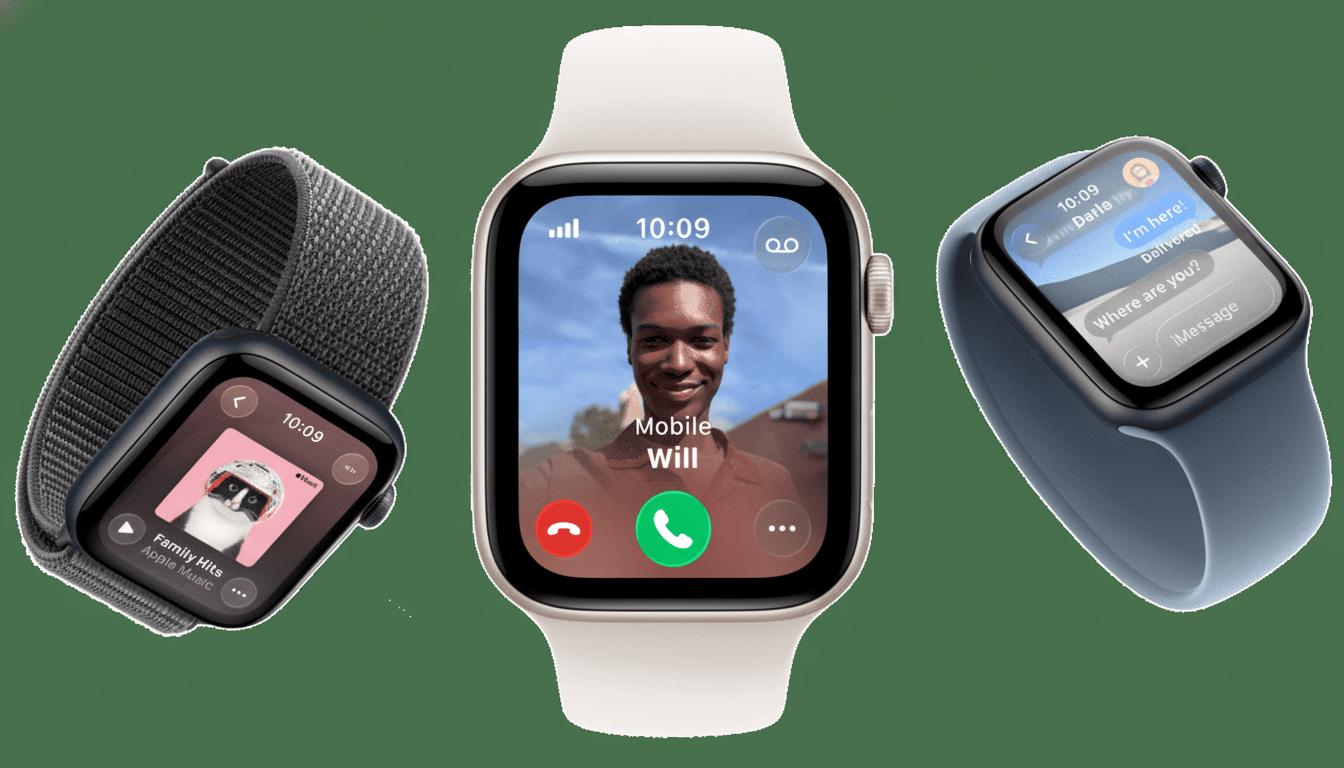
Apple Watch SE 3: Best for First-Time Buyers
If you’re fine doing without extras that divers don’t need, the SE 3 is your sensible entry point for core fitness and smartphone features without overpaying. It delivers Apple’s newest S-series performance in a watch that is more approachable with just the essentials — activity rings, GPS you can count on, fall detection and crash detection, as well as cycle and sleep tracking.
Look for all-day battery life rated around 18 hours — a full day and enough to track your workday, gym session, and a night of sleep if you top up in the evening. You’re not going to get fancy sensors such as an ECG or blood oxygen, but you will receive irregular rhythm notifications and other new software features (including sleep apnea risk indicators) through watchOS 26. These are wellness aids, not medical diagnoses, a distinction that is made clear by groups like the American Heart Association.
Who it’s for: First-time smartwatch wearers, kids and teens using Family Setup, or cost-conscious buyers who want reliable fitness- and safety-tracking features without the bulky size of larger models.
Best for Most People: Apple Watch Series 11
The sweet spot is the mainstream Series 11. It brings a more durable screen and a welcome half-day or so of battery life beyond the typical 24 hours, extending even further if you add Low Power Mode. As a daily health tracker, it’s the most all-encompassing: heart rate warnings, ECG for atrial fibrillation screenings, and temperature-based insights into your cycle along with detailed workout metrics.
If you are coming from a Series 8 or earlier, the improvements are plain: brighter screen, quicker chip, longer stamina, and more recent safety tools. It’s also the right choice for smaller wrists that consider the Ultra’s case to be overwhelming. For most people who want to wear a watch all day and all night, opt for this one.
Who it’s for: Upgraders from older models, users with a focus on health and seeking deeper metrics like the ECG or better sleep-tracking options, and someone looking for a well-rounded wearable that isn’t oversized.
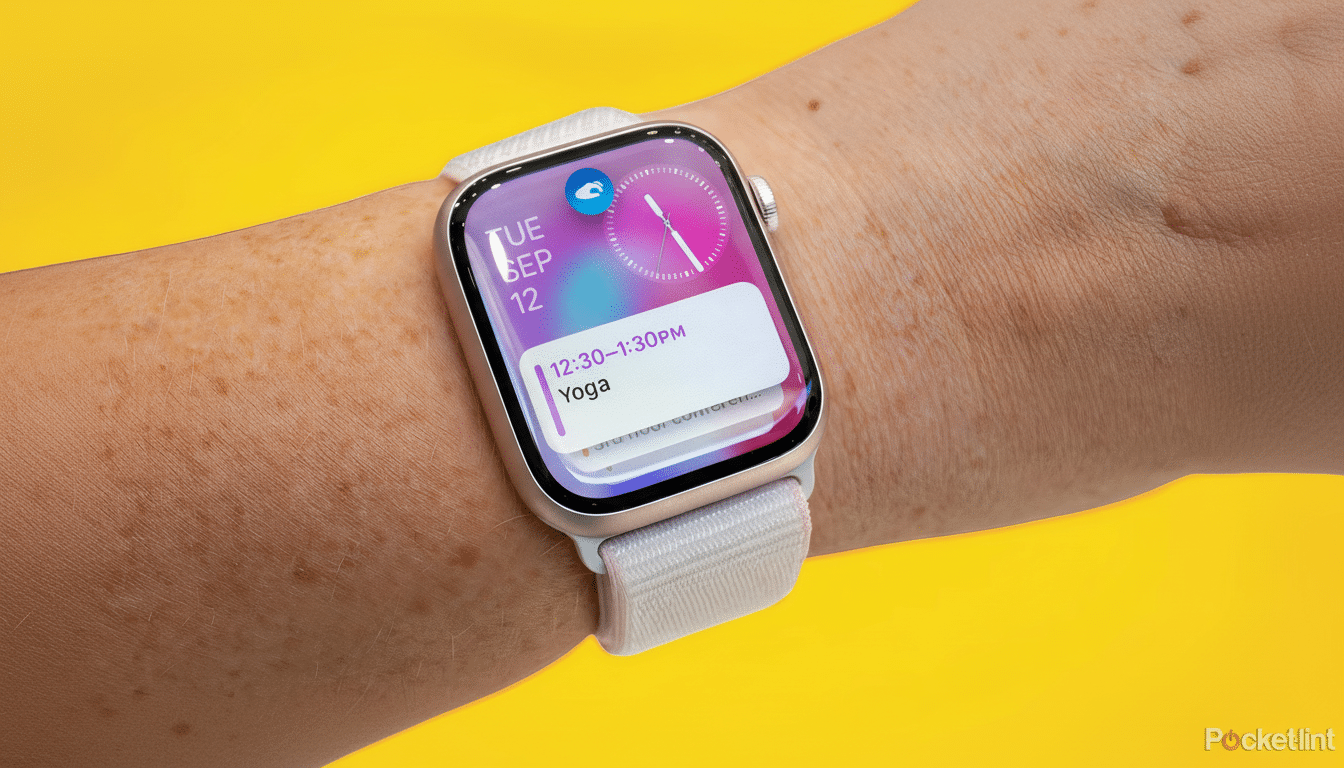
Apple Watch Ultra 3: Best for Adventurers and Pros
Ultra 3 is the do-everything model: the biggest and brightest display, the longest battery life in the lineup, a tough titanium construction, and pro-grade fitness and navigation features. Dual-frequency GPS is more accurate in cities and mountains; it serves as a capable companion for diving and open-water (that is, non-pool) swimmers with its depth and water-temperature sensors.
Off-grid capabilities, such as the ability to request emergency help via satellite in supported areas, make Ultra 3 of interest for hikers and endurance athletes who train outside cell coverage. The trade-off is size, weight, and price. If you prefer a lighter style of watch or wear long sleeves every day, try it on first.
Who it’s for: outdoor adventurers, power travelers, divers, and endurance athletes who are looking for the most battery life and durability available combined with all of Apple’s premium sensors.
Apple Watch Series 10: Best Value Pick in 2025
Last year’s Series 10 is still a smart buy to snap up while shops have stock. It gets many of the same software features as those found on the Series 11 with watchOS 26, such as improved safety tools and new workout views. You’ll lose some battery stamina compared to the newer Series 11 and the most recent display durability, but in day-to-day use it’s a surprisingly small gulf.
Who it’s for: bargain hunters who don’t require the longest battery life, daytime users willing to charge before bed if tracking sleep, and anyone content with top-notch features at a lower price.
How to Pick the Right Apple Watch for Your Needs
- Match battery to use: SE 3 is a one-day watch, Series 11 easily runs over a day, and Ultra 3 extends even longer — like overnight — in Low Power Mode. If you’re an endurance athlete or do multi-day treks, begin with Ultra 3.
- Choose only the health features you will use: ECG and more advanced training metrics signal Series 11 or Ultra 3. If all you want is activity rings, notifications, and safety, SE 3 provides that.
- Size and comfort matter: When all else is equal, tiny wrists are likely better suited for SE 3 or Series 11 cases. The Ultra 3’s screen is great for maps and data-dense workouts, but it has a big footprint.
Finally, longevity matters. Apple usually services models with software updates for years, and third-party health groups continue to find that wearable metrics are useful tools when it comes to heart rhythm screening and physical activity. Which is why there’s even a rationale for the value pick in 2025; it’s because value reflects not just the hardware but also its platform.