


Bavaria is the largest state in Germany, located in the Southeast. Over 50.6% of Bayern’s population is female, who play a major role in preserving the rich culture and traditions of the region for centuries. Whether it’s about dirndls, shared duties, or active participation in the calendar round folk festivals, the role of the Bavarian women cannot be overstated. Women are open to new fashion adaptations in heritage as they recognize their importance in gaining acceptance from new generations.
What is Bavarian Culture Like?
The Bavarian community is selfless, hardworking, and friendly. The culture lives on a simple philosophy: “Leben und leben lassen” (live and let live). This mission statement is highlighted in their social gatherings, folk festivals, and everyday life.
- What is Bavarian Culture Like?
- Major Bavarian Cultural Events Promoting Women’s Dirndl
- Munich Oktoberfest- The Star of the Bavarian Heritage
- Maypole Festivals
- Viehscheid: The Return of the Cattle
- Other Appearances of a Dirndl Dress
- Bavarian Designers Keeping Up with the Modern Fashion Interpretations
- Discouraged Fashion Adaptations in Bavarian Fashion
- Conclusion
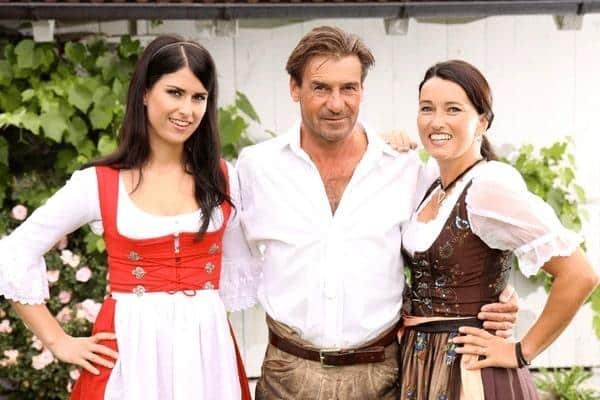
Another major highlight of Bavarian culture is their “Tracht,” which refers to Lederhosen and Dirndl. Women play a major role in keeping the traditions alive, be it by adopting the heritage, portraying a noble image, or promoting the outfit on global stages.
Bavaria’s strong catholic roots drive many traditional festivals, and in a way, these make dirndl the talk of the town. Church ceremonies, Maypole Day, baptism, Oktoberfest, and village saint day all have a high number of women attendees dressed in the dirndl.
Major Bavarian Cultural Events Promoting Women’s Dirndl
The native Bavarians always think highly of their cultural values to the extent that they believe in a “Bavarians first, Germans second” concept. All the major folk festivals highlight the dirndl, bringing it to global conversations due to the large tourist population. Bavaria has a low crime rate, and solo women travelers never miss a chance to visit the largest Oktoberfest or similar events in Munich. These are the prime places to spot the dirndl and promote the culture.
Munich Oktoberfest- The Star of the Bavarian Heritage
Oktoberfest happens around September and October annually in Munich. The festival has similar carbon copies around the world, particularly in the US, but the original one is in Bavaria. Oktoberfest welcomes millions of visitors every year. The official dress code for women is a dirndl, from the guests to the barmaids. The outfit has a skirt, blouse, and an apron at the top. In Bavarian culture, women represent their relationship status via the apron bow placement.
The old traditions of the 1900s such as longer dirndl skirts, modest necklines, and flattering blouses, are more common at the festival. This depicts the true Bavarian women’s culture.
Maypole Festivals
On May 1st, villages across Bavaria celebrate spring by decorating wooden maypoles. This tradition dates back to the 16th century. Women sing, dance, and celebrate the event dressed up in the tracht. They accessorize the traditional outfit with floral headbands, ribbons, and other colorful add-ons. Maypole festival has a modern interpretation of the dirndl dress as well, with mini dirndls more popular than the traditional long skirts.
Viehscheid: The Return of the Cattle
The Bavarian community celebrates Viehscheid for the safe return of cattle from summer mountain pastures in the Alps. The festival has an active participation from the women as they help in the processions and also lead the cattle walk. The festival is a community affair with a large representation of women dressed in the Bavarian dirndls.
Other Appearances of a Dirndl Dress
Women dress up in a dirndl for many other folk festivals such as the Fasching, Cannstatter Wiesn, or costume parades. Catholic sermons, religious gatherings, baptism, and Christmas festivities all serve as a chance for women to promote Bavarian cultural values.
The broadcasting and social publishing of these events make the dirndl a universal sensation. Dirndl online stores are set up now in the US, Canada, and many regions across the world due to the increasing demand for the outfit.
Bavarian Designers Keeping Up with the Modern Fashion Interpretations
Bavarian designers, especially the women-oriented designers, play a notable role in keeping the traditions alive and relevant for all generations. In the past, the “Designers update the Bavarian look with a twist” published as a headline in The New York Times sparked many controversies, especially in the cultural chauvinist and zealot groups. However, over time, the outcomes only worked in favor of Bavarian culture, as the tracht, once limited to maidservants, was being discussed among high-end conversations and events.
Some of the top brands/designers that presented the concept of “hybrid” dirndls (keeping the traditional aspects but with a contemporary touch) include:
Dirndl Online Shop: The Dirndl online store in the US is a German woman-led initiative to promote the dirndl among the international community. The brand collection features modern cuts, styling, and fabric choices, but the tracht roots are still preserved as such. The brand instilled a behavioral change with their wedding and other festive dirndls as people started wearing the outfit outside of the folk festivals.
Lola Paltinger: She is a famous German designer who recognized the need for democratization so that the dirndl dress could be adopted by the younger generations and international visitors. She contributed to keeping the traditional Bavarian outfit relevant among the broader population, rather than it being an outdated custom. Her designs were even worn by Hollywood media personalities like Kim Kardashian.
CocoVero: This is another Munich label that works on the fusion of traditional elements with modern fashion adaptations. It sensibly merges high-end fashion and Bavarian culture with younger women as a major client base. The brand features dirndls made of wool, velvet, and jacquard, so they can be worn at birthdays, weddings, and other special occasions, not just at Oktoberfest.
Discouraged Fashion Adaptations in Bavarian Fashion
Bavarian culture, despite being open to the fashion updates, still has some forbidden aspects. The locals look down on the outfits that are more of a costume than a tracht.
The original dirndl was a midi-length skirt with an apron and blouse. The variations ended up making it into three different lengths: mini, midi, and long dirndls. Midi dirndl is a discouraged choice at folk festivals due to its revealing style. Similarly, any bodice or neckline that’s too revealing isn’t culturally acceptable.
Dirndl is accessorized with the traditional elements like Bavarian shoes, loferl socks, and cross-body bags. Wrongly depicting the outfit with vibrant jewelry and accessories that overemphasize the authentic look is also strongly discouraged, as the dirndl itself should always remain the star of the show.
Conclusion
Women play an important role in preserving Bavarian culture and representing it to the world. Women have a strong representation in associations like Trachtenverin that work to keep the heritage alive. All the major folk festivals like Oktoberfest, Maypole Day, religious sermons, weddings, and themed parties all present a chance for women to wear a dirndl and stay connected to their roots.