


Bad Bunny’s blockbuster Halftime Show seized the cultural spotlight, while X—the platform long synonymous with real-time sports chatter—appeared to stumble at the moment it mattered most. As the performance ignited second-screen fervor, users reported troubles with core features on X, undercutting the live conversation brands and fans count on during the game’s biggest segment.
Second screens surge during the halftime window
Live sports remain appointment viewing, but the modern audience watches with a phone in hand. Halftime historically drives the game’s most intense bursts of social activity, as viewers rush to post clips, react to surprise guests, and weigh in on setlists and staging. In 2023, for instance, Rihanna’s Halftime Show drew one of the game’s largest minute-by-minute TV audiences, according to Nielsen, and catalyzed a tidal wave of social posts and searches that dwarfed much of the in-game chatter.
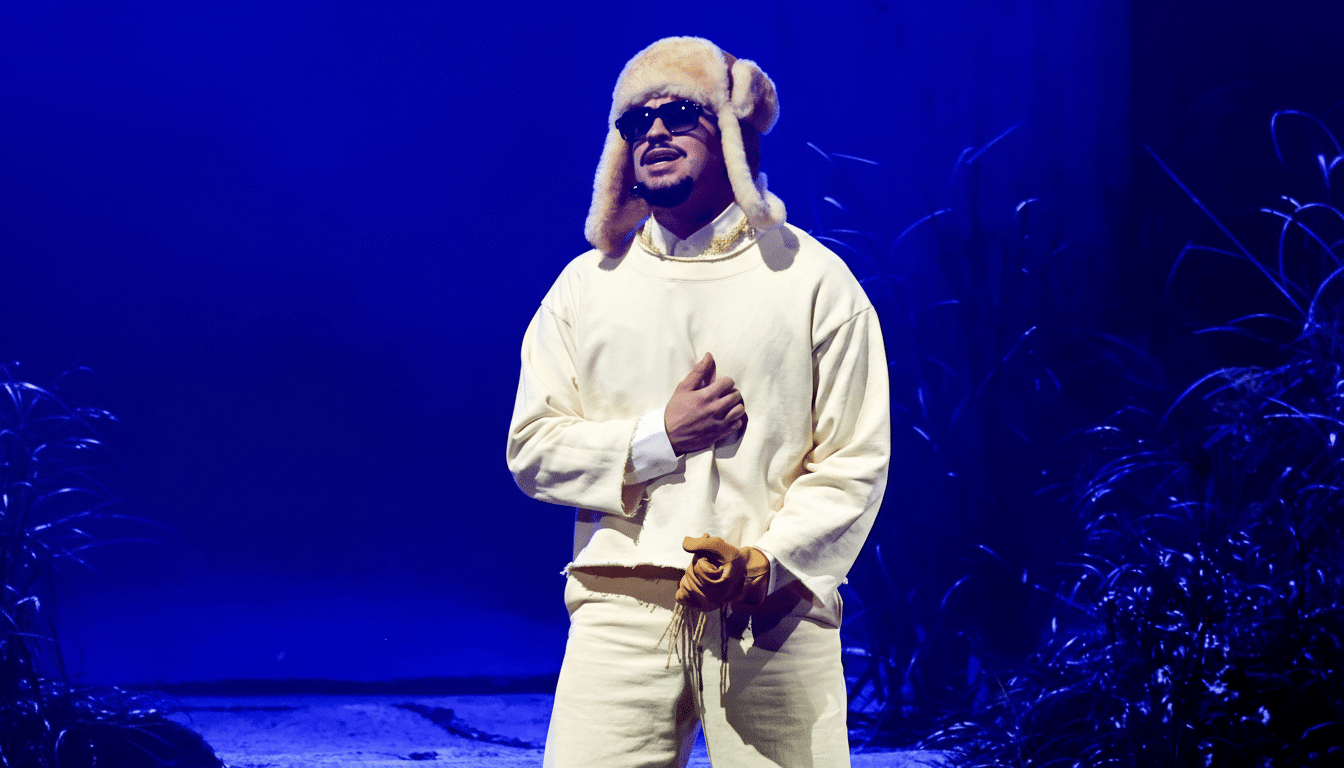
That dynamic is exactly why platforms compete so aggressively for event-time attention: the Halftime window is short, euphoric, and incredibly monetizable. When the social backchannel hiccups, it doesn’t just frustrate fans—it disrupts the live flywheel of memes, highlights, and branded tie-ins that make these moments echo for days.
Users report glitches on X during halftime spike
During Bad Bunny’s set, users on X shared complaints about timelines failing to refresh, trending lists freezing, searches timing out, and videos stalling. Outage tracker Downdetector showed elevated incident reports in the same window, suggesting a platform-side strain rather than a connectivity issue on the user end. While not a full-scale outage, the hiccups were enough to slow the real-time rhythm that has historically distinguished the platform.
X did not immediately provide a detailed postmortem, but the pattern tracks with the pressures of a massive concurrency spike: sudden surges in posting, video playback, and search queries hitting the same few minutes. Engineers often pre-scale capacity for tentpole events, yet short, viral intervals still represent a worst-case stress test, especially for video and discovery surfaces that require rapid indexing and caching.
The timing carried an extra layer of irony. Parts of X’s more conservative cohort had criticized the choice of Bad Bunny and promoted an alternative “halftime” stream elsewhere. Yet across the broader media ecosystem, his performance dominated the conversation—just not as fluidly on X as many advertisers and creators would have hoped.
The stakes for ads and brand conversation
For marketers, halftime is the live internet’s equivalent of a lightning-in-a-bottle opportunity. Brands schedule promoted posts to land within seconds of headline-making moments. Creators cut rapid-fire clips. Sportsbooks update lines in real time. If the primary town square jitters during the peak, impressions and engagement can miss their window by minutes—which, in live media, might as well be hours.
Reliability concerns arrive amid ongoing scrutiny of X’s business climate. The company has wrestled with brand-safety controversies and a shrinking ad roster over the past two years, as reported by outlets such as Reuters and the Financial Times, even as it pushes deeper into video and live programming. Event integrity—ensuring the platform works flawlessly when the world shows up at once—has become a central pillar of its pitch to advertisers wary of volatility.
Why Bad Bunny was built for this global stage
Bad Bunny’s gravitational pull helps explain the attention spike. He was Spotify’s most-streamed global artist three consecutive years through 2022, and his 2022 World’s Hottest Tour became the highest-grossing tour ever by a Latin artist, eclipsing $400 million in reported grosses per Billboard Boxscore. That audience isn’t just massive—it’s young, diverse, and hyper-social, precisely the demographic the NFL has been courting with bilingual and global talent since the Shakira and Jennifer Lopez show galvanized international buzz.
His set distilled the streaming era’s center of gravity: Spanish-language anthems, genre-fluid production, and arena-scale showmanship. For platforms, those ingredients are rocket fuel. Millions of viewers clip, caption, and remix in the moment, and any friction—buffering, stale trends, or dead-end searches—translates directly into lost reach.
What comes next for X and high-stakes event moments
X will likely point to the sheer load of a global tentpole as a mitigating factor. Still, the bar for real-time reliability has only risen as TikTok, Instagram, YouTube, and Snapchat build ever-faster creation tools and recommendation engines that reward instant reaction. If X wants to remain the default second screen for sports, it must demonstrate that its discovery, video, and ads machinery can absorb spiky demand without visible stumbles.
Two outcomes will determine the narrative: a transparent technical review that shows hardening of the stack, and consistent, incident-free performance across the next run of marquee events. Bad Bunny’s Halftime Show proved yet again how a single set can command the world’s attention. The question for X is whether it can keep that attention on-platform when the fireworks go off—and do it flawlessly in the few minutes when the entire internet hits refresh at once.