


Bad Bunny’s unguarded pause after his Album of the Year win has morphed into the internet’s new favorite reaction meme, a single beat of stunned silence now deployed to express everything from midweek burnout to the dread of opening your inbox. The Puerto Rican superstar didn’t say a word, and that’s precisely why it speaks to everyone.
A Quiet Beat That Said Everything Without Words
As the cameras lingered, he covered his eyes, sat motionless, and then slowly stood to accept the award. It was a rare moment of emotional transparency on music’s biggest stage, the kind that cuts through the noise of spectacle and choreography. The Recording Academy broadcast gave the world a clean, loopable clip, and the internet did the rest.
Within hours, that stillness became a Swiss Army knife for reactions: exhaustion after a marathon meeting, disbelief at a transit delay, or the sudden realization that payday also means bills. The pause works because it’s specific to him yet universal to us.
Why This Reaction Resonates Across Platforms and Cultures
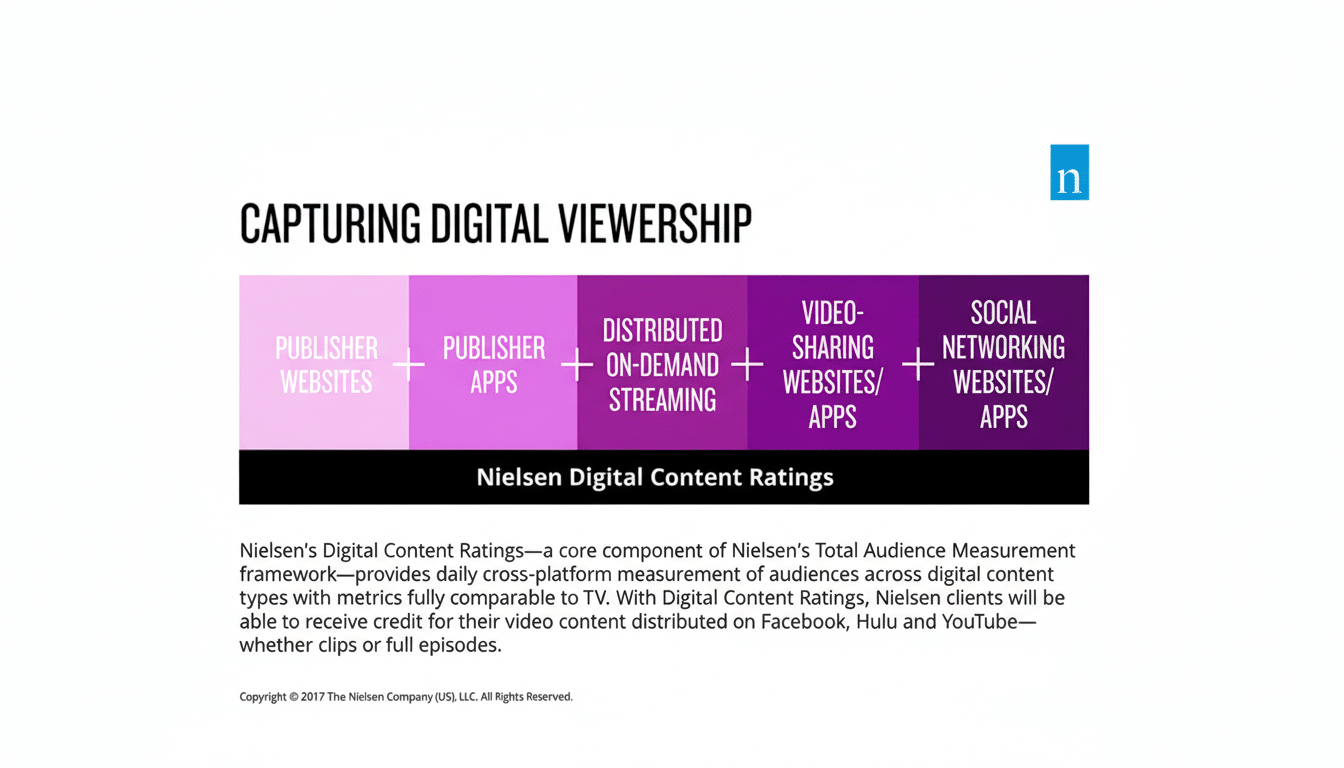
Memes thrive on authenticity, and audiences are primed to reward it. Nielsen’s Social Content Ratings routinely show that live awards shows dominate real-time conversation, and the clips that travel furthest are often the unscripted ones. This was vulnerability in high definition, packaged in a format built to be remixed.
There’s also scale. GIPHY has reported more than 10 billion GIF views per day globally, while Instagram and TikTok count user bases in the billions. In that ecosystem, a crisp reaction moment can achieve instant ubiquity, moving from stan accounts to sports memes to brand social in a single news cycle.
Bad Bunny’s global footprint amplifies the reach. He became the first artist to top Spotify’s worldwide streaming chart three consecutive years from 2020 to 2022, and his bilingual catalog gives his cultural moments a borderless runway. A face that half the planet already recognizes is a powerful distribution engine.
From Awards Stage to Every Group Chat Worldwide
On X, the clip appears under captions like “when you realize it’s only Wednesday.” On Instagram, meme pages pair the pause with checkout totals and unread-email counts. TikTok creators stitch the moment into skits about burnout and adulting, using the silence to land the joke.
This is textbook reaction-GIF utility: easy to parse, easy to drop into any thread, and flexible enough to express both comedy and empathy. It’s the same mechanical advantage that propelled Bernie Sanders’ mitten moment and the perennial “Meryl Streep cheering” to cross-platform dominance.
Brands will inevitably test-drive it. The savvy ones will use it sparingly—think a wry nod to shipping delays or the Monday mood—because overexposure shortens a meme’s half-life. The less savvy will attach it to unrelated promos and burn through the goodwill quickly.
Memes Turn Fleeting Moments Into Shareable Myth
Memes don’t just reflect culture; they compress it. By distilling his reaction into a three-second loop, the internet created a portable narrative about how even the biggest star can be overwhelmed by the moment. That portability fuels fandom, strengthens parasocial bonds, and extends the life of an awards-show beat long after the broadcast ends.
There’s a line between affection and exploitation, and this one stays on the tender side. The humor isn’t at his expense; it’s with him. The caption speaks for the viewer, not over the artist, which is why the meme comes off as inclusive rather than invasive.
The Likely Lifecycle of This Widely Shared Reaction
Expect a surge across GIF libraries and short-form edits this week, a brand adoption phase soon after, and then a steady trickle of high-quality uses that keep the template alive. Awards-season moments often linger as evergreen reactions because they map neatly onto everyday frustrations.
Even when the clip’s novelty fades, the feeling it captured will not. In a feed full of hot takes and overproduced content, a quiet, tear-brimmed pause from one of the world’s biggest artists is a reminder that disbelief—and relief—need no translation.