


AYN has retired the Odin 2 and is sweetening the transition with a sizable sale on the Odin 2 Portal, its 7-inch Android handheld that has become a favorite among emulation fans. The company announced the move via its Discord community, positioning the discount as a thank-you to users while it pivots to its next-generation devices.
AYN Retires Odin 2 And Refocuses The Line
The discontinuation of the Odin 2 marks the end of the device that propelled AYN into the spotlight with category-leading performance in the Android handheld space. It follows the earlier retirement of the Odin 2 Mini, signaling a deliberate shift in the lineup as the company concentrates on upcoming models like Odin 3 and Thor.
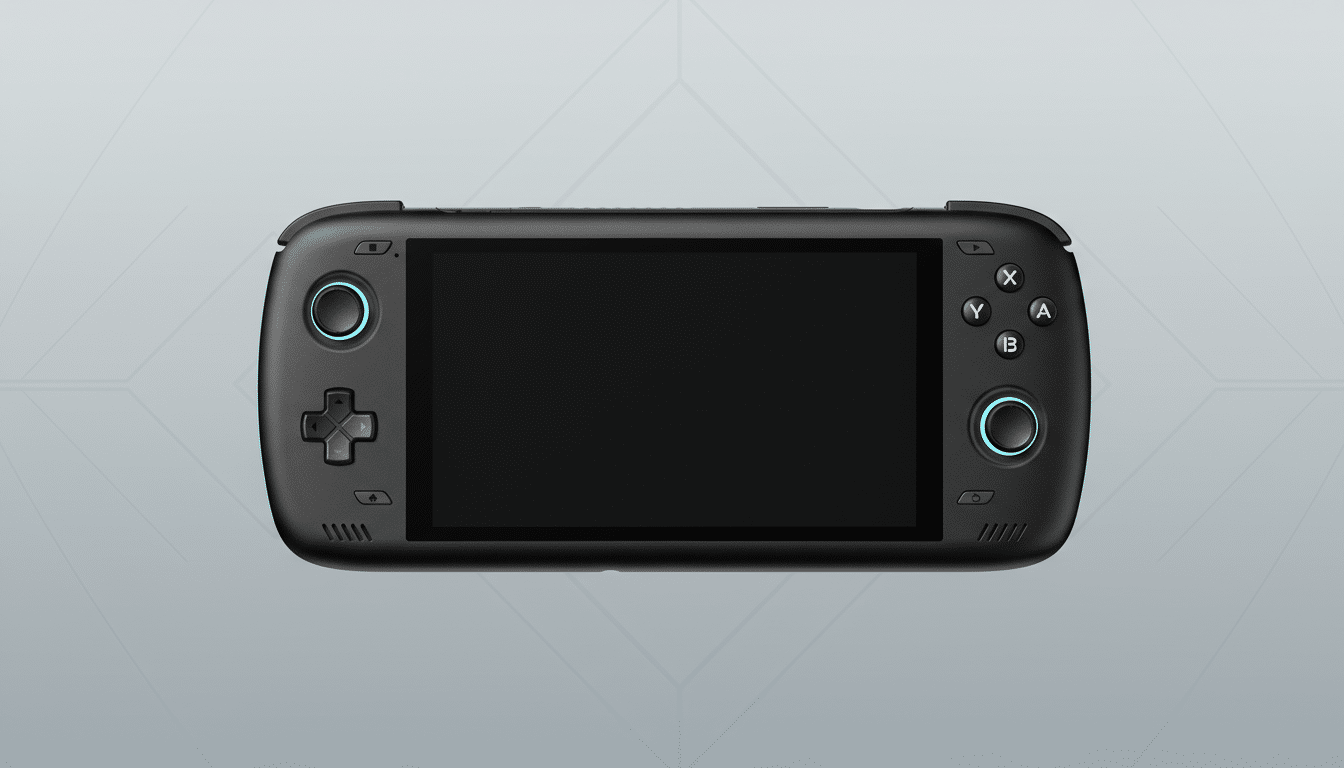
For now, Odin 2 Portal is the only model AYN lists as in stock and ready to ship, with other devices remaining on pre-order. That makes this sale effectively the on-ramp for anyone who missed the Odin 2 proper but still wants the same core performance in a more modern, larger-screen design.
Portal Pricing and Configurations for Every Model
AYN’s sale runs through the Chinese New Year period and applies across all Odin 2 Portal trims. The 8GB RAM and 128GB storage Base model drops to $249 from $329, a savings of roughly 24%. The 12GB/512GB Pro falls to $369 from $399, about 8% off. The 16GB/1TB Max lands at $449, down from $499, a 10% cut.
While the Base model’s price is compelling, it won’t be the best pick for every workload. Demanding emulators and heavier multitasking benefit noticeably from the Pro’s 12GB RAM or the Max’s 16GB RAM, particularly when running higher-end systems and maintaining large texture caches. Storage also matters: modern Android titles and large ROM libraries can fill 128GB quickly, even with expandable microSD storage. For buyers aiming at Switch-class emulation or juggling multiple emulator front ends, the Pro often strikes the best balance of price and headroom.
Regardless of trim, the value proposition is strong against other Android handhelds. Comparable devices with less powerful chipsets frequently land near these sale prices without matching the Portal’s performance envelope or AMOLED-grade visuals.
Performance and Playability in Real-World Use
The Odin 2 Portal pairs a 7-inch AMOLED display with Qualcomm’s Snapdragon 8 Gen 2, a flagship-class SoC that still outpaces most chips used in compact gaming handhelds. In third-party benchmarks such as Geekbench and 3DMark, 8 Gen 2 devices routinely deliver a sizable lead over MediaTek Dimensity 1200/1100 and Unisoc-based handhelds, particularly in GPU-heavy workloads—precisely the scenarios emulators lean on.
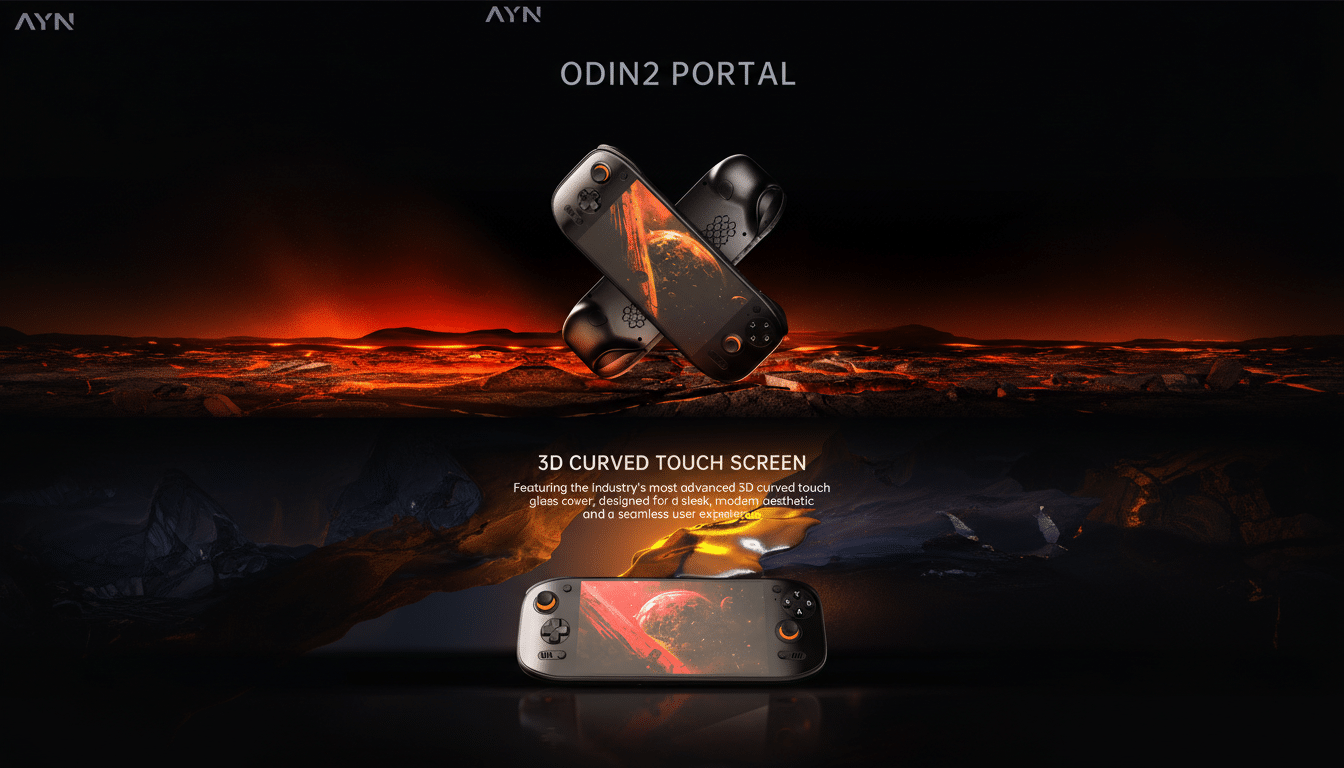
Real-world results reflect that headroom. The Portal handles classic platforms effortlessly and pushes well into PS2 and GameCube territory with high compatibility, while Switch-level emulation is achievable in a growing list of titles with careful settings. Android-native games take advantage of the strong GPU, and PC game streaming through apps like Steam Link or Moonlight runs smoothly on fast Wi-Fi. The AMOLED panel’s contrast and color also elevate 16-bit and handheld-era games, where sprite art and UI clarity benefit from deep blacks.
Build and ergonomics remain strengths. The Portal’s larger chassis offers better grip than smaller pocket systems, and the control layout is tuned for long sessions. Enthusiast communities on Discord and Reddit continue to publish tuned emulator profiles and front-end setups that squeeze more consistency out of the hardware, lowering the learning curve for newcomers.
How It Stacks Up Against Rival Android Handhelds
In the mid-size Android handheld class, the Odin 2 Portal’s closest competition comes from devices like the Retroid Pocket 4 Pro and Anbernic’s recent entries, which are attractive for their price and portability but generally lag in GPU throughput and emulation ceiling. Logitech’s cloud-first handheld and higher-end x86 portables occupy different niches—either relying on cloud services or commanding a much higher price for PC-grade hardware.
An upcoming 7-inch device, the MANGMI Pocket Max, is being positioned as a more affordable alternative, but performance targets and pricing are still unconfirmed. Until those details settle, the Portal’s discount tightens its grip on the value lead among Android-based handhelds with flagship silicon.
Should You Buy Now or Wait for Next-Gen Models
If you were considering an Odin-class handheld, this is the window. The sale makes the Pro configuration the sweet spot for emulation enthusiasts who want flexibility without overspending, while the Max is for users who plan to keep a massive library local. The Base model is fine for classic consoles and lighter workloads but leaves less room to grow.
With Odin 2 bowing out and Portal standing as AYN’s in-stock option, the company’s message is clear: the future of its Android handhelds is bigger screens, higher performance, and tighter focus. For buyers, that future just got cheaper.