


Austria’s military has completed a wide-ranging migration to an open-source office suite with some 16,000 migration points from Microsoft Office to the free and open-source LibreOffice suite of productivity tools. The move is really, they say, a security strategy first and a budgeting one second, with data control and independence the core of military IT policy.
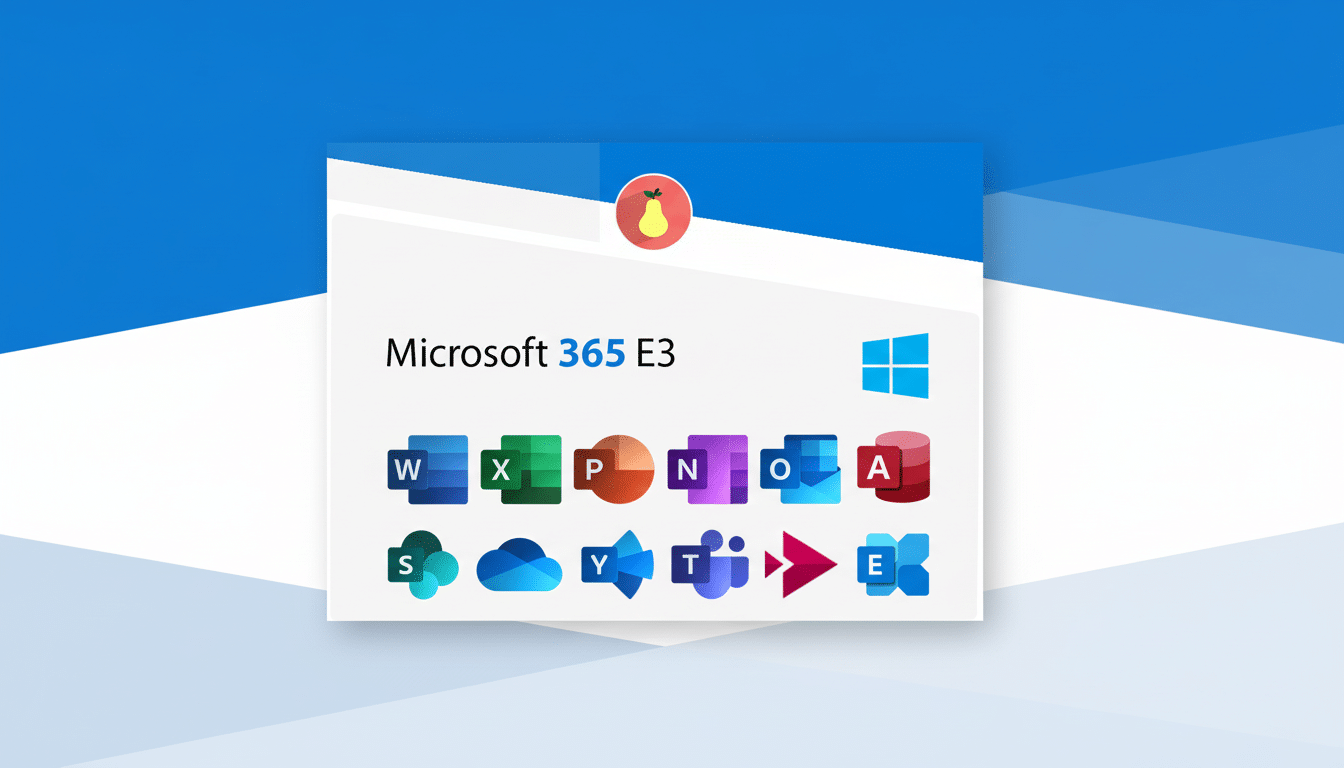
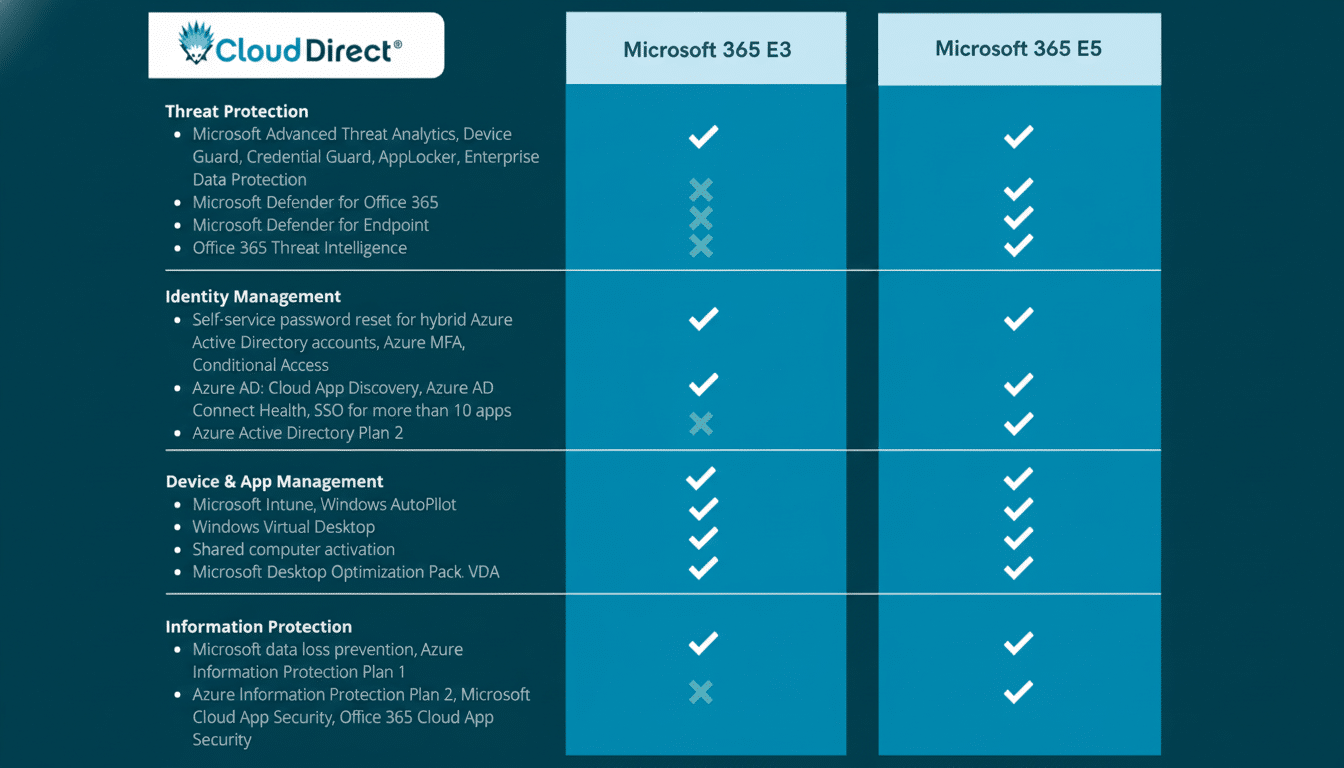
The cost savings are real — an M365 E3 seat is currently listed at about $33.75 per user per month, a bill that can easily climb to more than $6 million annually at this scale — but commanders and IT leads emphasize the greater purpose: digital sovereignty.
In real terms, that means minimizing exposure to foreign cloud jurisdictions, keeping sensitive processing at home, and relying less on a single vendor’s roadmap.
Why Digital Sovereignty Is Important for Defense
Confidentiality, continuity, and audit are key to defense organizations. Open-source tools help address those needs by permitting code review, local runs, and long-term support of critical functionalities. The Austrian military’s IT arm, Directorate 6 for ICT and Cyber Defense, has packaged the move as an opportunity to take control over infrastructure while also achieving a future where documents never have to leave secured networks in order to be processed.
European policy dynamics amplify that calculus. The EU’s data protection regime and significant court decisions in this domain have certainly complicated cross-border transfers to the world outside the European Union. Meanwhile, fears over extraterritorial access laws such as the US CLOUD Act have prompted public bodies to consider whether their information might be demanded under foreign law. Using LibreOffice, deployed in the cloud and connected to open standards such as ODF (ISO/IEC 26300), mitigates such risk.
Inside the Migration and What Changed for Users
The rollout was gradual, starting with voluntary adoption and growing department by department as training got more mature. Templates, macros, and project-specific workflows were transitioned to LibreOffice Writer, Calc, and Impress. To fill those gaps, military funds have been spent on targeted improvements that flowed upstream, such as improved editing of slideshows and better pivot table support — the benefits will be available to all LibreOffice users moving forward, added The Document Foundation.
Microsoft Office is no longer included on standard images, but there are tightly controlled exceptions. Units with exceptions due to dependencies — including certain Access databases, old legacy font licenses, or partner requirements that require specific document formats — can request limited use of long-term servicing modules. Again, that carve-out is the kind of thing one sees in defense migrations, where operational functionality takes precedence over complete uniformity.
The Non-Vendor-Locked Cost Picture for Austria
LibreOffice doesn’t have a license fee, but training, template conversion, and support costs are part of the total cost of ownership.
The Austrian approach distributes those costs among permanent capabilities: internal expertise, reusable tooling, and control over upgrade cycles. In risk terms, avoiding lock-in is a defense against surprise price swings — the unplanned demise of products or the emergence of new policies that can roil a defense supply chain.
Previous European projects have used benchmarking to test this reasoning. Germany’s federal interior ministry has cautioned against relying on single vendors in the public sector, and national cybersecurity agencies have promoted hardening measures that would be far easier to maintain when a platform is inspectable and changeable. The goal is predictable budgeting and guaranteed availability, not cheaper licenses.
Part of a Broader European Pattern in Public IT
Austria is not alone. Administrations in the German federal state of Schleswig-Holstein will switch to using LibreOffice, reports Links 2000, an agency from that federal state.
Un informaticien / informaticienne joue un rôle majeur dans la technologie de départ OpenOffice.org.
The French Gendarmerie Nationale uses LibreOffice on a large number of machines along with a Linux desktop. The Italian defense industry has led the way with LibreOffice-based projects that consolidate document processing. These initiatives support the wider trends we see across Europe on sovereign clouds and interoperability, including activity around Gaia-X and advice from the European Data Protection Board.
Cities and ministries that choose open standards also report less-noisy benefits: easier archiving and less versioning tension with contractors armed with a different toolset, as well as the ability to have office software run offline in sensitive environments. For militaries, that nimbleness lines up well with business continuity and cyber resilience objectives.
Compatibility and Change Management for LibreOffice
Compatibility continues to be the primary concern. Austria’s migration proactively faces this by having government-native content in ODF, exporting as needed to match others’ expectations, and avoiding complex macros that tie them to a particular vendor. Where they cannot avoid macros entirely, teams have rewritten code into more contemporary scripting languages and templated library functions, which are kept standardized to minimize drift.
Security teams also gain leverage. Operating office software solely in classified or restricted networks reduces exposure to cloud identity attacks and reduces the telemetry to third parties. National agencies, such as Germany’s BSI, have advocated for strict macro controls for years; an open-source stack can provide the tools to enforce those controls at scale.
What to Watch Next as Austria Deepens Adoption
Austria’s defense IT now has three levers it didn’t control completely previously: the capability to determine what gets patched (and when), the freedom to prioritize features that are mission-critical with upstream developers, and a guarantee that core office tooling cannot be turned off due to vendor decision-making. Quantitative wins will be:
- Fewer file-conversion incidents
- Faster incident resolution time
- Lower long-term running costs
The broader signal is clear. And in a realm where trust really, really matters — you’re not going to use some software off the street without that trust — open-source software, when combined with open formats, is no longer just some asocial geek’s fringe experiment. It’s a strategic stance — one that Austria is now putting into motion — that more of Europe’s institutions are willing to adopt.