


AT&T is rolling out Turbo Live, an on-demand priority connectivity option designed to cut through the digital gridlock at sold-out stadiums and arenas. The carrier says the pass will start at $5 per event and dynamically adjust based on demand and capacity, with a limited number of passes available to preserve performance.
Unlike a monthly add-on, Turbo Live is a temporary boost activated only where it’s offered. The proposition is straightforward: when tens of thousands of phones are competing for the same cell sectors, Turbo Live aims to elevate a customer’s data experience for sharing videos, ordering concessions, scanning tickets, and using real-time apps without the dreaded network timeouts.
- How Turbo Live Works in Congested Stadium Venues
- Where Turbo Live Debuts Across Major Sports Venues
- Pricing and Capacity Management for Turbo Live
- Who Can Use Turbo Live and Device Requirements
- Why Stadium Networks Struggle During Major Events
- Competitive and Policy Context for 5G Priority Access
- What to Watch Next as Turbo Live Rolls Out Widely
How Turbo Live Works in Congested Stadium Venues
AT&T positions Turbo Live as a situational performance upgrade that leverages its 5G toolkit, including capacity from C-band and 3.45 GHz midband, along with dense distributed antenna systems common in modern stadiums. While the company hasn’t detailed the exact mechanism, the service resembles the kind of quality-of-service prioritization enabled by a standalone 5G core and, potentially, network slicing as defined by 3GPP standards.
In practical terms, customers who purchase a pass get higher priority on congested sectors, particularly valuable for uplink-heavy moments like posting high-resolution video or joining live streams. That’s where crowds usually feel the pinch; midband and millimeter-wave can offer huge throughput, but bodies and distance can quickly erode real-world performance without strategic prioritization.
Where Turbo Live Debuts Across Major Sports Venues
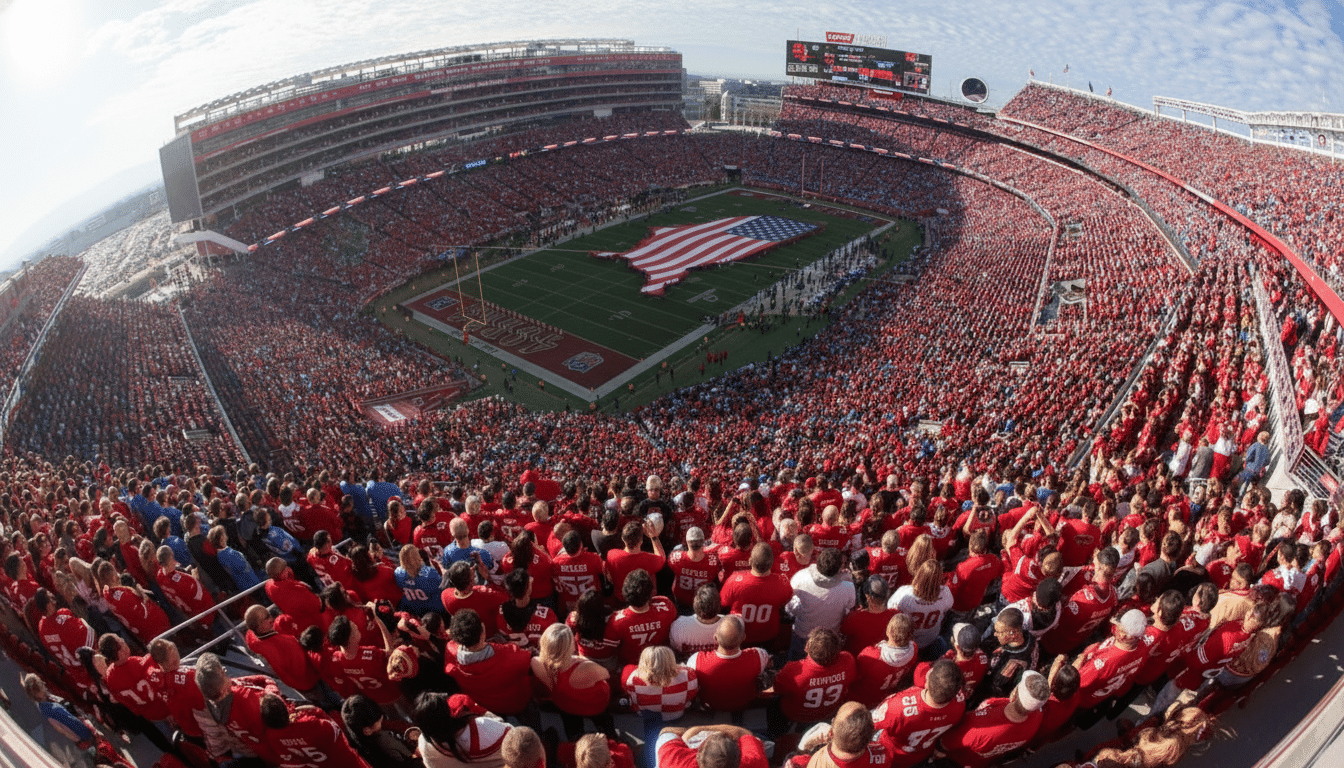
Turbo Live will launch across 11 high-profile venues, including Mercedes-Benz Stadium in Atlanta, United Center in Chicago, MetLife Stadium in East Rutherford, NRG Stadium in Houston, the Sphere in Las Vegas, Intuit Dome and Hard Rock Stadium in Southern California and Miami, the Alamodome in San Antonio, Levi’s Stadium in Santa Clara, Lumen Field in Seattle, and Bryant-Denny Stadium in Tuscaloosa. AT&T Stadium in Arlington, Gillette Stadium in Foxborough, and SoFi Stadium in Inglewood are slated to follow, with plans to move into convention centers and large festivals as the program scales.
Pricing and Capacity Management for Turbo Live
AT&T says Turbo Live starts at $5 per event and will vary based on the profile of the event and available capacity. Limiting passes is essential to the value proposition: if too many people buy in, the performance advantage vanishes. That dynamic pricing and inventory model mirrors how stadiums already allocate premium experiences, from express entries to field-side clubs, but applied to bits instead of seats.
Who Can Use Turbo Live and Device Requirements
AT&T subscribers can purchase Turbo Live when it’s offered, and the carrier says non-AT&T customers may tap in via an unlocked, eSIM-capable phone. That requirement matters: many carrier-financed devices remain locked until paid off, which could block a last-minute eSIM switch. Even when eligible, users still need enough baseline connectivity inside the venue to download and activate the eSIM profile.
The practical takeaway for fans: check your device’s unlock status and eSIM support before arriving. Apple’s recent iPhones and most Android flagships support eSIM, but policies vary by carrier. The FCC has pushed greater transparency around unlocking, yet installment plans frequently keep phones tied to a network until obligations are met.
Why Stadium Networks Struggle During Major Events
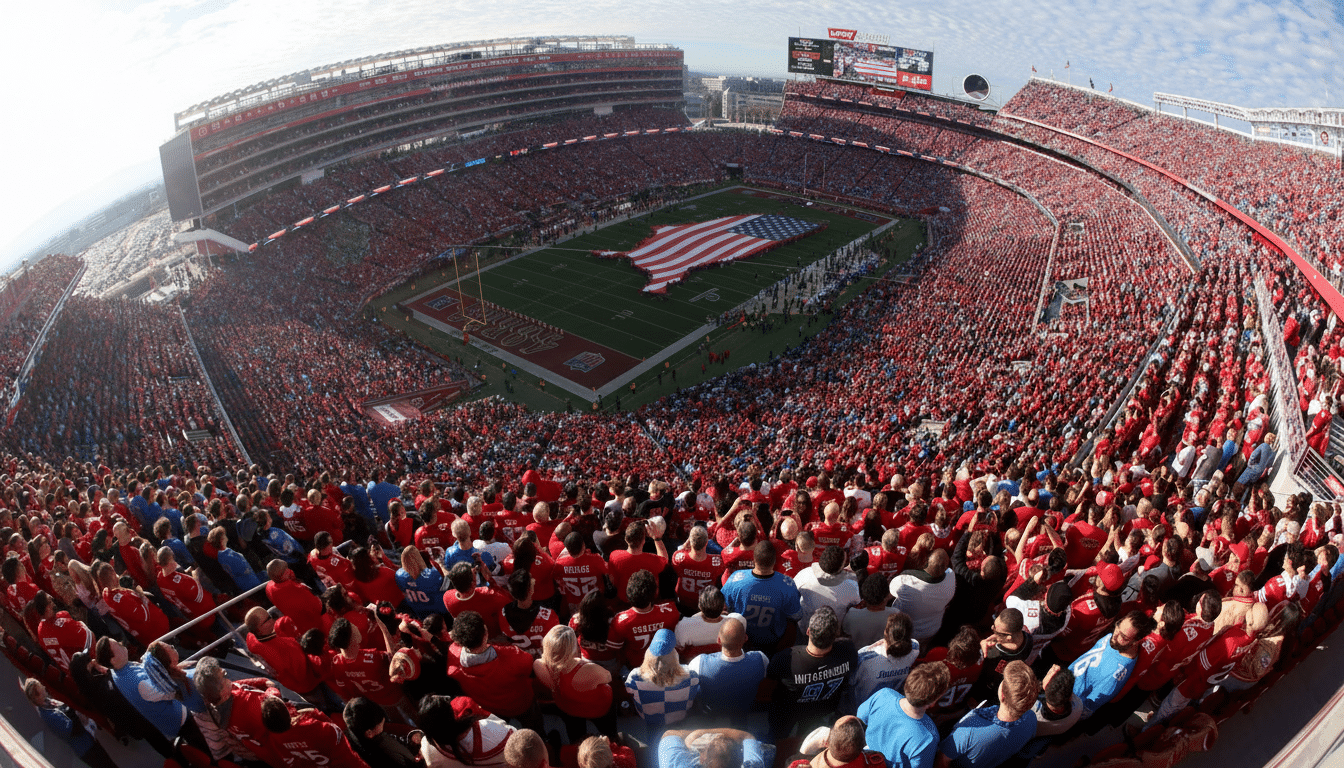
Game days produce extraordinary traffic spikes. Industry groups like CTIA have documented steady, double-digit annual growth in mobile data, and single marquee events routinely drive tens of terabytes across carrier networks. Carriers deploy hundreds of antennas, small cells, and temporary spectrum assets to handle the surge, but radio physics and crowd behavior concentrate load in unpredictable bursts, especially at halftime or during a last-second winning play.
Prioritization can smooth those bursts by assigning higher scheduling weight to Turbo Live sessions, helping maintain video uploads, live stats, mobile ticketing, payments, and venue apps. Expect the biggest gains on uplink, historically the tighter bottleneck during dense events.
Competitive and Policy Context for 5G Priority Access
Turbo Live arrives as carriers increasingly use 5G standalone cores to carve out differentiated experiences. T-Mobile has piloted network slicing for enterprise applications, and Verizon has focused on massive venue upgrades around major games. The GSMA and 3GPP have framed slicing and QoS as central to monetizing 5G while preserving baseline service for all users.
Some will question whether a paid fast lane is fair. AT&T maintains this is a premium, discretionary experience layered on top of an existing network already engineered to serve the crowd. The regulatory conversation will likely track broader debates over prioritization, though mobile networks have long applied traffic management during exceptional congestion.
What to Watch Next as Turbo Live Rolls Out Widely
Key indicators will be consistency and transparency. Fans will want to know the price before they buy, what uplift to expect, and how long the pass lasts. If AT&T brings Turbo Live to conventions and festivals, it could reshape how people plan connectivity for high-stakes moments like press conferences, live creator broadcasts, and mobile payments at pop-up venues.
If the launch delivers noticeable improvements, expect rivals to match with their own priority tiers or slice-driven passes. Stadium wireless has quietly become a showcase for 5G’s most advanced features; Turbo Live turns that engineering into a product you can buy—just in time for the next big game-winning clip to actually send.