


AT&T is reentering the home security space with the Connected Life system, a new DIY option based on Google Nest hardware and 24/7 professional monitoring from Abode. The carrier’s pitch is reliability and ease: a battery-powered hub with cellular backup ensures that alarms and alerts remain online if relays are turned off or there is an internet or power outage, while Google’s computer vision analysis and a single dashboard promises to trim app-juggling.
What Connected Life Includes: Kits, Hub, and Core Hardware
The system debuts with two starter bundles that customers purchase outright, rather than rent. The $399 Starter Kit and $699 Advanced Kit are both do-it-yourself, and you have financing options through Affirm if you want to spread the cost over months instead of taking a single hit.
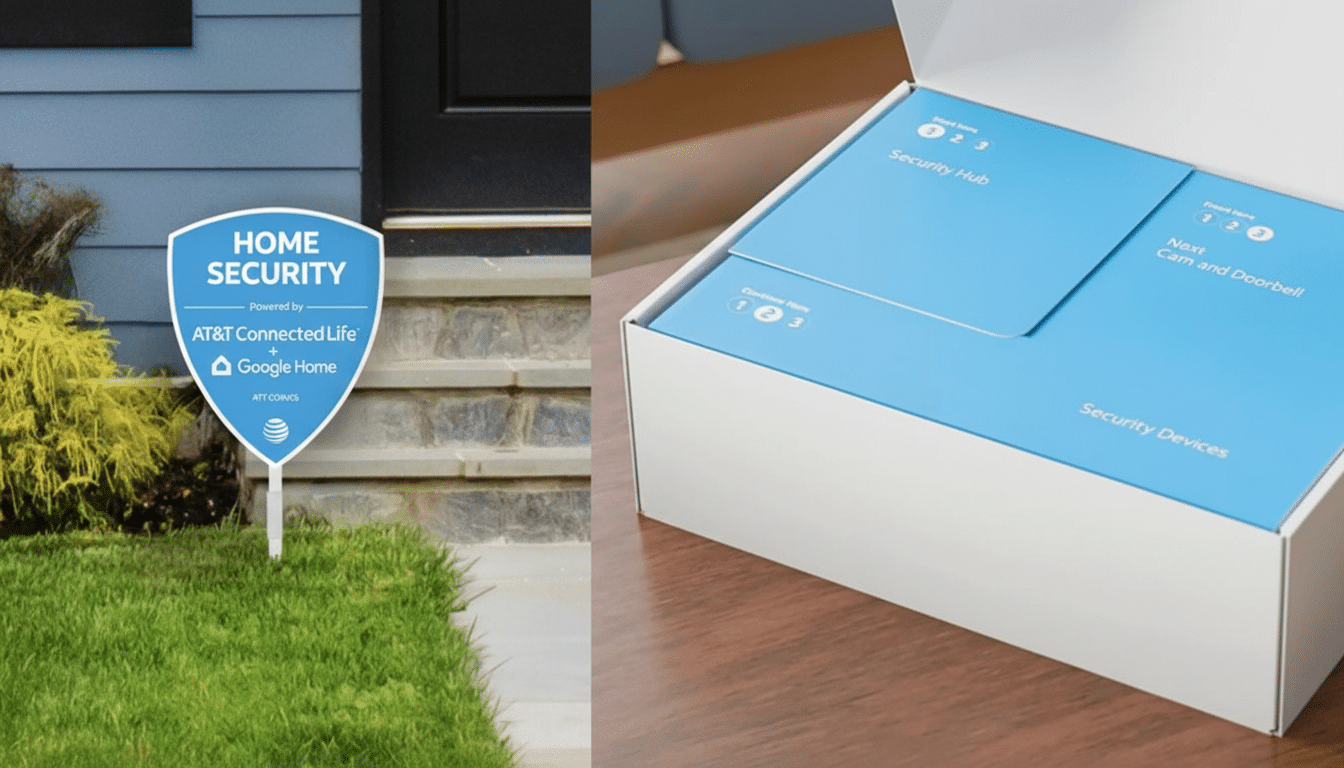
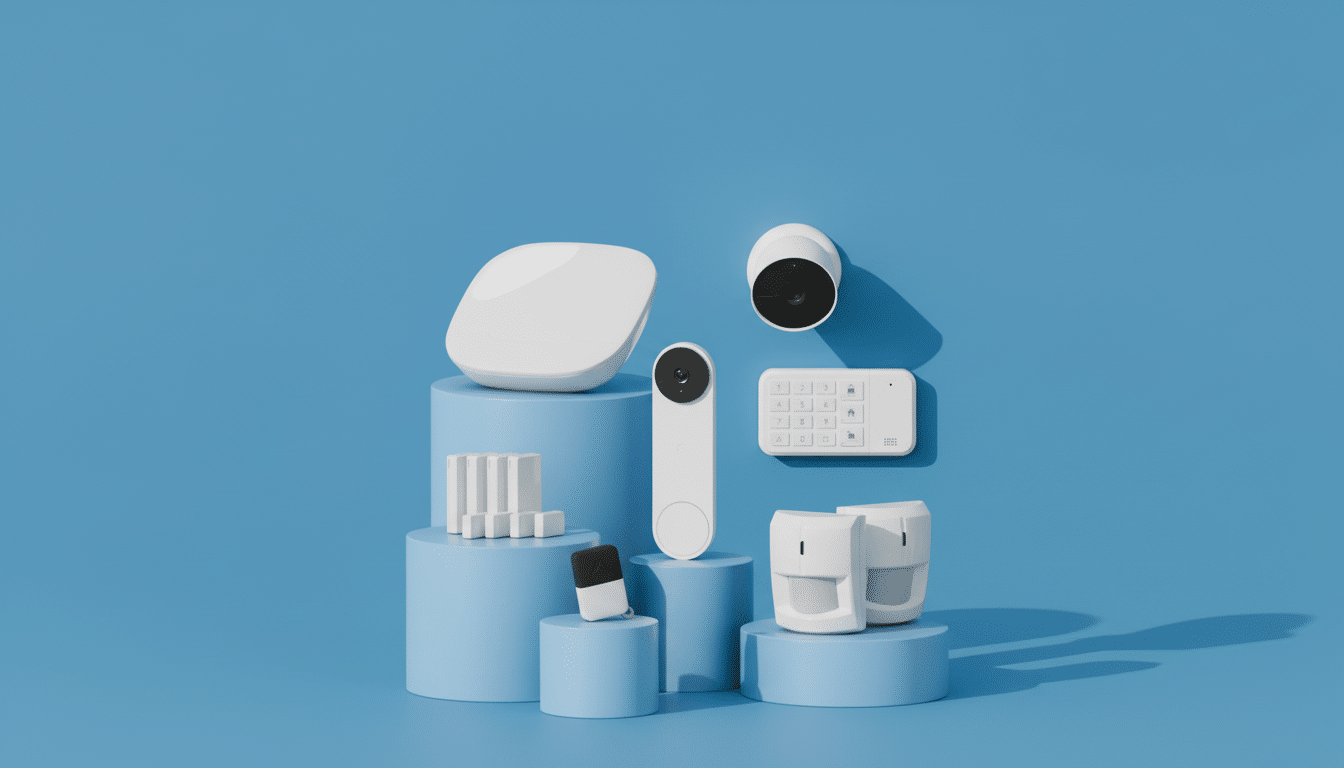
$399 Starter Kit includes
- Google Nest Doorbell
- One motion sensor
- Two door/window sensors
$699 Advanced Kit includes
- Nest Cam
- Wall-mounted keypad
- Key fob
- Additional sensors for wider coverage
In the middle is an AT&T-based hub with a battery backup and cellular connectivity, a recognition that Wi‑Fi doesn’t always cut it. According to the U.S. Energy Information Administration, the average American customer loses power for a handful of hours each year — far longer than is nice-to-have where security systems that need to work when everything else doesn’t are concerned.
Plans, Professional Monitoring, and Pricing Information
AT&T’s Essential plan costs $10.99 monthly and comes with 30 days of video history for Nest cameras as well as cellular backup. The $21.99 Professional plan introduces 24/7 monitoring by Abode itself, a long-time player in the DIY security field and renowned for its ability to provide UL-listed service that can call police, fire, or medical responders when it detects alarms.
That pricing threads the needle in a competitive landscape. SimpliSafe pro monitoring generally costs $19.99 to $29.99 a month, depending on whether you want video features. Ring Protect Pro charges around $20 per month and offers cellular backup for its Alarm Pro. ADT — Google’s other major security partner after a $450 million investment in 2020 — provides either traditional professionally installed systems or its own Nest-powered self-installed line, with full service typically coming at a higher monthly fee. AT&T’s blend of Google video smarts, Abode monitoring, and a $25-and-under pro tier makes Connected Life a value play for homes on the Google bandwagon.
Why AT&T Is Trying Again in Home Security and Monitoring
AT&T killed its Digital Life platform in 2022, leaving a business that Comcast and Cox have continued to pursue under their own brands. The carrier’s entrée relies on partners already doing the hard parts; Google for devices, AI-based detections and the Google Home app; Abode for immediate-response services. AT&T’s differentiator is network resiliency — deploying its cellular infrastructure to keep a home system online when consumer broadband wobbles — and a one-bill relationship it can expand to wireless customers and fiber.
The software story is similarly important to the hardware. Nest’s person, package, and pet alerts are some of the most accurate in mainstream cameras, cutting down on noise that contributes to camera fatigue. To see those alerts next to sensor events in one view is the sort of polish that can take a DIY setup and make it feel professional without a truck roll.
How It Compares in Real Life: Reliability and Features
For most households, the minimum must-have is nothing fancy: if the power goes out or you have to reboot your router, you want a signal reaching a monitoring center that receives it loud and clear.
Ring tackles this with an LTE backup, and some mesh systems work more directly with security hubs. AT&T’s approach is a simple one — battery in the hub, traffic over cellular — and it doesn’t rely on any separate router play.
For video features, Nest image quality and smart alerts routinely rate near the top in independent lab tests and product roundups — something that should help reduce false alarms and alert fatigue. For privacy-minded shoppers, note that Nest video is encrypted in transit and at rest, and events can now be reviewed in the Google Home app with fine-tuned notification settings. Abode’s monitoring includes a human in the loop to call when you can’t answer, solving a long-running DIY tradeoff.
Who Connected Life Is For: Ideal Homes and Use Cases
For those who’ve already brought Google home — Nest Hub displays, the Google Assistant, or current Nest cameras — Connected Life includes a nicely cohesive upgrade path with pro monitoring that doesn’t ditch the ecosystem you use every day. Renters and new homeowners will appreciate the DIY installation, sensor-by-sensor expansion possibilities, and no need for a technician to install. In neighborhoods susceptible to outages, homeowners have peace of mind in the cellular-backed hub.
Users heavily invested in rival ecosystems or who prefer professionally installed, fully hardwired systems with local DVRs will face the biggest tradeoffs. For everyone else, AT&T’s reentry pings a pragmatic note: fewer proprietary gadgets, more reliable connectivity, and partnerships that build best-in-class parts instead of starting from scratch.
Connected Life will be available across the country, and the carrier plans for cross-promotion of offers with its wireless and fiber product lines. In a market where convenience and consistent performance often decide whether a system remains hooked up or winds up shelved in a drawer, AT&T’s focus on uptime and easy setup could end up striking a chord.