


A high-end 32-inch 4K OLED gaming display just plunged to a price normally associated with mid-range panels. The ASUS ROG Swift 32-inch 4K OLED is now $899, down $400 off its usual $1,299 price and matching the best we’ve seen. For gamers and creators who have been considering a premium OLED experience without tripping over four figures, it’s that rare second when the wish list becomes a checkout.
Why this 4K 240Hz OLED monitor sale stands out today
The class of 32-inch 4K OLED monitors with 240Hz refresh rates, meanwhile, reigns on high in the desktop monitor market and has refused to dip below $1,000 since its debut.
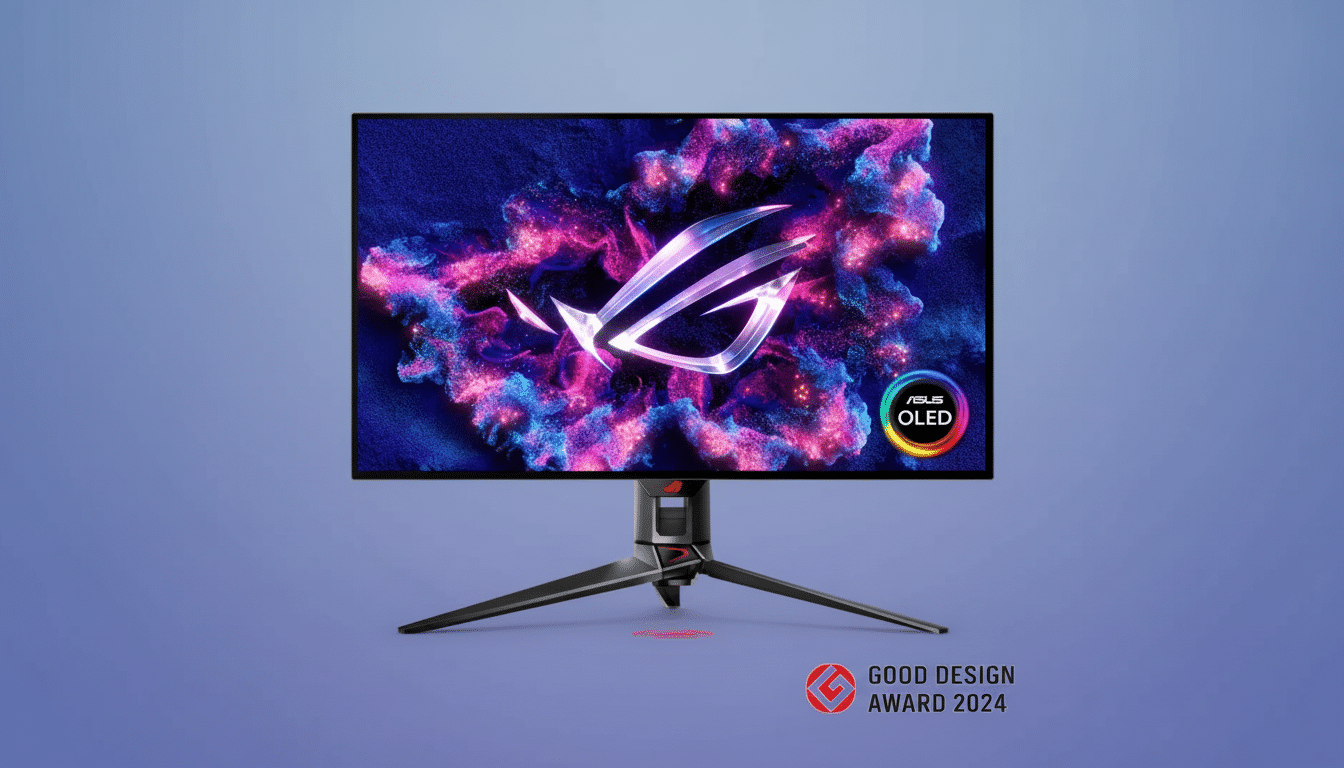
Finally, we will see some pricing pressure in the halo displays now that OLED scale is here and competition increases. At $899, practically speaking, a real 4K 240Hz OLED is the bridge between “aspirational” and “attainable”—it makes elite performance accessible to a much larger wedge of high-end PC setups.
Specifications tuned for speed and image quality
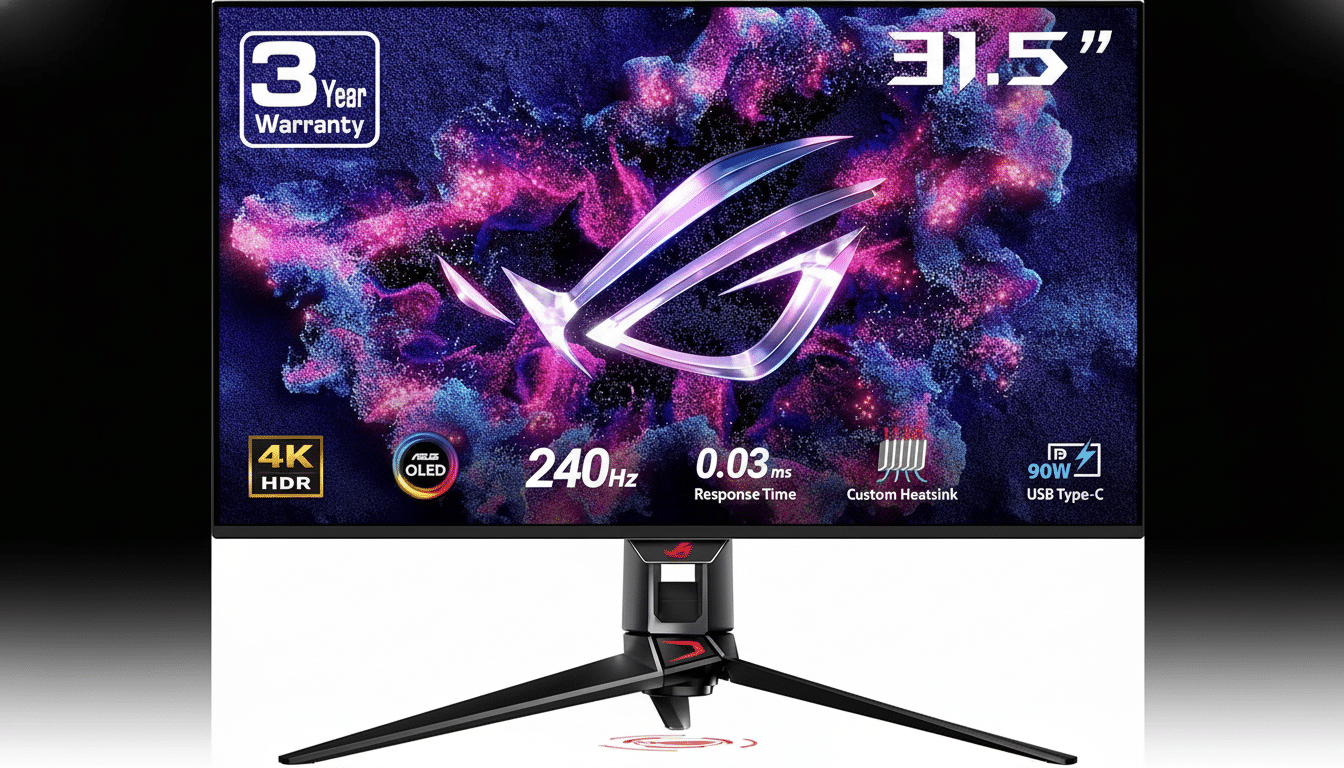
The headliners are there right up front: 4K UHD resolution for pin-sharp detail, a refresh rate of 240Hz for super-smooth motion, and an eye-popping 0.03ms response time that decimates blur and ghosting.
OLED’s per-pixel illumination delivers incredible contrast and accurate color reproduction, covering up to 99% of the DCI-P3 gamut—ideal for hardcore gaming as well as HDR content creation.
Variable refresh rate support keeps frames harmonized over a wide sweep, resulting in diminished tearing and stutter. The competitive benefit is instant for players at the highest frame rates, but so too is the visual payoff in cinematic single-player games where OLED’s HDR wow factor—the inkiest blacks, the brightest highlights, and the most saturated colors—brings depth no LCD can truly match.
Connectivity and design details that truly matter
The 32-inch form factor is the sweet spot for 4K desktop use—big enough to appreciate the resolution but not so large that it would obscure a standard desk. Look for a quality stand with ergonomic adjustments and thin bezels to eliminate distractions in multi-monitor setups. The aesthetic is unapologetically gaming-forward, with signature lighting that adds some flair without transforming your desk into a rave.
On the connectivity front, typical of this class is DisplayPort for max-bandwidth PC gaming, HDMI 2.1 for the latest consoles at high refresh rates, and a USB hub plus a virtual KVM feature on top trims to easily change connected devices. These are the building blocks for an efficient battlestation that serves both work and play at the flick of a switch.
How this price compares to rivals in the market
32-inch 4K 240Hz OLED direct competitors are Samsung and LG models that often list at $1,199 to $1,399. Even with reduced resolution or refresh trade-offs, competing 27-inch OLED choices mostly hover around $799–$999. In that light, $899 for a 32-inch 4K 240Hz panel undercuts most of its category without compromising core performance, which is why this drop feels like a watershed moment and not simply another fluke sale.
If you were previously considering a high-end IPS mini-LED for HDR, the calculus changes here. OLED’s inherent contrast gives most scenes better-looking HDR than you get with them, and at this price it becomes difficult to recommend a like-priced LCD unless you value all-out full-screen brightness above everything else.
Performance caveats and real-world tips for buyers
4K at very high frame rates requires quite a bit of power. To truly get the most out of 240Hz in ultra-competitive titles, you’d want a top-end GPU like an NVIDIA GeForce RTX 4080–level chip or AMD’s Radeon RX 7900 XTX. For visually rich, single-player games, technologies such as DLSS or FSR are useful in maintaining image quality with smooth motion through the trade-off between fidelity and performance.
OLED displays, such as the one in the LG E6P OLED series, have panel care settings that include pixel shifting, static logo dimming, and the option to run a refresh cycle. Leave those on, switch up your content, and turn to a screensaver for optimal benefits. Also be aware that OLED brightness can drop when a fully white screen is presented; during real gameplay, mixed scenes usually stay satisfyingly bright with punchy highlights.
Who should jump on this deal and why it fits you
PC players who want the best motion clarity and HDR impact at 32 inches are the clear winners. Console users also benefit—the HDMI 2.1 support is virtually tailor-made for current-gen systems at 4K with high refresh rates. For creators who color-grade or work in wide-gamut environments, you get true coverage and deep contrast to preview how footage will appear on the audience’s display.
Pricing at $899 hasn’t stuck around for long before—historically, drops like this have been short-term and return to four figures. If there’s been a 4K OLED upgrade you’ve been on the fence about due to cost, now is the time to pull the trigger.