


Handheld PC gaming is being taken to the next level as Asus and Microsoft are currently accepting preorders for their ROG Ally lineup. The standard ROG Ally costs $599.99, but the decked-out ROG Ally X maxes out at a whopping $999.99 — one of the priciest Windows handhelds to hit the market so far.
Early demand looks intense. On its official X channel, Microsoft said Ally X allocations were sold out on the Xbox Store in multiple markets, and retailers reported tight supply during launch waves.
- Pricing and Configurations for Asus ROG Ally Models
- Availability and Retail Outlook for the ROG Ally Lineup
- What the Specs Mean for Real Games on Handheld PCs
- How It Compares With Rivals in Price and Positioning
- The Xbox Angle and Services on Windows Handheld PCs
- Buying Advice for Choosing Between Ally and Ally X
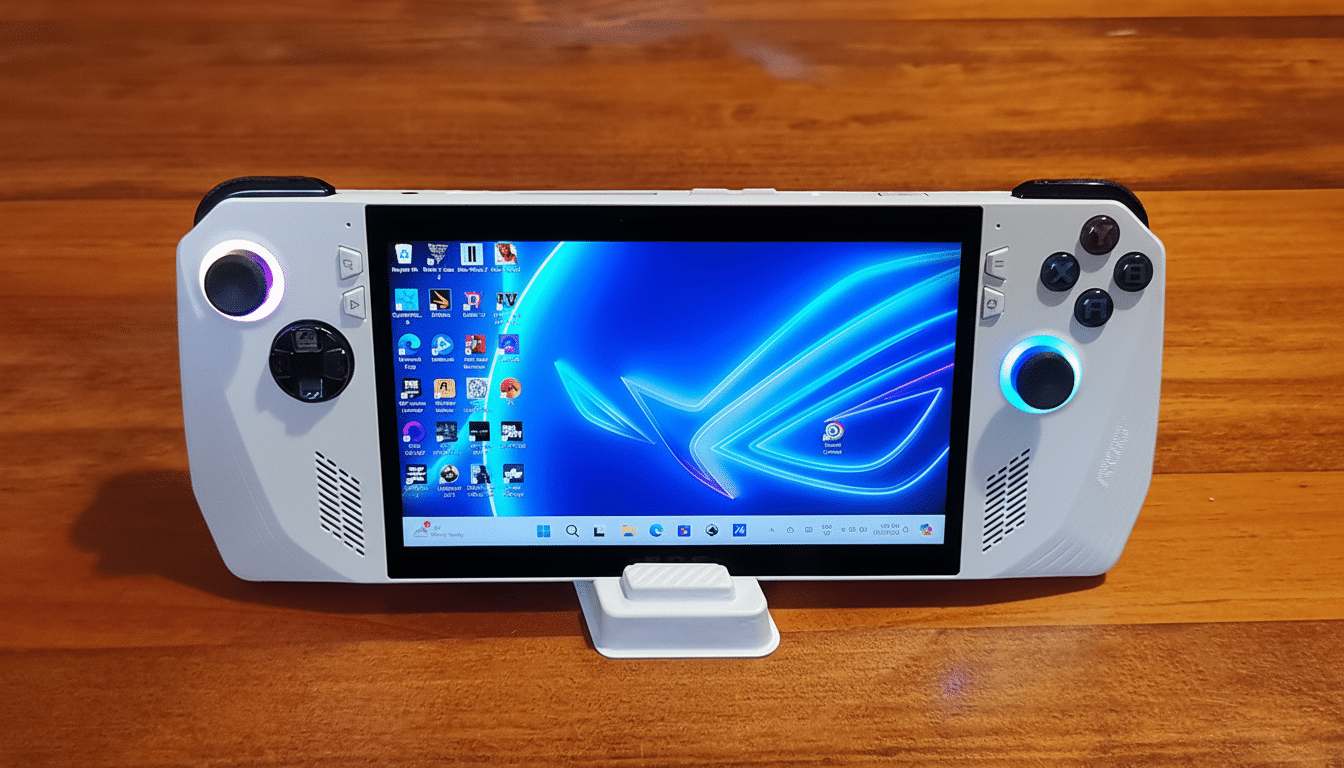
Pricing and Configurations for Asus ROG Ally Models
The roster divides neatly by memory and storage. The ROG Ally X features an AMD Ryzen Z2 Extreme processor, 24GB of LPDDR memory, and a 1TB SSD. The base ROG Ally is powered by the AMD Ryzen Z2 A processor with 16GB of RAM and a 512GB SSD.
That 24GB spec is impressive for an integrated-graphics portable. Since the GPU is using system memory, additional memory can help cut down on choking in recent games when bigger chunks of VRAM need to be mapped out for HD textures or more open-world density.
Availability and Retail Outlook for the ROG Ally Lineup
Microsoft’s first-party store has the devices listed alongside other major retailers like Best Buy, though it seems that the top model might be the most difficult to get your hands on. Small launch batches are, of course, common in the category, for reasons such as thermals, limited battery supply, and custom boards that limit ramp-up.
Recent history suggests volatility. Lenovo admitted that it canceled a few Legion Go 2 preorders after demand “exceeded expectations,” underscoring how rapidly this niche can shift from “in stock” to “wait-listed.” Shoppers who want the larger memory and space tier should anticipate periodic restocks.
What the Specs Mean for Real Games on Handheld PCs
On handheld PCs, performance depends on three factors: CPU/GPU efficiency, power constraints, and memory bandwidth. This family of Ryzen Z2 chips is focused on efficiency at portable-sized power envelopes; the goal is that these will be able to maintain high frame rates without killing your battery.
In titles with high RAM and VRAM requirements such as sprawling RPGs and large-scale shooters, the Ally X’s 24GB memory pool gives you headroom. It also allows more leeway for upscalers such as FSR and dynamic resolution techniques to reach stable targets with less stutter.
Storage also matters. When your library is filled with dozens of 80–120GB installs, a 1TB SSD aboard the Ally X comes in handy. The 512GB model is all right if you’re absolutely strict about what’s on there, but large patches and shader caches can chew up space.
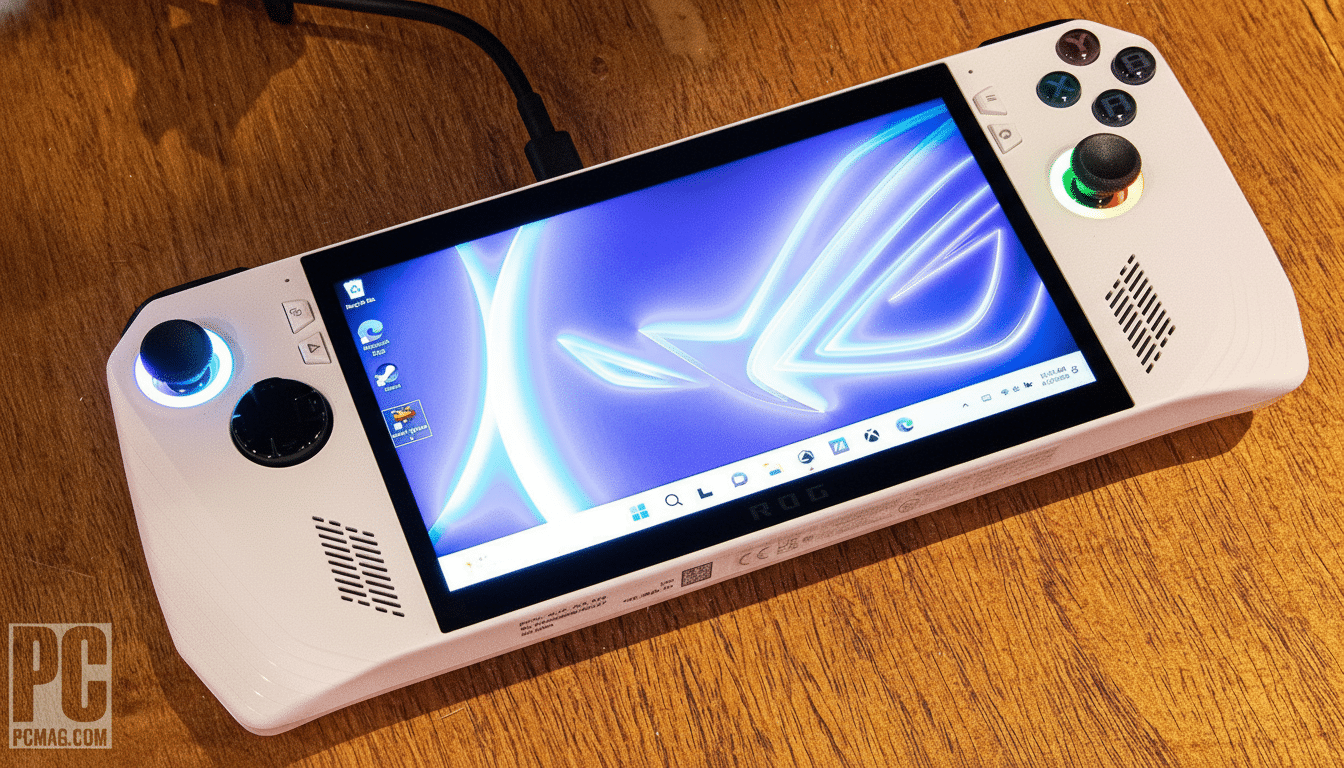
How It Compares With Rivals in Price and Positioning
Positioning is aggressive. Valve’s Steam Deck OLED spans from about $549 to $649 or so depending on storage, and Windows handhelds like the MSI Claw or earlier ROG Ally editions tended to rest in the $699–$799 ballpark. The Ally X costs $999.99, so it’s not a budget-priced machine, and the company is betting that enthusiasts with cash to burn will pay more for more RAM, faster storage, and tighter Xbox integration.
It’s a trade-off between price and polish. That means the Steam Deck is still a value benchmark with its OS stripped of clutter and filled with deep browsing features. Windows handhelds, meanwhile, win based on broad game compatibility and fresh drivers and launchers — but they might be more of a pain in the ass. The Ally X spec sheet looks to slather that friction with pure headroom.
The Xbox Angle and Services on Windows Handheld PCs
The Xbox branding also suggests a more deliberate effort on Microsoft’s part to make Windows-on-handhelds have more of a console-like vibe. Here, you can expect to see the Xbox app, Game Pass portals, and Cloud Gaming taking even more prominence—easing setup for players eager to dive straight into their libraries.
For many buyers, that convenience is as important as raw frames per second. So long as Microsoft keeps tweaking input behavior, overlays, and quick-launch experiences on the handhelds, the Ally family looks more like a poster child for Windows-first portability than some science experiment.
Buying Advice for Choosing Between Ally and Ally X
But if you mostly play indie hits, esports titles, or older AAAs — and you’re disciplined in managing your storage space — the $599.99 Ally is the better buy. It provides a contemporary handheld PC experience without reaching into four figures.
For anyone looking to load up on a bunch of huge blockbusters, mod at your pleasure, leave background apps resident with no memory fears: the $999.99 Ally X earns its premium.
With preorders already moving fast and supplies in regular flux, getting a unit of your own may depend on how often you can check for retailer alerts — and the speed of your checkout finger.
Either way, Asus and Microsoft just ratcheted up the pressure on portable gaming PCs — on price, form factor, performance headroom, and just how smooth a Windows handheld can be out of the box.