


Smart indoor gardens claim to deliver fresh greens year-round with almost no effort. The issue, of course, is whether they actually deliver — on harvests, and cost and convenience — once novelty wears off. After weeks of growing my own in a camera-equipped, app-guided hydroponic tower at home, I have a clearer picture not so much of what’s possible, or even what is marketing, as of what really works here.
What Makes a Garden Smart: Cameras, Sensors and AI
Lots of “smart” systems monitor the lights and the pumps. The next generation goes a step further: a wide-angle camera and on-board AI will assess leaf color for nutrient issues, flag pests early, and verify plant spacing. Seed pods arrive encoded so the system knows what’s growing where and can adjust lighting and feeding. There are similar approaches that mix sensors, image recognition, and app-based coaching; people using systems like Gardyn, AeroGarden and Rise Gardens can share photos of plants.
- What Makes a Garden Smart: Cameras, Sensors and AI
- Setup and the Learning Curve for Smart Gardens at Home
- My Harvest So Far: Yields After Weeks of Home Growing
- Cost Math and Return on Effort for Smart Home Gardens
- Energy, Water and Sustainability in Indoor Smart Gardens
- Reliability, Maintenance and Risks of Smart Garden Systems
- Who Benefits Most from Using a Smart Indoor Garden
- Bottom Line from My Kitchen After Weeks with a Smart Garden
Setup and the Learning Curve for Smart Gardens at Home
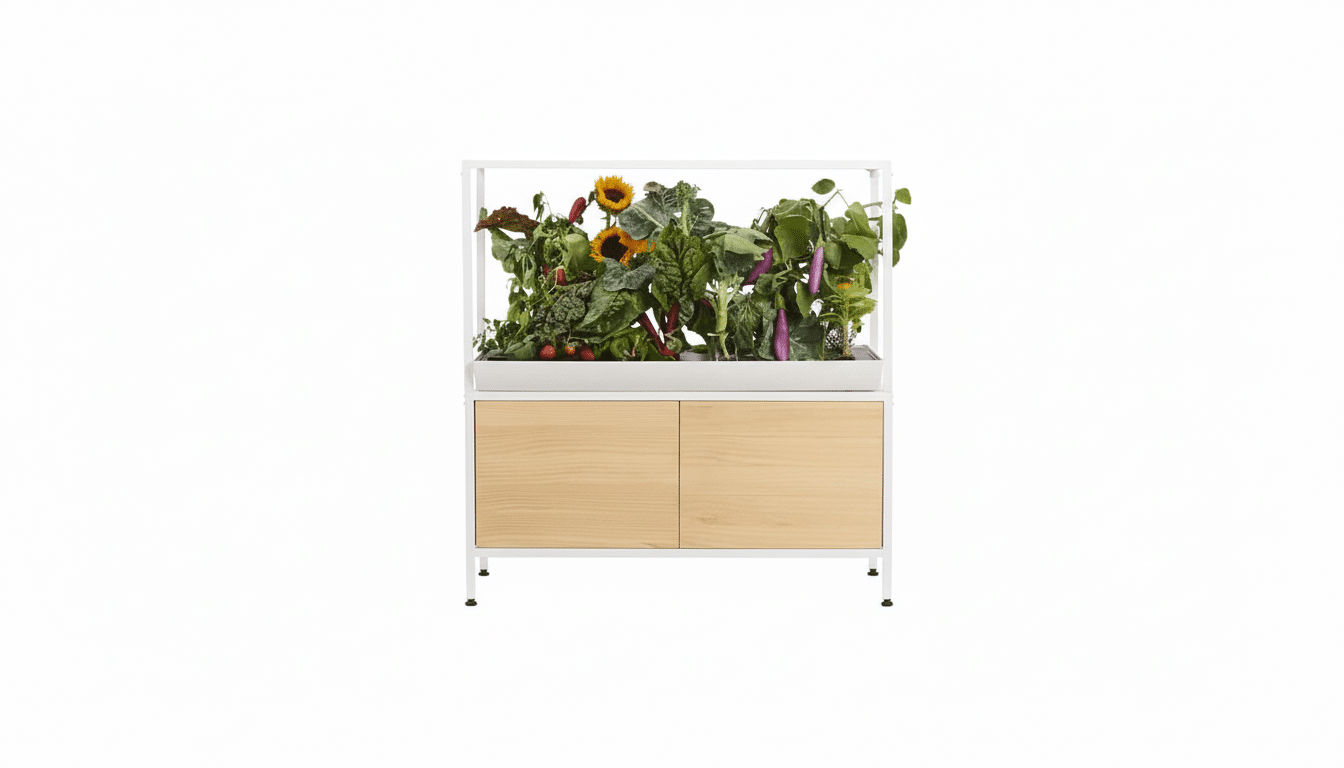
Assembly was done in under an hour, which included filling a reservoir to hold approximately three gallons and slotting in pods by light preference. The app’s recommendations were helpful but not bulletproof — the AI recommended raising lights to prevent legginess in basil, which did help, but I still found myself having to prune aggressively because of shading on slower spinach. Plan for a week to fiddle with light height, pump cycle and airflow.
My Harvest So Far: Yields After Weeks of Home Growing
By the fourth week, the first cut-and-come-again harvest was ready. Seven weeks in, I’ve clipped about 1.6 pounds of leafy greens (butter lettuce, kale and spinach) and roughly seven ounces of herbs (basil, thyme). That translates to two family-sized salads a week and enough herbs to eat daily. One basil plant now gives us two to three ounces every 10 days with regular topping and following university extension program guidance for harvesting continuously.
This pace is in line with what researchers who study controlled-environment agriculture report: fast cycles for leafy greens of four to six weeks, followed by continuing picks. Heads of lettuce were averaging five to six ounces; leaves of kale seemed to spring back every five to seven days. Romaine developed early tip burn that the AI camera did pick up, which led to a nutrient adjustment before damage spread.
Cost Math and Return on Effort for Smart Home Gardens
Hardware starts at around $300 and goes up to several hundred dollars more, based on capacity and features.
Some ecosystems tack on a subscription — roughly $19 monthly — for AI monitoring, credits for replacement pods and support. Pods themselves usually go for $2 to $4 each, but you can save by repurposing baskets and starting seeds yourself once you are comfortable with germination and sanitation.
On groceries, value adds up fastest for herbs and specialty greens. Fresh basil at the supermarket can cost $2 to $3 an ounce; indoor-grown bunches are a bargain by comparison. Organic salad greens sell for about $6 to $10 a pound. By seven weeks, the value of the produce is about $35 to $45 a month locally. Add in a subscription (also electricity, as I explain below), and the payoff window for premium systems stretches longer — unless you value pesticide-free supply or convenience above all, or if you live far away from good produce.
Energy, Water and Sustainability in Indoor Smart Gardens
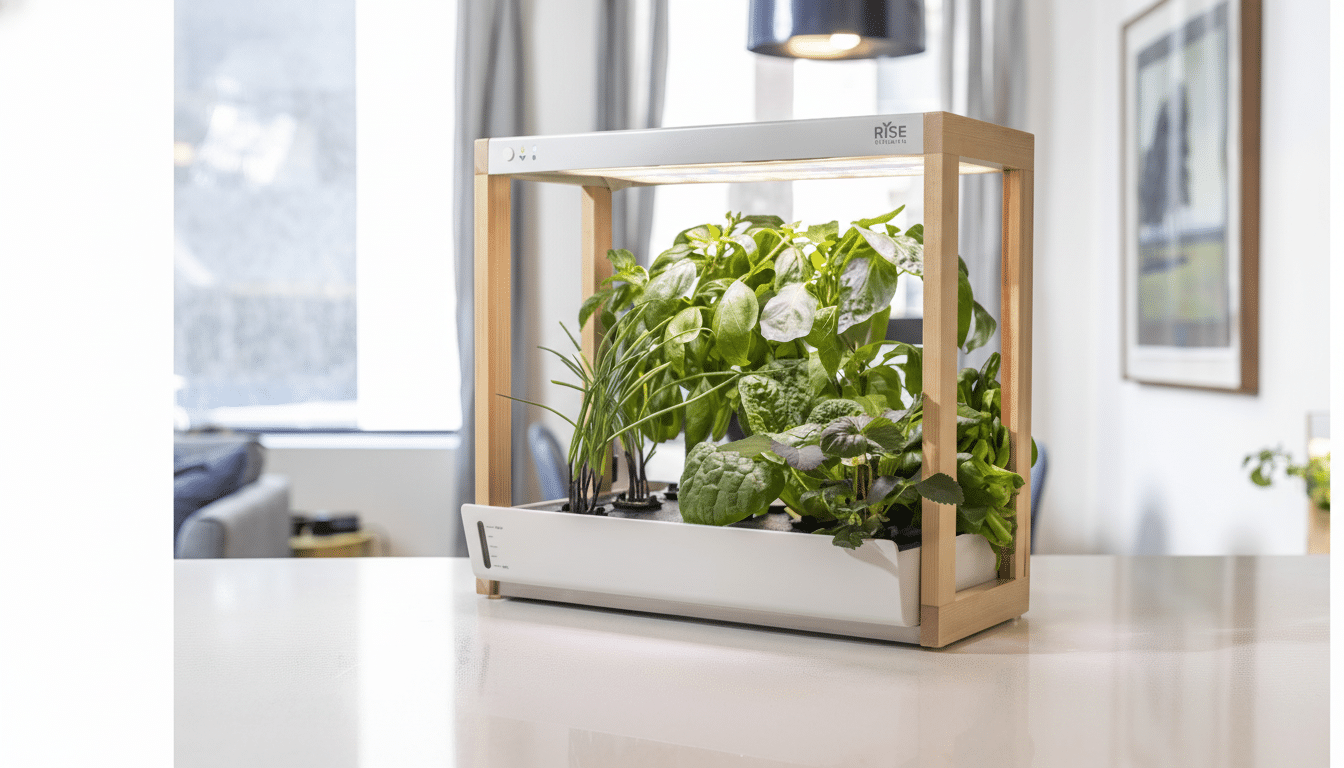
LED grow lights are economical, not free. My system typically uses around 60 watts on a 16-hour photoperiod, which is about 29 kilowatt-hours per month. At the recent residential average of 16 cents per kilowatt-hour reported by the U.S. Energy Information Administration, that’s about $4.50 to $5 worth of electricity a month.
Hydroponics shines on water use. Studies by the University of Arizona’s Controlled Environment Agriculture Center and others have found that soilless systems may require 80 percent to 95 percent less water than traditional field growing. Using a steady amount of it, I am having to top up about 10 to 15 gallons a month. Nutrient use is low — measured in electrical conductivity — and the app’s dosing nudges were generally spot on, with some minor tweaking.
Reliability, Maintenance and Risks of Smart Garden Systems
Clogging and biofilm are home hydroponics’ Achilles’ heel. While sealed channels and silicone modules decrease buildup, a monthly deep clean is still prudent. The AI identified aphid suspects on a kale leaf before they even got started — correctly. In my first cycle, the sole dud was a couple-day delay in germination on thyme, which the system swapped out through its pod credit program.
The noise is low — more of a soft pump hum than anything else — and the heat output is minimal compared with that from old high-intensity lights. It has a neutral odor if it’s been kept clean. The most frequent mistake users make is overfeeding; a number of extension services, such as Cornell’s program in greenhouse use, emphasize moderation with nutrients to prevent tip burn and salt buildup.
Who Benefits Most from Using a Smart Indoor Garden
Smart gardens are the way to go if you like having a guide and some consistency along the way. Those without access to a summer balcony, busy cooks always burning through herbs, and families wary of spraying their own greens with pesticides will benefit most. Do-it-yourself rigs can be cheaper for enthusiasts used to tinkering, but they’re the most likely for a higher failure rate without sensors and coaching.
Bottom Line from My Kitchen After Weeks with a Smart Garden
Do smart gardens work at home? Yes — notably for herbs and salad greens — if you understand “smart” as complementing but not replacing the gardener. My harvests have been consistent, the app’s AI has prevented small things from becoming big ones, and the routine is easy enough to maintain. Pure dollars-and-cents ROI can take a while on high-end systems, but eventually the reliability, control over inputs and taste is convincing. If those are important to you, a smart garden justifies its square footage.