


I strapped the Apple Watch Series 11 and Google Pixel Watch 4 to my wrists together during morning runs, office days, red-eye flights, and a couple of off-grid hikes. Both are the best any of those companies have made, to date. They also embody very different priorities: Apple goes all-in on clinically backed health features, while Google touts assistant smarts and universal connectivity. Here is what I learned after testing in the real world.
Design, comfort, and build: how each watch feels daily
The Series 11 is slimmer and flatter, and on the wrist it largely vanishes in a way the Pixel doesn’t. The round domed case of the Pixel Watch 4 is handsome, but it’s also tall enough to notice more when I’m sleeping and even doing push-ups. Over two nights of tracked sleep, the Apple band-and-case combination simply bothered me less.
- Design, comfort, and build: how each watch feels daily
- Health and safety features: ECG, blood pressure, sleep apnea
- Smart functions and AI: assistants, apps, and usefulness
- Connectivity and privacy: satellite messaging and data use
- Battery life, display readability, and daily performance
- Price, value, and verdict: which watch is right for you
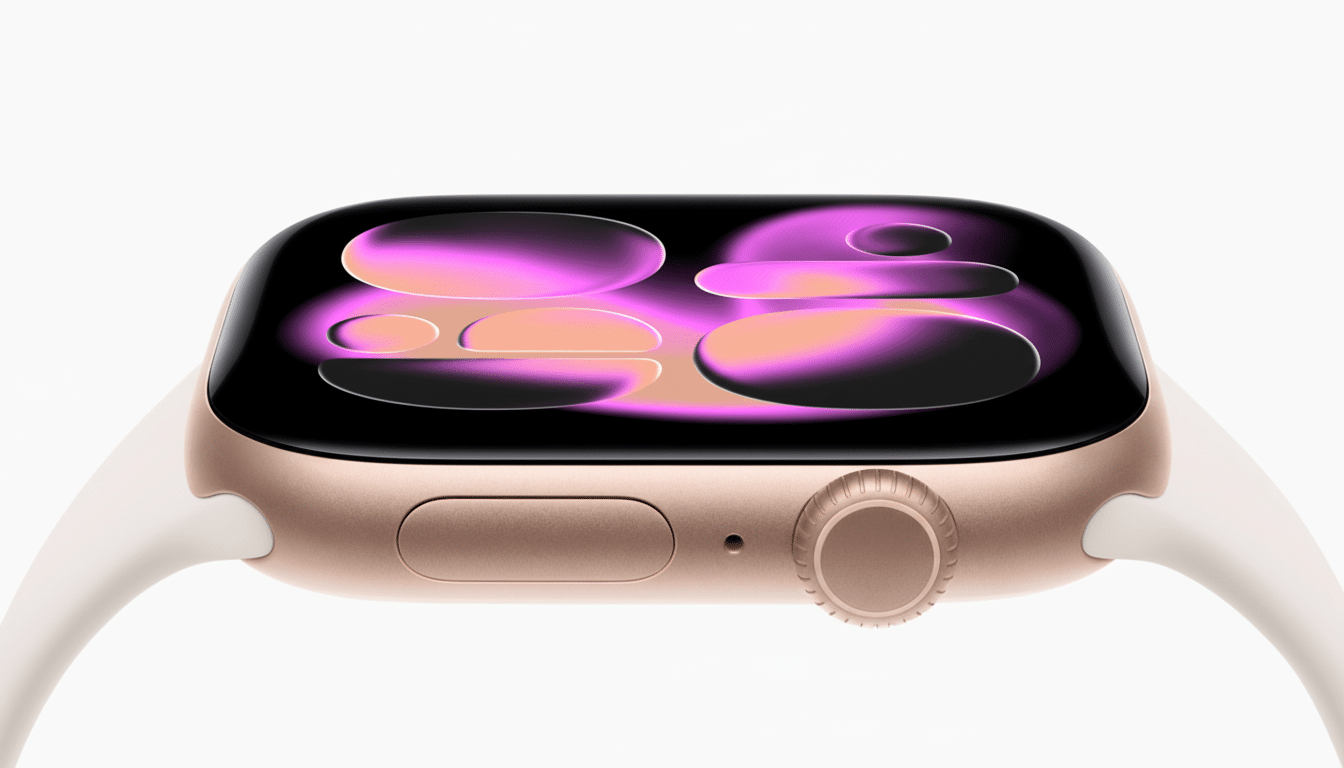
Apple’s haptics are still class-leading; timers and alerts feel firm rather than buzzy. Haptics on the Google side improved; they were stronger and better year over year, but less refined. Both screens are awesome, though the Pixel’s 3,000-nit peak brightness showed up as a smidge easier to read around midday than the Series 11’s 2,000-nit panel. That difference melted away in indoor runs and those at dawn.
Health and safety features: ECG, blood pressure, sleep apnea
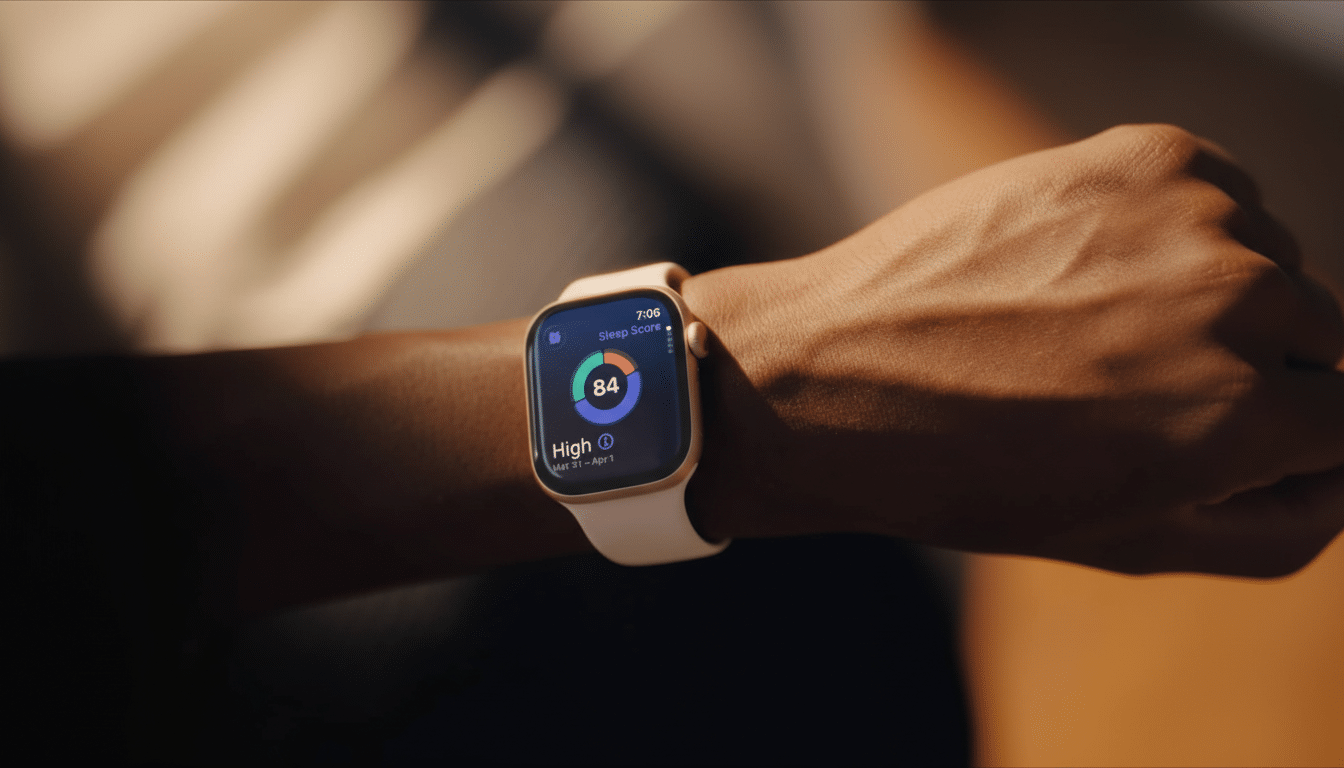
And this is where Apple pulls away. The Series 11 integrates FDA-cleared features like ECG, irregular rhythm notifications, and a new feature that can detect hypertension by trending blood pressure across approximately one month and alerting users if the trend shows an elevated pattern. Pair that with expanded sleep apnea testing and restored blood oxygen insights, and you have a health stack that feels medically legitimate, not just motivational.
And in my experience, Apple’s metrics were well synchronized with a chest strap for interval runs, and its recovery suggestions felt conservative yet believable. That is in line with previous validation work around Apple’s heart algorithms, including findings from the Stanford-led Apple Heart Study showing high positive predictive value for irregular rhythm alerts.
Google relies on Fitbit’s established platform: decent ECG, SpO₂, sleep staging, and (ahem) readiness-style insights. The Pixel Watch 4 kept up with my VO₂ max trend and nightly resting heart rate consistently, and the on-watch coaching nudges were more conversational-feeling than those from Apple. It’s still missing Apple’s blood pressure tracking and sleep apnea detection, which is an important feature given that the American Heart Association says tens of millions of American adults have high blood pressure — many unaware of it.
Smart functions and AI: assistants, apps, and usefulness
Google’s watch is the better assistant on your wrist. The Pixel Watch 4 is snuggled in techy-tight with Gmail for notifications, Calendar, Maps, and Wallet — it serves up smart replies that are context-aware throughout your day (e.g., when you get to the track it offers to start a workout). Voice dictation seemed pretty zippy, and Assistant managed multi-step tasks briskly.
Apple’s Series 11 fires back with on-device Siri for health questions, dictation that is reliably accurate, and, over time, an even more substantial third-party app catalog for niche needs — from Runalyze sync to pro note-taking. If you live in Apple services, no one can touch handoff and continuity. But for straight-up “ask and it shall do” action across apps, I give the nod to Google.
Connectivity and privacy: satellite messaging and data use
Both brands debuted satellite features, but in terms of access they parted ways. Pixel Watch 4 offers standalone satellite messaging, which allowed me to send a brief check-in from a trailhead and leave my phone behind. Apple keeps satellite SOS for its Ultra tier, so in my tests the Series 11 failed to replicate that off-grid trick.
In data practices, a new evaluation from VPN Mentor gave Apple’s approach to sharing data an “excellent” rating and Google’s a rating of “good.” Apple emphasizes processing on the device and permission-based sharing. Google allows data sharing within the ecosystem and opt-in third-party use, but no ad targeting on health data. Both are better than the worst actors in the industry, but if privacy is your thing, Apple’s posture still seems more hardened.
Battery life, display readability, and daily performance
Neither of these watches is a multi-day marathon runner, but they are both sturdy day-one companions. With always-on switched on, notification-heavy use, and one GPS 10K run per day, they both made it through to bedtime; a brief evening top-up would have left me comfortable for sleep tracking. Launching apps and scrolling are smooth on each, but Apple’s animations feel ever-so-slightly more polished.
Visibility is stellar on each. The Pixel’s brighter spec was helpful under an unforgiving sun, and Apple’s adaptive approach and low-reflectivity glass made text pop indoors. Performance differences are minor in daily use; where you will see a difference is haptic subtlety and watch face diversity — Apple wins both.
Price, value, and verdict: which watch is right for you
The Pixel Watch 4 begins at around $350, which undercuts the Apple Watch Series 11’s entry at about $400. Factor in that Google throws in satellite messaging without those “Ultra” upsells, and the Pixel seems like the better raw value — especially if you’re already all-in on Google’s services.
Who wins overall? Because, dear readers, for most people who value the depth and longevity of health validation, it’s the Apple Watch that wins. Its clinical-grade capabilities and buttery-smooth experience make it the most well-rounded health-first smartwatch you can get.
But the Pixel Watch 4 is the best smartwatch for Android users — and an intriguing choice if you’re looking for smarter on-wrist guidance and built-in satellite messaging. If you have an iPhone, pick Apple. If you reside on Android or require Google’s assistant strengths on every device, then the Pixel is the way to go.
One last lens: market maturity. Apple consistently leads global smartwatch share according to Counterpoint Research and IDC, which can be seen in polish and developer support. (That momentum is real, and the Pixel Watch 4 is its most convincing step yet — but for today at least, Apple still earns the crown.)