


I tested the Apple Watch Series 11 and Google’s Pixel Watch 4 through an equivalent combination of daily habits, workouts, sleep tracking, and travel. Both are very good, but the Series 11 consistently felt like the more reliable, health-focused smartwatch — especially if you value medical‑grade features, comfort, and long‑term data stewardship.
Why Apple Watch Series 11 wins over Google Pixel Watch 4
Apple’s newest watch is all about regulated health features and easy wearability. Google’s model does so with aggressive pricing, a brighter screen, and integrated AI smarts — not to mention satellite messaging without an upgrade path. The trade-offs are real, but to most people the Series 11’s health credibility and daily comfort are decisive.
- Why Apple Watch Series 11 wins over Google Pixel Watch 4
- Design and all-day comfort for sleep and workouts
- Health features with FDA support lead the pack
- Safety and connectivity trade-offs you should know
- Display, performance, and battery in daily use
- Privacy and data stewardship across ecosystems
- Price and value compared between these two watches
- Bottom line: The everyday smartwatch to beat
Design and all-day comfort for sleep and workouts
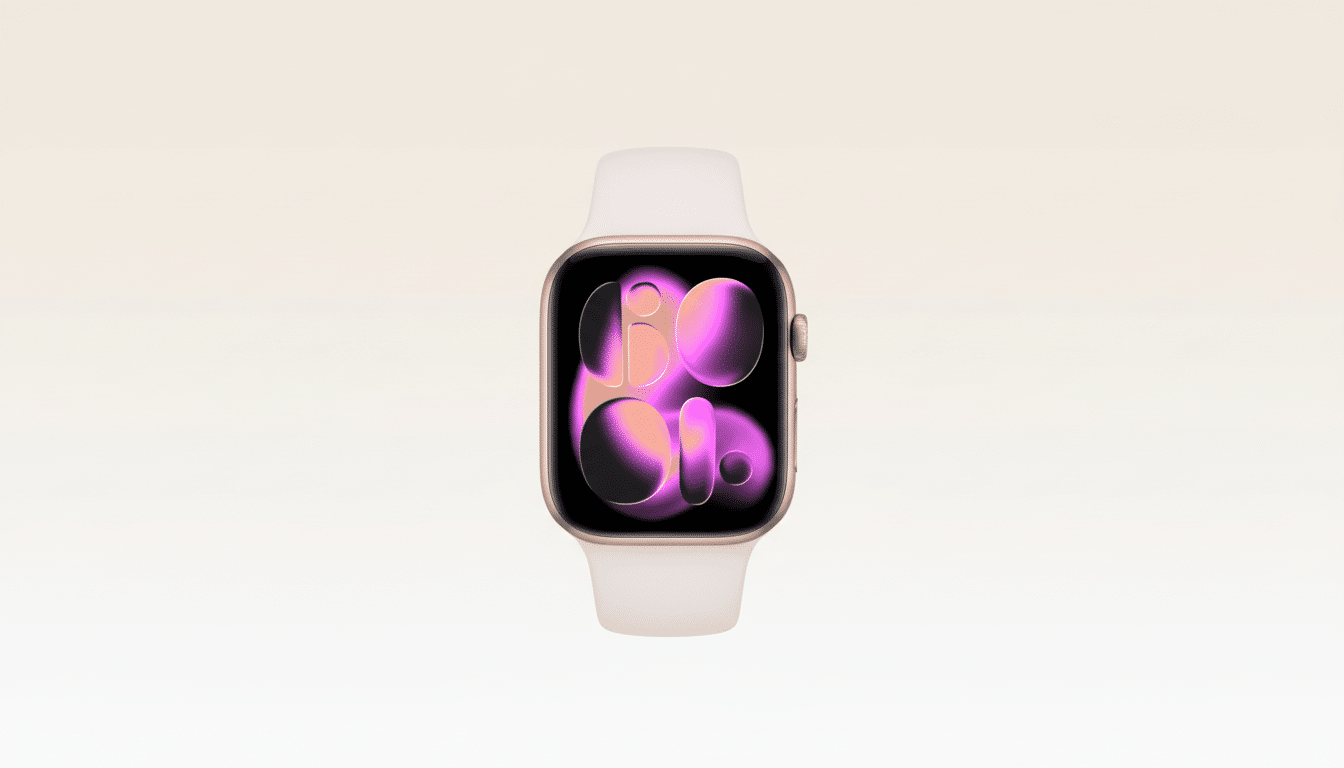
Series 11 is slender, balanced, and feels good on the wrist. That’s more important than spec sheets seem to acknowledge. It simply disappears after long days and overnight sleep tracking — no hotspots under the band, no bulky crown snag. In contrast, the Pixel Watch 4 has a round shape and thicker case (much like its predecessor), which can bear down on your wrist during sleep as well as those higher-intensity workouts. If you wear a watch 24/7 for the sake of your health alone, ergonomics are not so much a detail as they are the experience.
Health features with FDA support lead the pack
Here’s where Apple distinguishes itself. Series 11 brings FDA-cleared hypertension detection, which examines trends for over 30 days and identifies consistently elevated blood pressure, as well as re-enabled measurements of blood oxygen and FDA-cleared sleep apnea detection. And Apple’s timing of releasing regulated features into consumer devices is atypical in wearables, and it shows in the quality of the on‑watch coaching UX and Health app follow‑through.
The final point: Context matters. According to the Centers for Disease Control and Prevention, almost half of American adults have hypertension or are taking medicine for it. A wrist gadget that can tap you on the shoulder to go get care due to prospectively validated signals is more than a spec, it’s public health at scale. Google’s Pixel Watch 4 does support in-depth fitness and wellness tracking through Fitbit, but it pales in comparison to the same slate of FDA-cleared capabilities that Apple has built out here.
Safety and connectivity trade-offs you should know
Both brands also introduced satellite messaging for off-the-grid emergencies this cycle, only with a catch: On Apple’s side, it resides in the higher-end Ultra 3, not the Series 11. Google offers satellite messaging on the regular Pixel Watch 4 without a costly Ultra-tier upsell. But if backcountry communication is your priority, that could be enough to sway you toward Google — or Apple’s Ultra line.
For routine safety, Series 11 still has you covered with fall detection and Emergency SOS closely integrated with the iPhone itself and local services. In urban and suburban use, that safety net felt quick and grown-up.
Display, performance, and battery in daily use
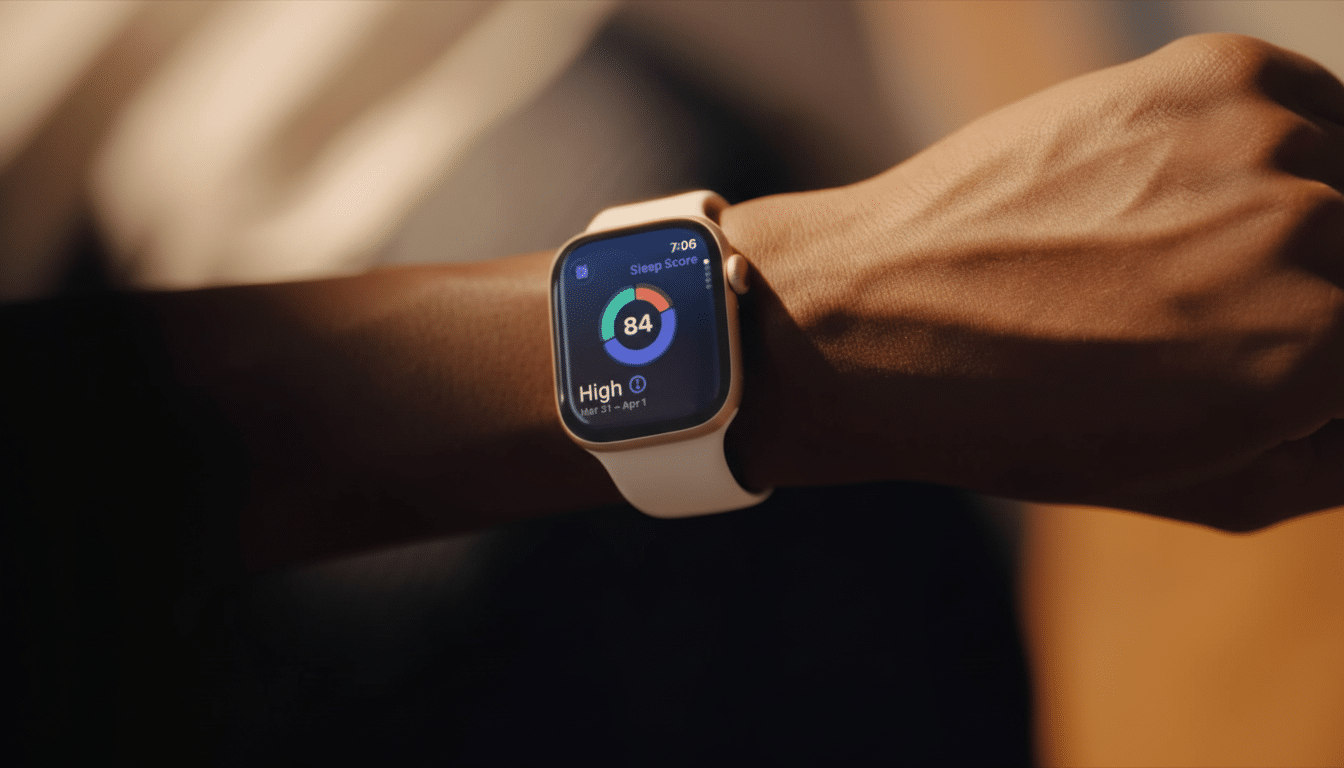
The Pixel Watch 4’s screen hits around 3,000 nits compared to the Series 11’s 2,000 nits. On paper, that’s a plus for Google; in reality, they both remain readable in the bright sun. Unless you’re comparing side by side out on the bright beach, you won’t notice often.
On all counts, performance is fluid on both: Apps load instantly, animations are smooth, and notifications land without lag. The battery life is “full day” for each in mixed use with GPS workouts sprinkled in, and they both charge quickly enough that an hour’s worth of juice can last you a night for sleep tracking. The greater differentiator remains health depth, not raw speed or endurance.
Privacy and data stewardship across ecosystems
Your smartwatch is probably collecting some of the most sensitive data about you. A recent evaluation by VPN Mentor scored Apple “excellent” for its data sharing, which is only with user consent and not sold off. Google scored a “good” grade, sharing within-ecosystem and opt‑in third‑party sharing but no ad targeting based on health data. (Other big tech wearables notably score lower.) If you prioritize privacy above everything, Apple’s position is a significant differentiator.
Price and value compared between these two watches
Pixel Watch 4 begins at around $350; Apple Watch Series 11 starts at about $400. Google’s pricing and the inclusion of satellite messaging makes a strong value proposition. Apple’s retort, of course, is that you’re paying for an ecosystem with more FDA-cleared features, best‑in‑class app support, and hardware that’s easier to wear nonstop. For those consumers who will actually use those health capabilities, though, the premium is more warranted.
Bottom line: The everyday smartwatch to beat
If you’re in the market for the most comprehensive health wearable for an iPhone, get the Apple Watch Series 11. It’s less fatiguing, its controlled attributes are legitimately helpful, and its safety systems aren’t as intrusive. The Pixel Watch 4 is a strong pick — especially if you own an Android phone and are looking for a more vibrant screen, built-in AI, and satellite messaging without the premium price. But as a health‑first smartwatch that’s for everyday life, the Series 11 has the crown.