


Living with an Apple Watch on my wrist, and having tested rival wearables, for years, I have a short, very specific list of upgrades that would push me to click the preorder button the moment the Apple Watch Series 11 is available. These aren’t novelty tricks. They’re the sort of changes that change the daily life with the device, lift a level of what’s healthy and step or close real gaps with competition.
Multi-Day Battery Life, Without the Compromises
Apple’s target of an “all-day” battery for the average user is fine, but those who are active or travel find themselves bumping against it a lot. I expect nothing less than 48–72 hours of moderate use with always-on display on, workouts tracked, and notifications on — no extreme battery-saving modes. Garmin often stretches to multiple days on AMOLED panels, while even lifestyle trackers like Fitbit can make it through the weekend. A denser cell, smarter tuning of the LTPO display, and a little deeper background process throttling (in watchOS) could get the Series 11 there. It would be the most interesting thing Apple could do.
- Multi-Day Battery Life, Without the Compromises
- A brighter display that’s even easier to read in bright sunlight
- Thinner and lighter and finally 24/7 comfortable
- Health features you’ll actually value, not gimmicks
- “Why” — Sleep and recovery scores
- On-watch zoomable, minute-by-minute heart rate timeline
- Dual-frequency GPS for everyone
- Intelligent, on-device private coaching
- Little quality-of-life wins that accumulate
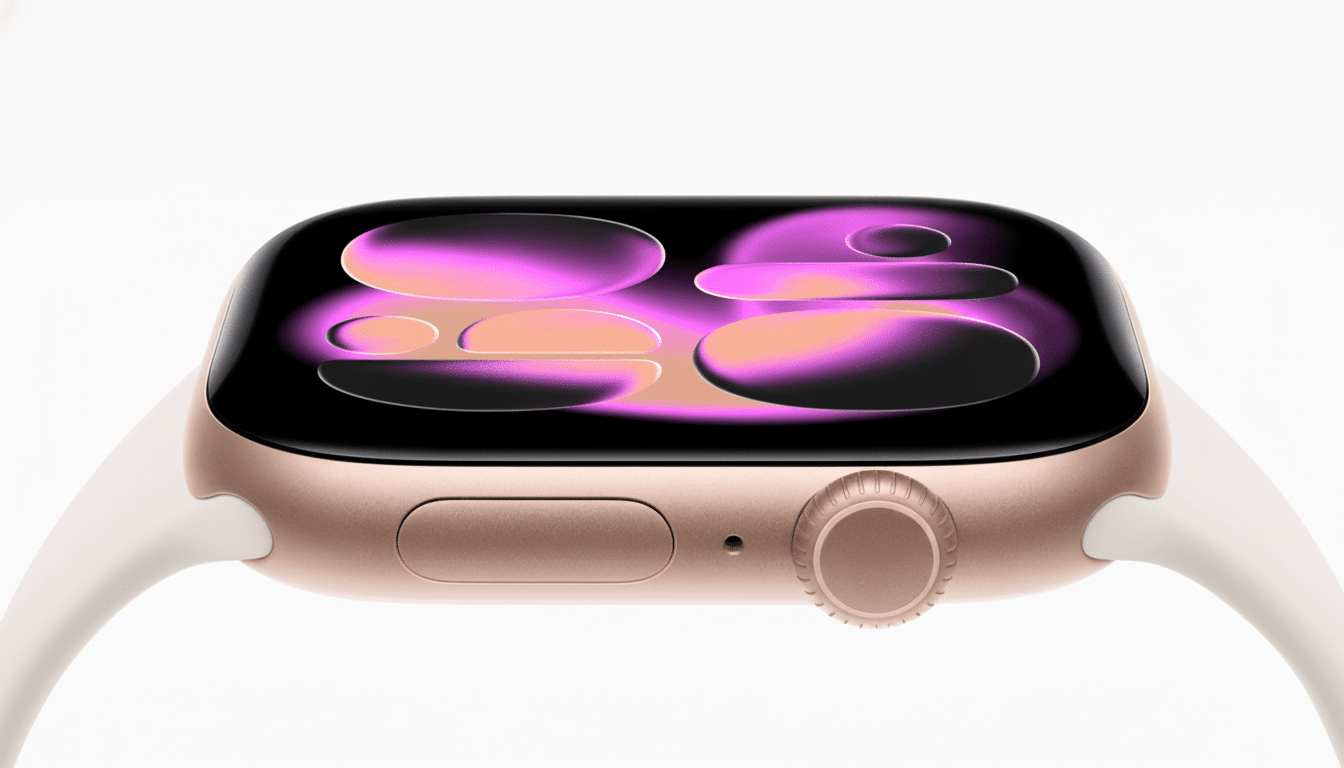
A brighter display that’s even easier to read in bright sunlight
Some upscale smartwatches now advertise peak brightness around 3,000 nits, which can make a real difference on runs at midday or on snowy slopes. Apple’s own most expensive model already makes it that far, and there’s no reason the most popular Series shouldn’t. Higher peaks and a lower minimum brightness for nightstand use, though, and you have both outdoor clarity and bedroom comfort along with potential power savings if the panel is capable of driving them efficiently.
Thinner and lighter and finally 24/7 comfortable
Comfort is a health feature. The thinner Apple Watches have been noticeably better at sleep tracking, and I want Apple to keep pushing here: lightweight case materials, better curvature that avoids pressuring wrist bones, and thinner sensors that don’t leave a morning imprint. A few grams here and a millimeter lopped off there all mean you wear the watch every chance you get, which means better data and more value.
Health features you’ll actually value, not gimmicks
Apple has built trust with regulated tools like the ECG app and irregular rhythm notifications — both of which are cleared by the F.D.A. — and with large studies like the Stanford Medicine Apple Heart Study and a University of Michigan partnership on hearing health, backed in part by the World Health Organization. I would like to see the Series 11 add to that trust with features that are appropriately framed: cuffless blood pressure trends (but not diagnostic readings), validated sleep apnea risk screening, and better context around metrics such as heart rate variability. The American Heart Association has long warned that regular trends are what matter, not individual data points; Apple is poised to pioneer a trend-first, research-backed view.
“Why” — Sleep and recovery scores
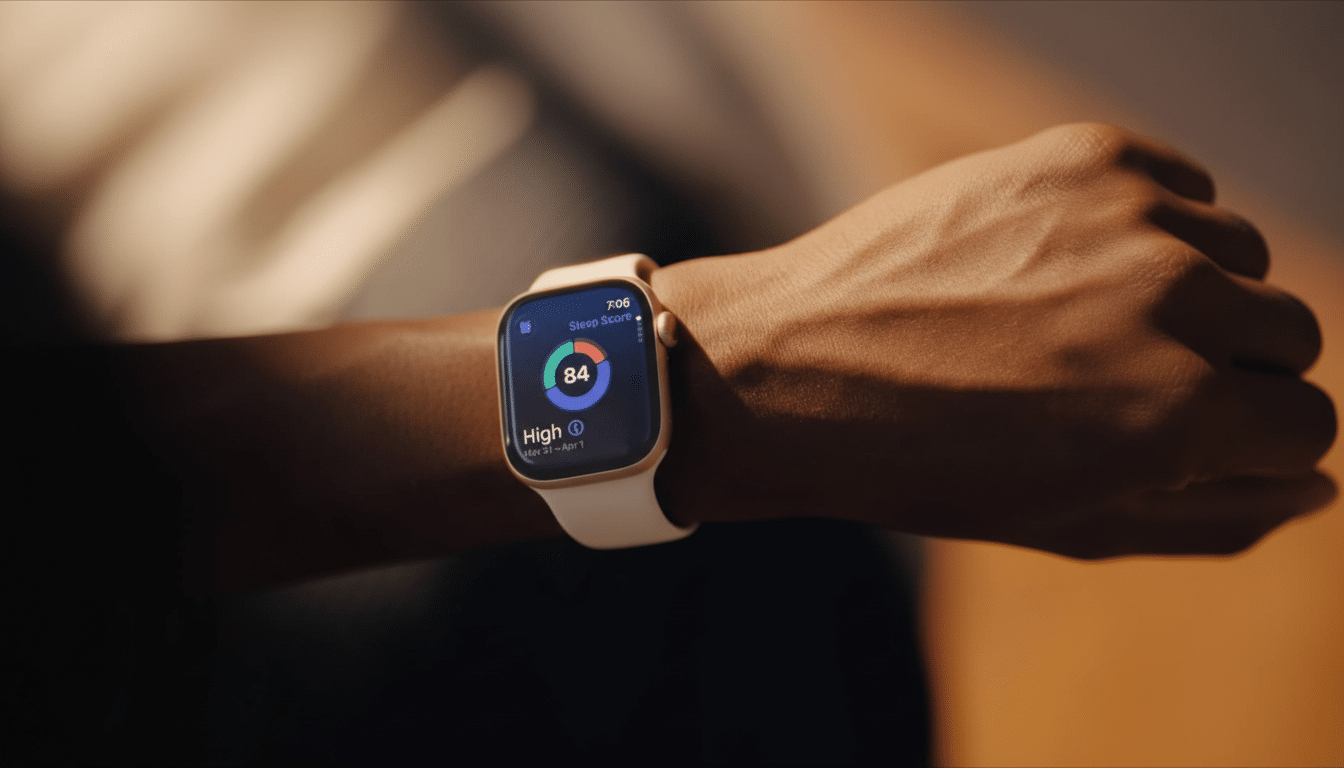
Apple’s sleep staging is solid, and the Vitals experience makes it easier to understand what’s happening when stats stray from your baseline. But a clear, simple sleep score and a daily recovery/readiness score could make that data actionable. That concept has been proven out by competitors: Fitbit’s Sleep Score and Daily Readiness, Oura’s Readiness and Garmin’s Body Battery all distill complex signals into guidance. Apple could poach this with on-device processing, converting wrist temperature, HRV, respiration, activity load into clear advice, all with personal data left private.
On-watch zoomable, minute-by-minute heart rate timeline
I track the spikes in my heart rate after sprinting for a train — or after one too many espressos — and I wish I could zoom in on the exact second it rose, follow its recovery slope, and caption it for what I was doing. iPhone’s Health app is thorough, but a more vivid on-watch timeline with pinch-to-zoom, color for spikes, and easy note-taking (Apple Pencil support would be a plus) would surface trends more quickly. Combine that with those HRV and resting heart rate nudges and an insight into your stress is really personalised.
Dual-frequency GPS for everyone
it’s not just for professional runners, who run downtown, or track and field runners who run under the forest cover, or competitive cyclists, running next to high-rise buildings; According to research quoted by the EU Agency for the Space Programme, the L5 signal greatly reduces the effect of multipath errors in high-density areas. Standardizing dual-frequency on the Series 11 as a whole, not just a premium model, would tighten pace accuracy and route fidelity for millions.
Intelligent, on-device private coaching
Enable Siri to be intelligent enough to figure out my previous week of training and sleep, on my wrist, and tell me what I should do (a workout or a full-on rest day with a blurb of reasoning about why I should do it today) in 1 sentence. “Your HRV is under baseline, and resting heart rate is up; maybe go for an easier zone 2 run. That sort of just-in-time coaching, crunched on the watch, is the leap from data to wisdom that a lot of people are waiting for.
Little quality-of-life wins that accumulate
A faster, powered charger to safely cram in more wattage. A more powerful UWB chip for finding your misplaced watch or gym bag with precision. Additional customizable complications could stack two metrics in the same complication slot. On the mainstream model, a snorkeling-safe water depth readout, for casual beach trips. Individually, none are attention grabbers, but combined, they make the watch feel new with every passing hour you wear it.
Even if Apple does half of that (especially multi-day battery life, a brighter display, some kind of dual-frequency GPS, something approaching research-grade health), that’s not a spec bump, that is should buy and will buy.
Why I want them though is because they are a leading indicator for personal computing of where Apple’s technology goes first today and then everything else tomorrow. It will be the strongest motivator in years to upgrade, and the strongest sign yet that the everyday smartwatch is starting to evolve into a useful health device.