


The Apple Watch Series 11 sounds like more than just an ordinary refresh. It’s an attempt to pull the smartwatch in new directions — brighter hardware, more powerful silicon, deeper health insights, and a smarter health-brain interface — while not straying from Apple’s privacy-first playbook.
Brighter, better display
Display aspirations are front and center. Apple already gets 3,000 nits on the Watch Ultra 2, while on the mainstream line the capped out at 2,000 nits the last time around. Reporting at Bloomberg indicates another good thing for the next generation, which would be meaningful in real life: Outdoor readability during runs, on your bike and for navigation is where brightness and anti-reflective coatings pay off.
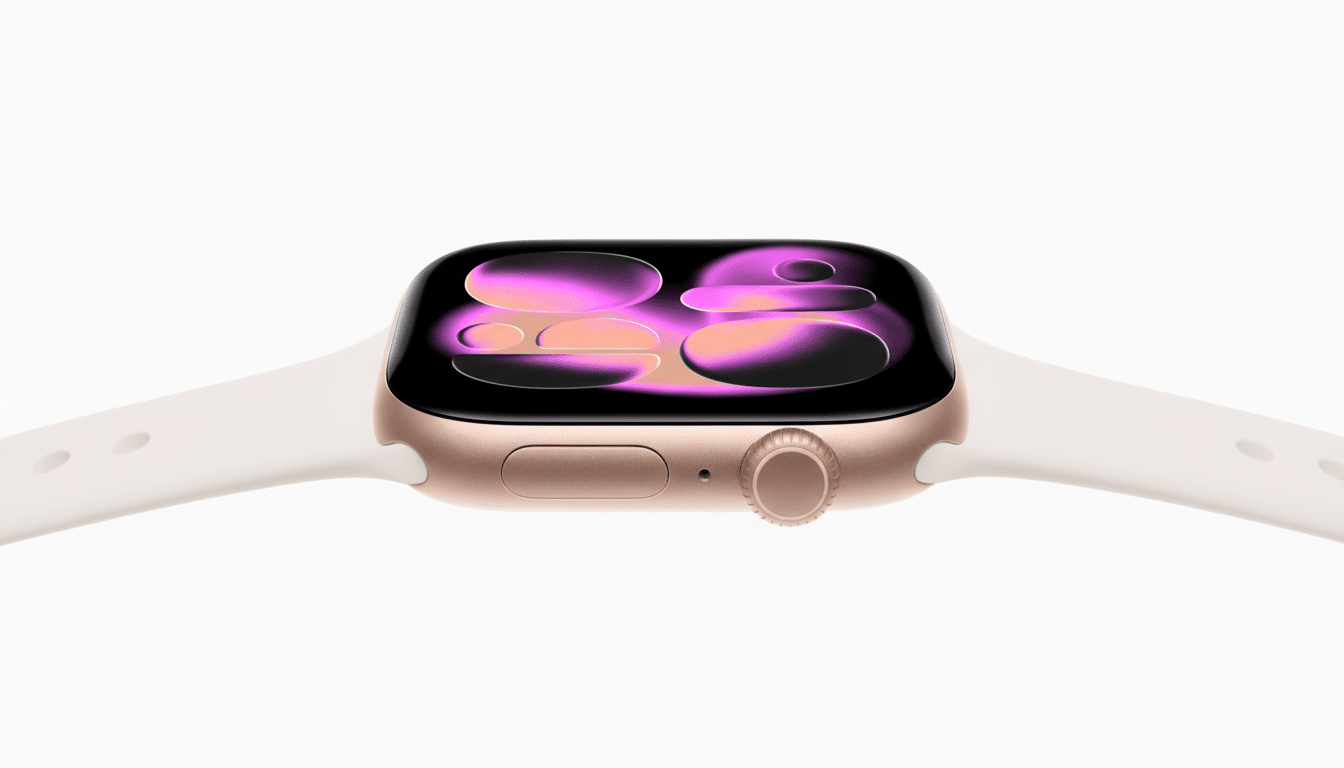
Any brightness bump will likely come along with Apple adding more power management to the equation. The company’s approach to LTPO OLED means that variable refresh rates for the Always-On Display are possible and the small efficiency wins add up over the day. If the purported rumor comes true and bezels let us have more glanceable information without sheetcaking the watch on the wrist.
New silicon that unlocks on‑device intelligence
Apple’s S‑series chips helped transform the Watch from a notification sidekick into a health and fitness computer. The previous generation brought faster on‑device Siri for Health commands and dictation, a sign of Apple’s commitment to data privacy and an indication that text processing for sensitive things would remain local where possible.
Sure, a faster processor in Series 11 isn’t just about speed; it’s about headroom. Faster neural processing should make for richer coaching, smarter safety features, and better battery life in the face of heavy GPS and cellular usage. And in wearables, the compute budgets are miniscule and the thermals are unforgiving — every milliwatt you save is a feature you gain.
Health features that have real clinical ambition
Code sleuthing in the latest watchOS betas, spotlighted by MacRumors contributors, indicates Apple is looking at a native sleep score. Scores might be all over the place between devices, but Apple tends to validate features before mainstreaming them. The Apple Heart Study and FDA‑cleared atrial fibrillation notifications from Stanford Medicine established a model for thoughtfully scaled health rollouts.
Blood pressure is still the white whale. TechCrunch’s editor Keith declares it “won’t be for cuff” although there have been plenty of reports about Apple looking at this space and Bloomberg has described Apple as aiming for trend detection rather than cuff‑grade absolute readings, which would make sense given the regulatory burden and the complexities of physiology. Trend alerts with some lifestyle advice could be valuable without overreaching clinical capability, particularly if leveraged as part of a physician‑friendly export within the Health app for instance.
AI coach with privacy
Apple is said to be working on a Health app revamp, Project Mulberry, with an AI coach that transmutes raw metrics into personal guidance, a Bloomberg report claimed. In practice, that might look like custom recovery prompts following a hard training block, hydration nudges on a hot day or context‑aware guidance if sleep debt adds up.
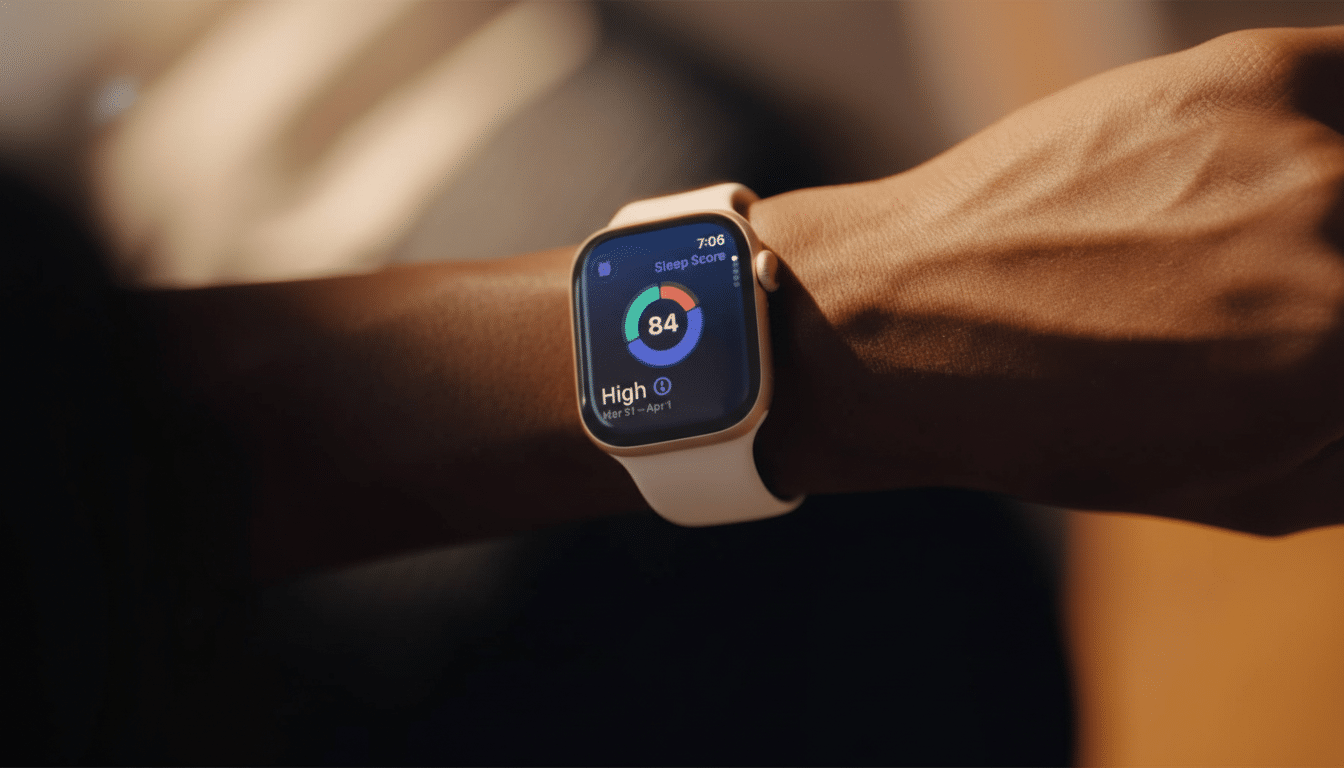
The groundwork for this is already evident in watchOS 11 with features like Training Load and the Vitals app, which are as much about presenting trends as they are about delivering one‑offs, daily or otherwise. The next step is synthesis: on‑device models that use a variety of inputs, such as workout intensity, heart rate variability, sleep, and menstrual cycle, to help you follow through with their suggestions, without having to send your health data to the cloud.
Connectivity and safety, extended
Safety is also where Apple has built trust quietly: fall detection, Emergency SOS, crash detection and precise location sharing with Ultra Wideband. The rumor mill has suggested satellite messaging and even 5G on higher‑end models such as the Ultra line; whether those arrive now or later is less important than the trajectory. Off‑grid communication could make the Watch a more credible safety tool for hikers, runners, travelers or anyone else.
Even without satellite coverage, there are incremental improvements that build a layer of resilience: Better GPS lock even in urban canyons, more reliable cellular handoffs, smarter background syncing. When your heart rate shoots up mid‑workout or you require assistance on the trail, the best feature is the one that works seamlessly.
Function-serving design tweaks
Rumor has it cases will be thinner, and the screen sizes trimmed, especially for the rugged Ultra tier. That’s not just an issue for wear all day comfort, of course, or the size of the battery inside: it also impacts glanceability, and how richer complications — pace, split, elevation, heart zone — can be accommodated so that you’re not constantly having to swipe.
Apple tends to sandwich such changes with sustainability moves — recycled metals and reductions in manufacturing energy — without skimping on durability. The Ultra line’s titanium construction has set a bar; carrying over that look to the mainstream model would be a hit.
Why Series 11 is different
Lots of watches can track steps and mirror notifications. Where Series 11 looks more ambitious is the convergence: brighter, more efficient hardware; a faster brain for on‑device intelligence; cautious, but meaningful health expansion; and safety features nudging the Watch closer to being the standalone companion it really ought to be.
Market analysts at firms like Counterpoint Research have long noted the dominance of Apple in the premium smartwatch segment. The best way to preserve that lead isn’t necessarily in the shape of one big headline feature, it’s more likely to be a pile of genuinely handy, well‑integrated upgrades: in that sense, Series 11 looks like the right call. It’s iterative evolution with purpose — and that’s usually what changes how people really use a device on a daily basis.