


I walked away from smartwatches convinced that a buzzing wrist was just a second phone I never asked for. Two years later, I strapped on an Apple Watch again out of curiosity, not commitment. What surprised me wasn’t a single killer upgrade, but how much the category has matured while I was gone—enough to change how I work, sleep, and stay off my phone.
Why I Ditched The Wrist Computer And Walked Away
My breaking point came from duplicated alerts and constant micro-interruptions. Every ping hit my phone and my wrist, demanding double dismissals and fracturing focus. Add a proprietary charger to pack, another battery to nurse, and a deluge of health stats I didn’t know how to use, and the convenience quotient turned upside down.
- Why I Ditched The Wrist Computer And Walked Away
- What Changed When I Came Back To Apple Watch
- Notifications Without The Doomscrolling Trap
- Health And Sleep Tracking That Actually Helps
- Battery And Charging Reality Check After Two Years
- The Bigger Wearables Picture And Market Trends
- Why I’m Staying This Time With Apple Watch
Data fatigue was real. The dashboard glow felt more like a report card than a coach, and the friction outweighed the benefits. So I went back to an analog watch and rediscovered quiet—until I tried quiet plus context.
What Changed When I Came Back To Apple Watch
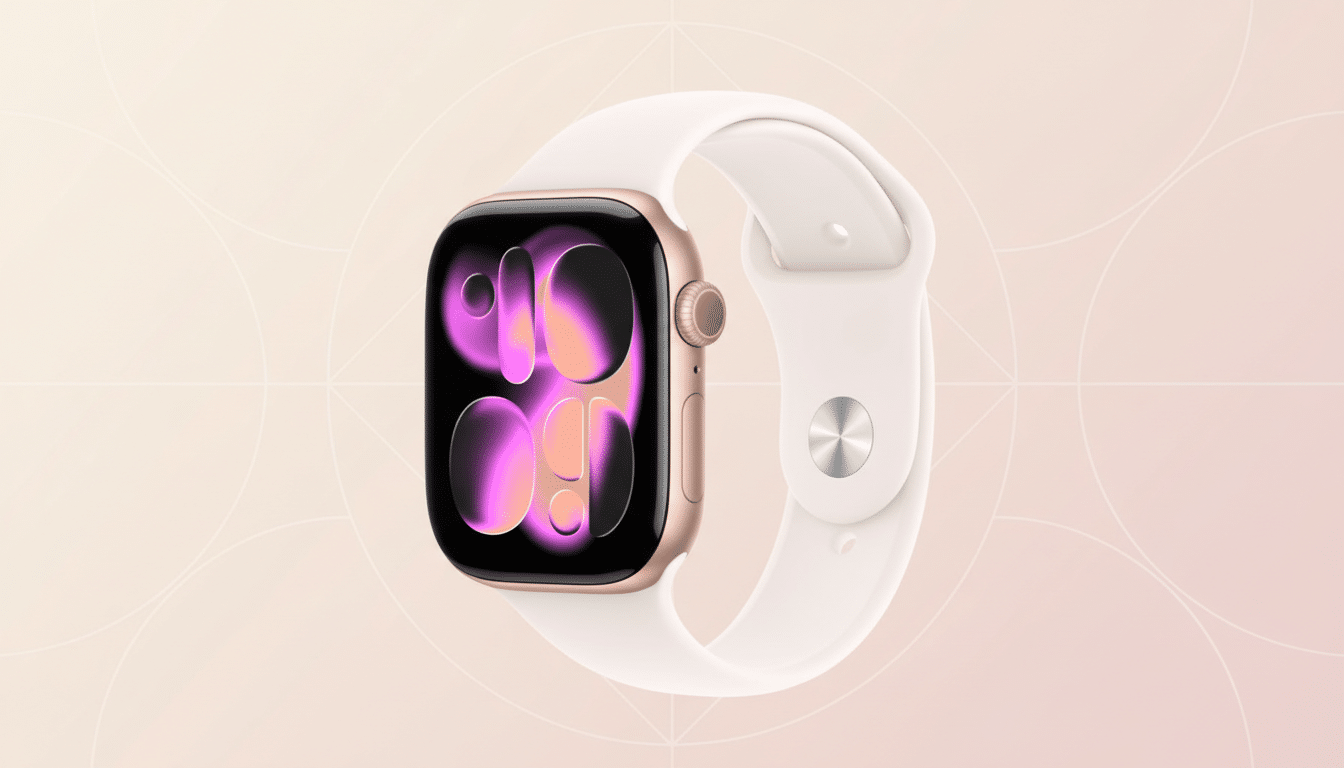
Today’s Apple Watch doesn’t shout; it nudges. The Activity rings still gamify movement, but the tone is supportive rather than nagging. Noise notifications tap you on the shoulder when you wander into a loud environment, a small feature aligned with safety guidelines from NIOSH that flag sustained exposure above roughly 85 dB as risky. It’s the sort of ambient intelligence that feels useful, not bossy.
Beyond that, the platform is simply polished. Wear OS has made fast strides—Google’s assistant experiences and Samsung’s hardware are compelling—but Apple’s tight integration with the iPhone keeps the seams hidden. You feel it in tiny details: reliable handoffs, consistent haptics, and complication layouts that make information glanceable.
Notifications Without The Doomscrolling Trap
The biggest behavior shift was cutting the “check phone, fall into feed” loop. Wrist triage lets me decide in a second whether an alert deserves a response or can wait. I pick up the phone less, and when I do, it’s intentional. Research from UC Irvine’s Gloria Mark has shown that interruptions carry heavy switching costs; a lightweight glance reduces those detours and helps maintain flow.
Within days, I started “forgetting” my phone in another room during meals and family time. Cellular options make that freedom practical. The watch covers calls, messages, and urgent pings, while everything nonessential stays out of mind and out of reach.
Health And Sleep Tracking That Actually Helps
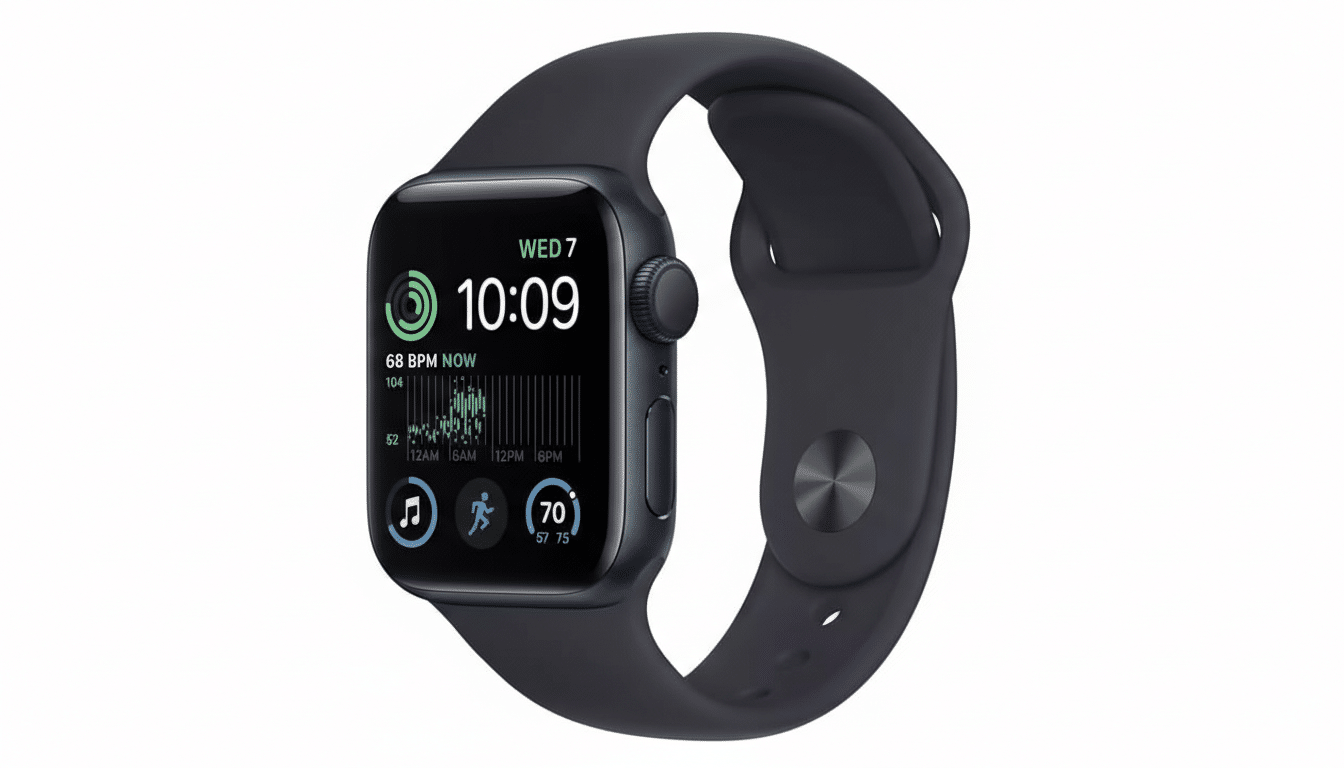
I’m not chasing VO2 max crowns. I am chasing consistent sleep, and the Apple Watch excels at set-it-and-forget-it tracking. It identifies awake periods and sleep stages without manual tagging and surfaces trends I can act on—bedtime regularity, wind-down effectiveness, and how late-night screens sabotage rest.
It’s also reassuring to wear a device that has played a role in peer-reviewed research. The Apple Heart Study with Stanford Medicine found that irregular rhythm notifications had a positive predictive value of around 71%, a reminder that wrist sensors can be more than wellness toys. I’m not treating the watch like a medical device, but I do trust it to spot patterns and nudge timely conversations with a physician.
Battery And Charging Reality Check After Two Years
Battery life used to be the deal-breaker. It isn’t anymore. Apple rates recent models for all-day use, and fast charging means a brief top-up during a shower is enough to cover sleep tracking and the next morning’s commute. Would I take 48 hours over 24? Absolutely. But the math now works: one charger in the bag, one routine that sticks.
Standardization is still lacking—these pucks aren’t universal—but the annoyance no longer outweighs the gains. I’d rather charge a device that saves me from an hour of idle scrolling than carry an extra battery pack to feed my phone addiction.
The Bigger Wearables Picture And Market Trends
The market momentum backs the experience. Counterpoint Research and IDC consistently report Apple at or near the top of global smartwatch share, often around the 20–30% range, with overall shipments rising as more users treat wearables as daily tools rather than tech novelties. That leadership isn’t just about sales; it reflects a cadence of steady, human-centered refinements.
Looking ahead, watches are poised to become the anchor for ambient computing. Whether it’s on-device AI that prioritizes what matters, or smart glasses that lean on a wrist computer for sensors and gesture control, the watch is a natural hub. It sits at the intersection of context and consent: close enough to know you, discreet enough to stay out of your way.
Why I’m Staying This Time With Apple Watch
The Apple Watch now adds more than it takes. It trims distraction, surfaces health insights I can use, and lets me leave my phone behind without anxiety. After two years away, coming back didn’t feel like surrendering to another screen. It felt like choosing the right kind of screen—one that respects attention as much as it requests it.