


Apple’s newest collection — the Watch Series 11, the Watch SE 3 and the Watch Ultra 3 — expands the options for both first-time buyers and upgraders. The trick is that you need to find features that suit your use case, not just specs. Most of the core capabilities are available for list prices that bunch at $249 for SE 3, $399 for Series 11 and $799 for Ultra 3 — no outsized spending necessary.
Apple has firmly controlled the smartwatch category, which Counterpoint Research says has been about a quarter of global shipments in recent years. That scale manifests itself in polish: health warnings, safety features and deep iPhone integration all apply across the board. What varies is depth — battery life, sensors, materials and displays.
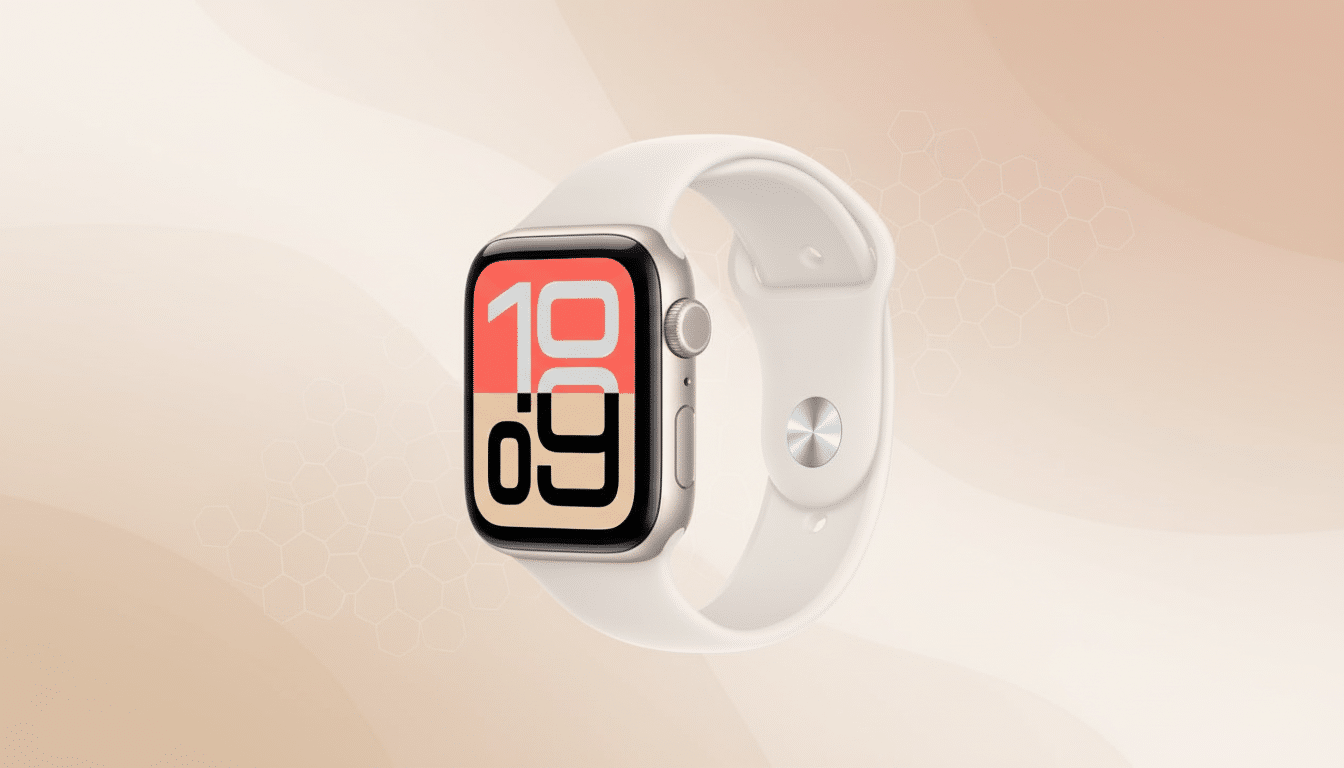
Begin by Thinking About Your Use Case and Needs
If you’re after reliable basics — activity rings, sleep tracking, notifications, Apple Pay — the SE 3 gets it done with the same S10 chip family found in pricier models. It now comes with an always-on display and fast charging, and feels much less “entry level” than previous SE generations.
If health insights are what you’re shopping for, the Series 11 piles on more advanced sensors and a brighter, larger screen that’s easier to read during exercise. It’s the superior choice for people who value ECG and more comprehensive health metrics.
If you run outside for hours on end, dive and swim and seek the most rugged build, Ultra 3 is the athlete’s tool — bigger battery, durable case materials, improved GPS accuracy and a more visible display in challenging light. It’s more than anyone needs — and not quite enough for some.
SE 3 vs. Series 11: What Really Changes
- Similar performance: Both are powered by Apple’s S10-class silicon, so daily speed feels about the same. App opening and Siri and the animations on both are butter; they also both support double tap and gestures.
- Display and brightness: Series 11 goes up to 2000 nits compared with SE 3’s 1000 nits, which makes a difference on sunny runs or bright gym floors. The Series 11 screen is also bigger with thinner bezels, which makes it easier to look at maps, read long text or see metrics.
- Battery life: Look for about 24 hours on Series 11 (longer with Low Power Mode) compared to about 18 hours on SE 3. Real-world usage will vary with workouts, LTE and screen brightness. Both also support fast charging, with Apple claiming the SE 3 can go from zero to 80% in about 30 minutes and about 45 minutes for Series 11.
- Health stack: Series 11 includes more advanced health features such as ECG, blood oxygen monitoring and heart tracking notifications. Apple’s temperature sensing for cycle tracking and sleep trends shows up on both of them, and they can also receive irregular rhythm notifications. In Stanford Medicine’s Apple Heart Study, 0.52% of participants received an irregular pulse notification and when this was confirmed using patch ECGs, the signal had a high positive predictive value — that is valuable context in discussing this result with a clinician.
- Build and options: Series 11 comes in more case sizes and finishes, plus IP6X dust protection and further durability upgrades. SE 3 adheres to aluminum in 40mm and 44mm. Series 11 is better if you prefer a slimmer profile and the highest-end materials.
Ultra 3: When the Premium Model Makes Sense
For endurance athletes and adventurers, the Ultra 3 has a 49-millimeter titanium case, extra-bright display, dual-frequency GPS and a larger battery. Dive, hiking and marathon enthusiasts will also appreciate the increased depth and accuracy, and without needing to keep it on a charger for extended periods of time.
And there’s a sleeper feature of the Action button: if you map it to segment laps, waypoints, or your favorite workout, that step reduces friction in mid-activity. The louder speakers and extra microphones assist with wind and water, and a ruggedized chassis shrugs off bumps.
Ultra 3 is probably overkill for you if your typical day isn’t much longer than average, and includes occasionally long runs. It’s a sure long-haul pick for heavy outdoor training.
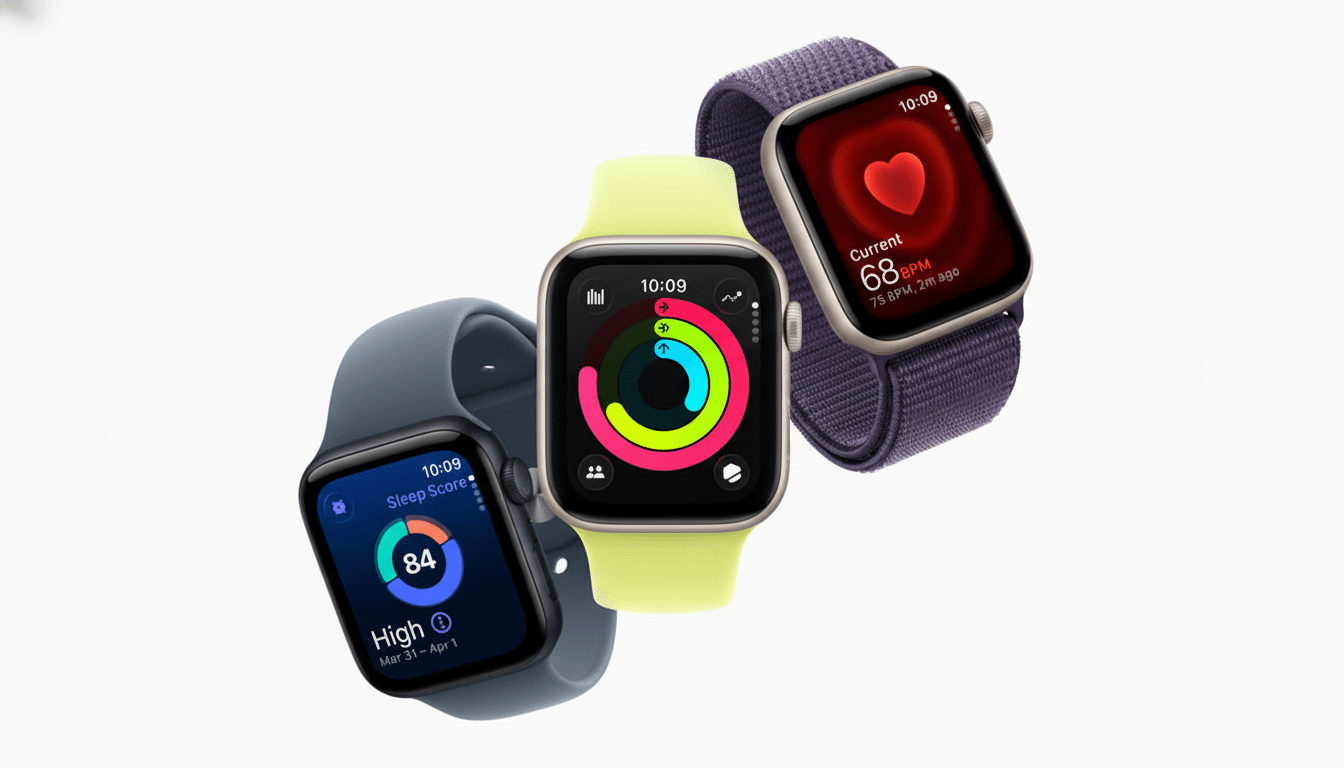
Cellular, GPS and Family Setup Considerations
The decision between GPS-only and GPS + Cellular really comes down to your desire for independence from your iPhone. Runners and bikers who want to leave their phone at home for calls, texts and streaming will prefer cellular. And everyone else can usually save some coin with GPS-only and the ability to sync music or podcasts offline.
Family Setup for kids — or perhaps older family members still living on their own — with SE 3 Cellular is ideal: built-in fall detection and crash alerts, location sharing and Emergency SOS don’t even require lifting a finger. For a relatively low-cost safety device, many families match SE 3 with a heavy-duty band.
Battery Life and Charging: What to Expect
Most people finish the day with 20–40% on Series 11 and 10–30% on SE 3, depending on workouts and how much you’re using your screen. Low Power Mode increases battery life by reducing sensors and background tasks. People who work out often, meanwhile, may want to keep a fast charger at their desk or bedside for quick top-ups.
Both watches get about eight hours of normal use from 15 minutes of top-up, useful before evening events or a second workout. Ultra 3 also lasts longer between charges, particularly on more GPS-heavy sessions.
Price, Value and Timing: Choosing the Right Watch
SE 3 is the sweet spot for a lot of buyers: modern performance, important health and safety features, and that new always-on display at the lowest entry price. Series 11’s premium is justified with a brighter display, new health sensors and longer battery life.
For rugged hardware and maximum endurance, Ultra 3 is the front-runner. If not, compare the SE 3 and Series 11 feature by feature, price trade-in values and watch for a seasonal promo from major retailers. The best Apple Watch is one that fits your life — and wrist — without costing you more than you actually need to spend.