


Apple’s most recent Vision Pro update addresses the product’s No. 1 point of criticism head-on: comfort. Coupled with a big leap to the new M5 chip, the company is launching a redesigned Dual Knit Strap, which is designed to eliminate some of that forehead-and-neck strain experienced after longer sessions. Performance bumps up, text looks sharper, and the price remains steady at $3,499.
A Real Fix for Vision Pro’s Comfort Issue
The original single strap allowed a lot of the headset’s front-heaviness to bear down on the face. The new Dual Knit Strap shares that load with a second, top strap made of breathable material designed to flex in use without ending up sliding around or falling off. As a result, you get better weight distribution and less pressure hot spots — small changes that mean a surprising amount when you’re wearing a headset for more than 20 minutes at a time.
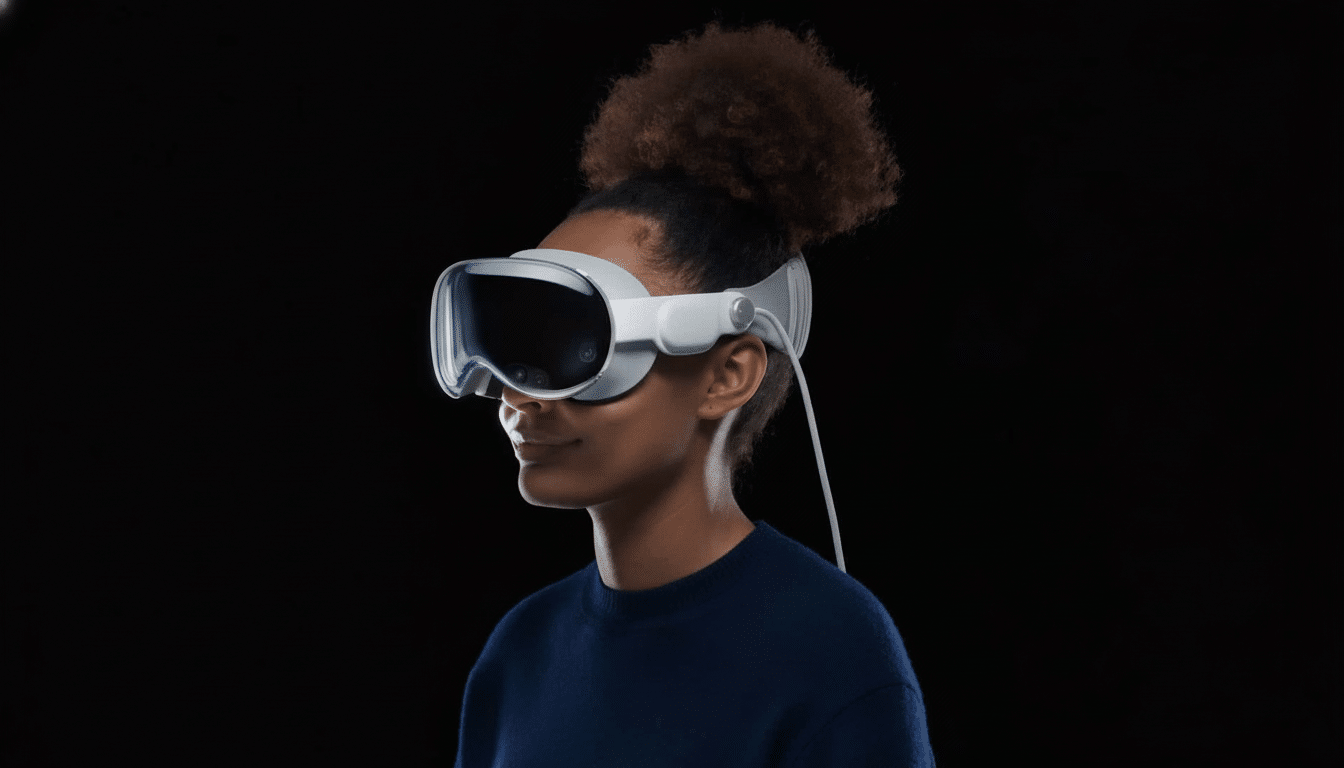
Occupational ergonomics guidance from organizations such as NIOSH and university human factors laboratories has long emphasized distributing load over a larger area, and this requires maintaining “neutral” head posture to avoid fatigue. That’s Apple’s playbook in a nutshell: two bands that adjust independently of each other across three sizes, allowing users to dial in a fit for various head shapes and hairstyles. Current owners aren’t left out, either; the strap is available as a separate purchase.
M5 Results In A Notably Snappier visionOS
Under the hood, a jump to Apple’s M5 silicon is more than just numbers on paper. Apple claims up to 4x peak GPU performance compared to M4-class hardware, and with the initial Vision Pro having been M2, that’s a non-trivial jump. In a practical sense, that means apps open faster, windows resize with less stutter, and complex scenarios – think multi 4K video streams, 3D scenes or huge workspaces – feel more fluid.
That extra headroom will also be to the benefit of basic spatial computing functions. Neural processing, such as computer vision, hand and eye tracking, and scene reconstruction, is computationally demanding on both the GPU and neural network. Extra throughput will also allow developers a margin to increase fidelity and decrease motion-to-photon latency, something which cannot go unnoticed given that such is a comfort-related factor according to VR research presented at IEEE VR. The payoff: cleaner occlusion, smoother passthrough, and fewer minor hitches that can shatter presence.
Sharper micro‑OLED makes text and UI truly pop
Apple says the new model pushes around 10% more pixels on its proprietary micro‑OLED displays than the previous version. This not only makes photos look nicer, but pushes text crispness to a point where spreadsheets, code editors and densely packed dashboards are more legible at smaller virtual sizes. And for knowledge workers, that can be the difference between “neat demo” and “I can actually work in this all afternoon.”
Micro‑OLED is still a challenging technology, with panel yields and uniformity closely watched factors from display analysts at organizations like Display Supply Chain Consultants. The measured pixel bump implies to me that Apple is valuing legibility and fine detail over headline-grabbing resolution leaps that can come at the expense of brightness or efficiency.
What Changes When It Comes To Real Workflows
For creative pros, the improvements to the M5’s GPU are custom-made for 3D modeling previews, reviewing volumetric capture and multi-layer video timelines. It also provides developers with headroom to drive more complex shaders and higher refresh rates through contemporary graphics APIs, as well as allowing productivity users to keep more floating windows active without encountering the system throttling required just to manage thermals.
Just as crucially, the new strap cuts down on the “setup tax” before you enter flow. Less messing with fit and fewer comfort breaks all add up to more usable time. That ergonomics win is as important as raw performance if Vision Pro is to graduate from showcase gadget to everyday workstation.
Price Stays Steady, Upgrade Path Is Clear
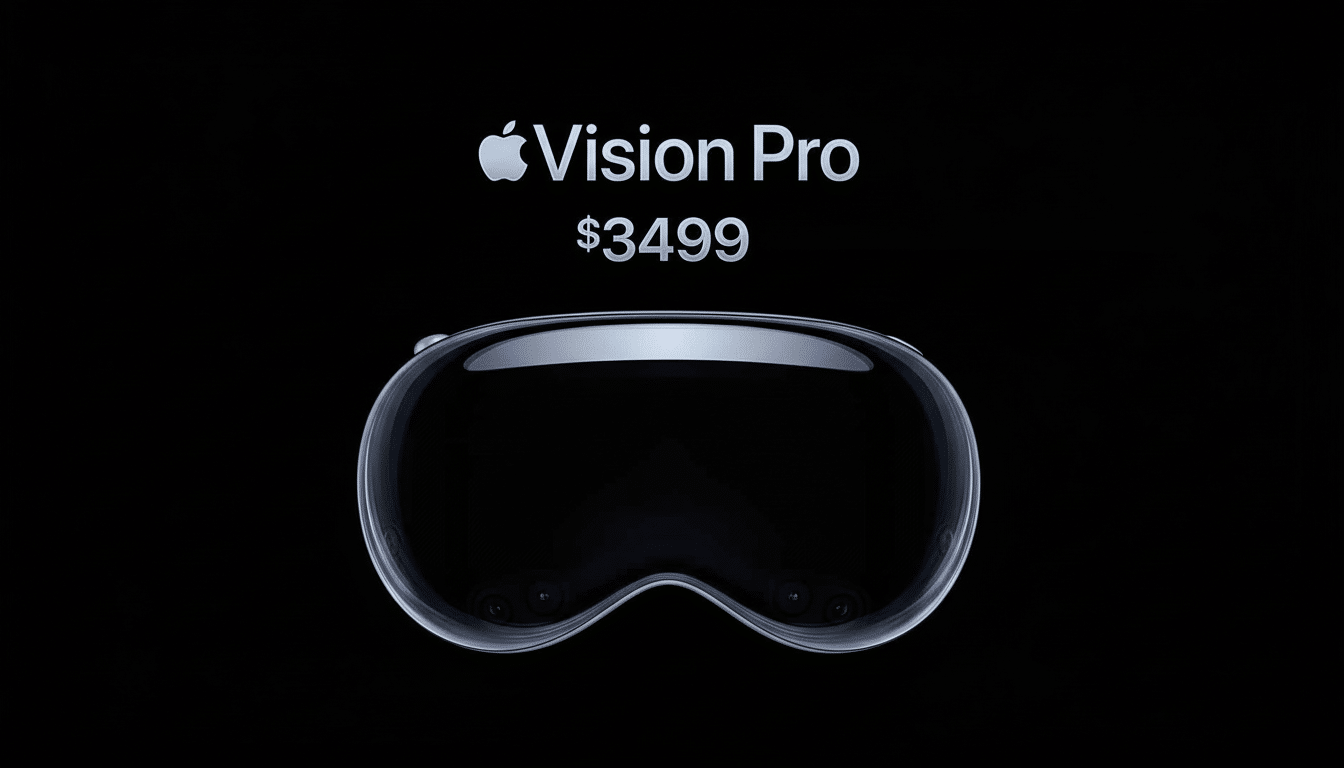
Priced from $3,499, the new Vision Pro starts at the same point its predecessor did. The Dual Knit Strap comes with new units and is available to purchase separately for existing owners who want the comfort enhancement but don’t want to replace their headset. That makes budgeting easy for teams planning deployments: you can standardize on the new fit system across a mixed fleet.
Bottom Line: The Two Upgrades That Matter
Apple addressed the two issues that had been holding back broader adoption: comfort and response. The Dual Knit Strap reduces neck and front-heavy pressure, while the M5 system provides enough headroom to make Vision Pro more immersive. Throw in the minimal bump in display pixels, and it feels less like a first-gen experiment and more like a fully fledged platform you can use daily.
If the original turned you off because of fit or jumpy performance, this is the model to try. It’s not going to change the economics, but it vastly enhances the underlying stuff that actually makes you want to keep the headset on.