


I tested what might be Apple’s boldest Vision Pro promise yet—an immersive, courtside view of an NBA game—and came away both dazzled and deflated. Not because it failed, but because it worked so convincingly that its rough edges felt like the kind you only notice when you’re truly there.
The experience, delivered through Spectrum SportsNet’s Front Row production and replays in the NBA app for out-of-market viewers, aims to teleport you to the scorer’s table. On Vision Pro’s twin micro‑OLED displays, which pack roughly 23 million pixels, the floor, the chatter, and the snap of the net all land with startling intimacy.
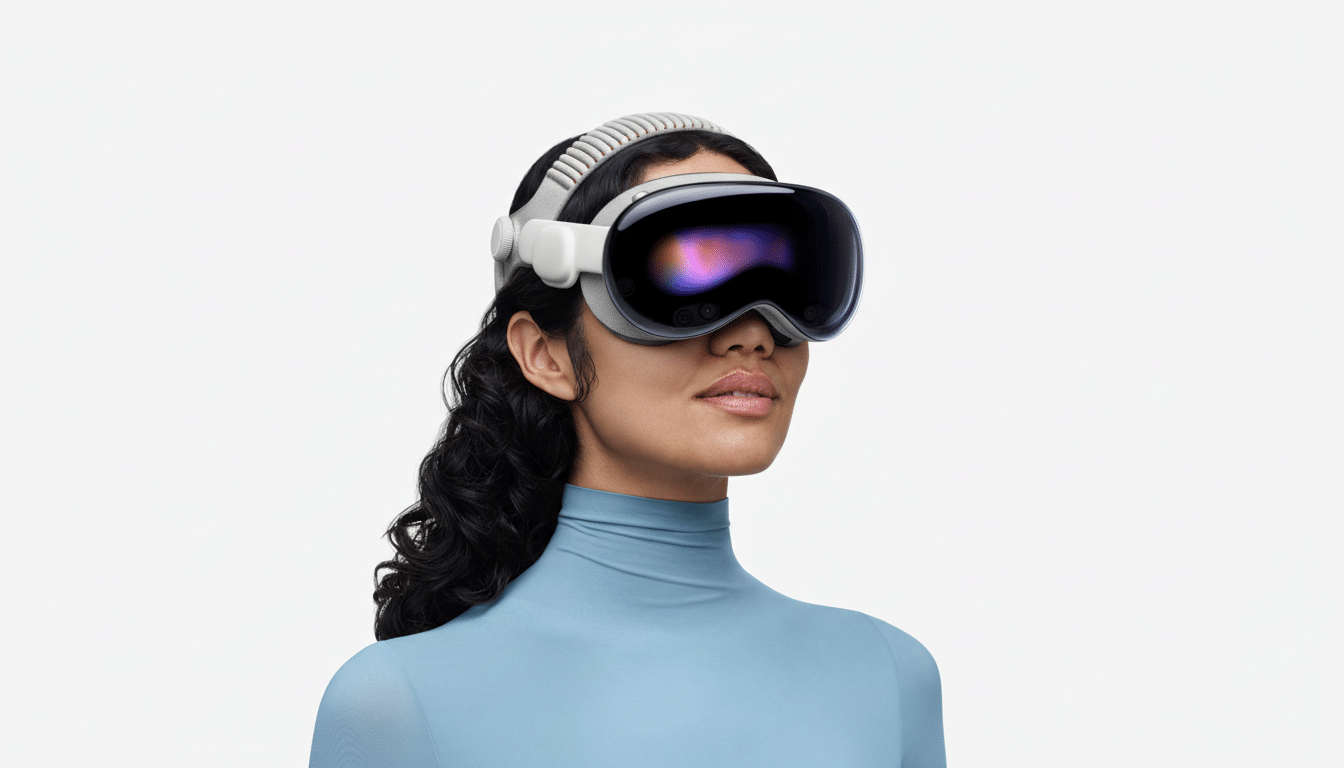
What Courtside In A Headset Actually Feels Like
Setup is as simple as launching the Spectrum SportsNet app in eligible regions or the NBA app for replays, signing in, and choosing the immersive feed. I swapped to the Dual Loop Band for a better weight balance; comfort matters when you plan to sit through four quarters. Untethered battery life hovers around a couple of hours, so plugging in for a full game is prudent.
The production is thoughtfully orchestrated. You get a center-court panorama, behind‑the‑backboard views, and cutaways that track action in the paint without feeling disorienting. Unlike earlier VR sports attempts, the pacing here respects basketball’s rhythm; by the second quarter, you start anticipating when the angle will swing to the glass as a driver attacks or a foul sends players crashing toward the stanchion.
Then there’s the magic you rarely catch on a flat broadcast: bench players calling out coverages, a tap on the shoulder after a gritty box‑out, a ref’s sotto voce warning before a sideline inbound. Those micro‑moments are the payoff. It is the closest approximation to a five‑figure courtside seat without leaving your couch.
The Best Kind of Letdown: Realism Exposes Limitations
Ironically, the most disappointing bits are the ones that prove how real it feels. Like at an actual game, you sometimes lose sight lines. When the ball swings to the far corner, the center‑court perspective can obscure a driver’s feet or a defender’s hand check. That is not bandwidth or resolution; it is the physics of camera placement in a 180‑degree canvas.
I also caught myself craning to find the score bug and clock, which sit lower in the field of view than on TV. Traditional broadcasts spoon‑feed that information. Here, you work for it, which is authentic to being in an arena but tiring across a long run.
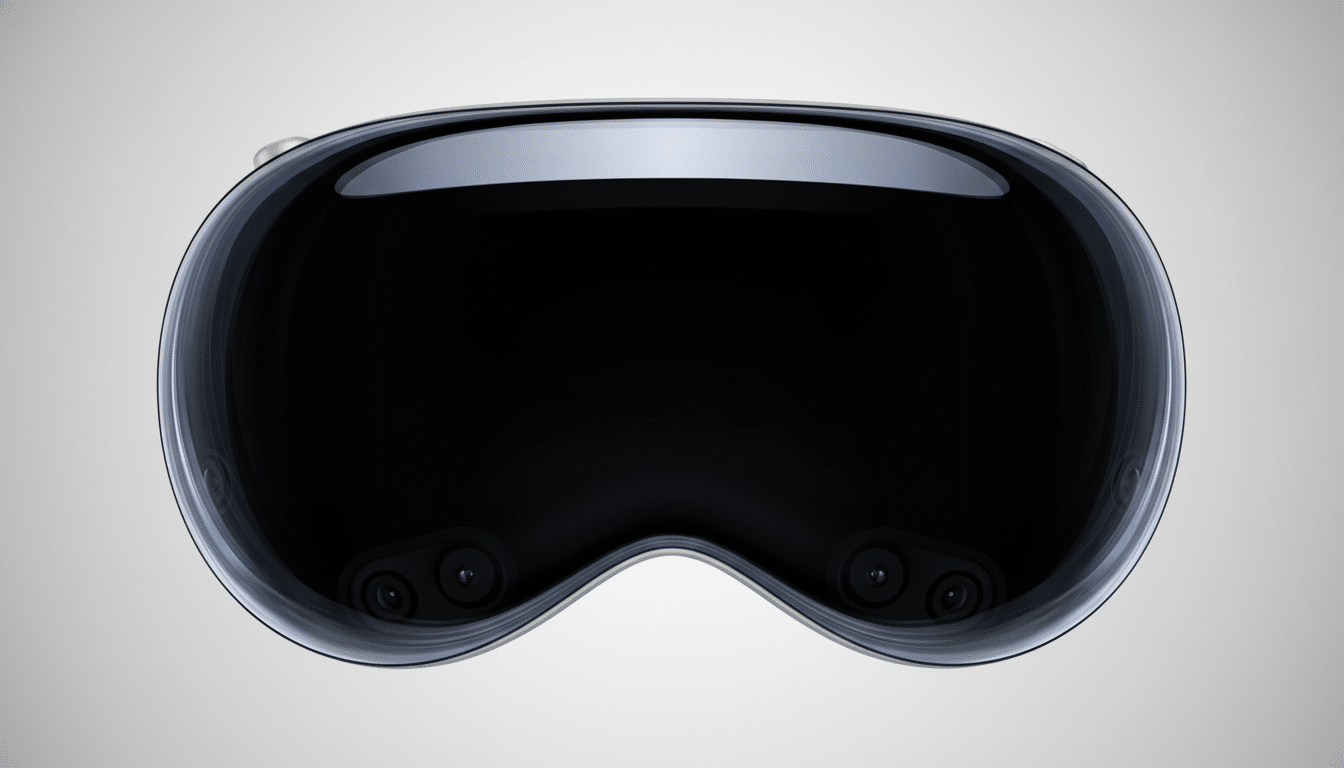
And I missed the social backchannel. Most fans second‑screen through games—an observation backed by recurring studies from Deloitte and Nielsen—glancing at beat reporters, shot charts, and instant memes. In Vision Pro, the isolation is palpable. A live, opt‑in stats rail or social feed would fill that void without breaking immersion. So would a commentary toggle that lets you soak in pure arena audio. If presence is the point, the crowd should be the soundtrack.
How It Compares To Earlier Immersive Sports
The NBA has flirted with VR for years, from NextVR’s early experiments to Meta’s theater‑style streams. Many of those felt like novelties: interesting camera tech, awkward cadence. Apple’s take is closer to a premium broadcast reimagined for spatial delivery. The switching is measured, the stitching is clean, and motion holds together even as you scan from bench to baseline.
It still trails the authority of a traditional truck when it comes to telestration, replays, and commentary timing, but the immediacy outweighs those gaps. For Apple, this is a powerful proof of concept: Vision Pro stops being a solo theater and becomes a venue. That aligns with industry forecasts from IDC, which expect AR/VR to grow as use cases move from novelty to need, especially around premium entertainment.
What Needs to Happen Next for Courtside Vision Pro
A few fixes would convert this from impressive to indispensable. Give viewers control over audio layers—crowd only, commentary only, or a blend. Add spatial overlays for shot charts, matchups, and live win probability that anchor to the floor rather than floating like pop‑ups. Build synchronized watch parties so friends can occupy the same virtual row. If leagues allow it, consider optional integrations for real‑time odds and micro‑wagers, clearly separated from the feed.
On the hardware side, lighter face interfaces and slightly higher center‑of‑view UI placement would reduce neck micro‑adjustments. Extending battery endurance beyond a single game without tethering would help, though most serious sessions will remain plugged in. Rights restrictions are the non‑technical hurdle; regional blackouts and limited availability narrow the audience for a feature tailor‑made to sell headsets.
Even with those caveats, the verdict is clear. Courtside on Vision Pro can be breathtaking, and its letdowns are the kind you get only when something is close to the real thing. When a blown rotation happens three virtual feet from you, the sting is sharper—and that is the point. Apple’s most ambitious sports feature doesn’t just show you a game; it makes you feel it. Now it needs the polish and ecosystem to make you never want to watch any other way.