


Apple’s mixed‑reality roadmap is quickly picking up steam, and the second-generation headset looks to be a more polished, capable riff on the original Vision Pro. Though Apple guards its hardware plans as securely as its nuclear armaments program, a consistent fount of credible reports indicates that this summer’s changes will be all about performance, comfort, and real-world utility.
Expected release window and timing for the headset
Several reports have indicated Apple aims to launch in a time frame around spring, but internal schedules can move as hardware and software lock down. Bloomberg has positioned the follow‑up as an iterative version, not a vast overhaul, and supply‑chain scuttlebutt suggests a phased deployment: get one high-end flagship on the market and then extend out with a lighter, cheaper model. Industry trade publications like The Information have parroted this long‑term two‑tier strategy.
- Expected release window and timing for the headset
- Chipset and performance upgrades in the next model
- Comfort and design improvements to reduce fatigue
- Displays, cameras, and optics targets for version two
- Software ecosystem and apps shaping spatial workflows
- Price and market position within mixed reality space
- What to watch next for signs of Vision Pro 2 progress
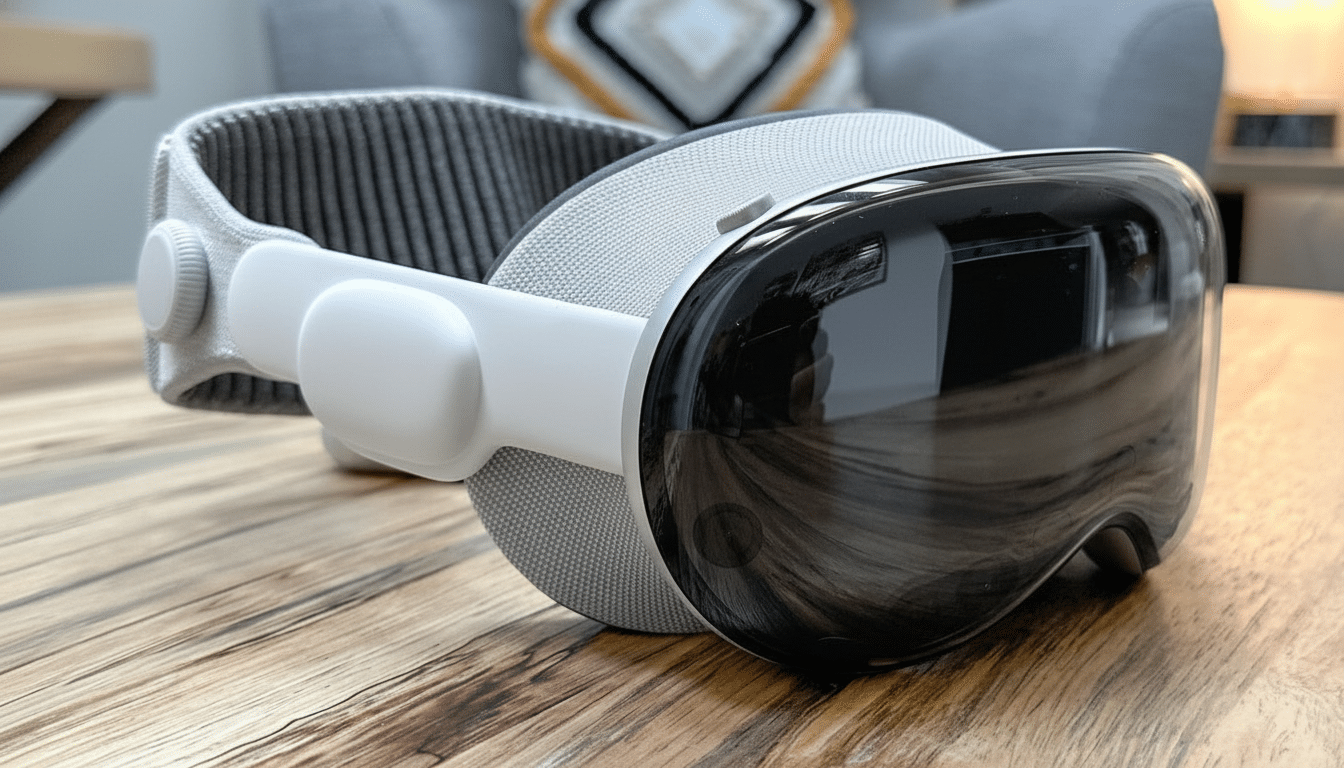
Chipset and performance upgrades in the next model
On silicon, reliable sources disagree on details but concur that the jump will be significant. Analyst Ming‑Chi Kuo has suggested Apple’s next‑gen M‑series (presuming we do get an M4), but Mark Gurman of Bloomberg says it will be a chip in the M4 class. Both of those are a big leap above the M2 and R1 pairing in today’s model.
One common thread: a significantly beefier Neural Engine. The original Vision Pro’s neural unit contains 16 cores; we hear Apple is pushing that further to speed on‑device AI work like hand and eye tracking, scene understanding, and spatial anchoring. Look out for faster passthrough processing, steadier 3D UI elements, and lower motion‑to‑photon latency, which is essential for both comfort and presence.
Comfort and design improvements to reduce fatigue
Even die-hard fans of model one point to comfort as its biggest challenge. Front‑heavy at about 1.4 pounds, neck fatigue over long sessions comes standard. Apple is reportedly testing a new head strap system with improved weight distribution and pressure relief, according to Bloomberg. Don’t be shocked if Apple relies on stiffer but lighter materials and a more supportive crown strap to cut down on hotspots even as it keeps the battery pack separate for balance.
Such modest mechanical tweaks can pay outsized dividends: adjusted hinge geometry, more breathable textiles, and a broader range of adjustment would greatly enhance comfort across head shapes. Apple understands that the longer you wear them, the stickier your use cases will become (work, coding, design reviews), so comfort is not a cosmetic upgrade — it’s a growth lever.
Displays, cameras, and optics targets for version two
Display Supply Chain Consultants and others have stated that high first‑wave production was limited due to low micro‑OLED panel yields across the industry. The wish list for Vision Pro 2 then becomes apparent: more light output for high dynamic range headroom, less pixel structure for sharpness of text, and better uniformity for reduced color shift off angle. Improvements made to pancake optics would further expand the sweet spot and diminish internal reflections.
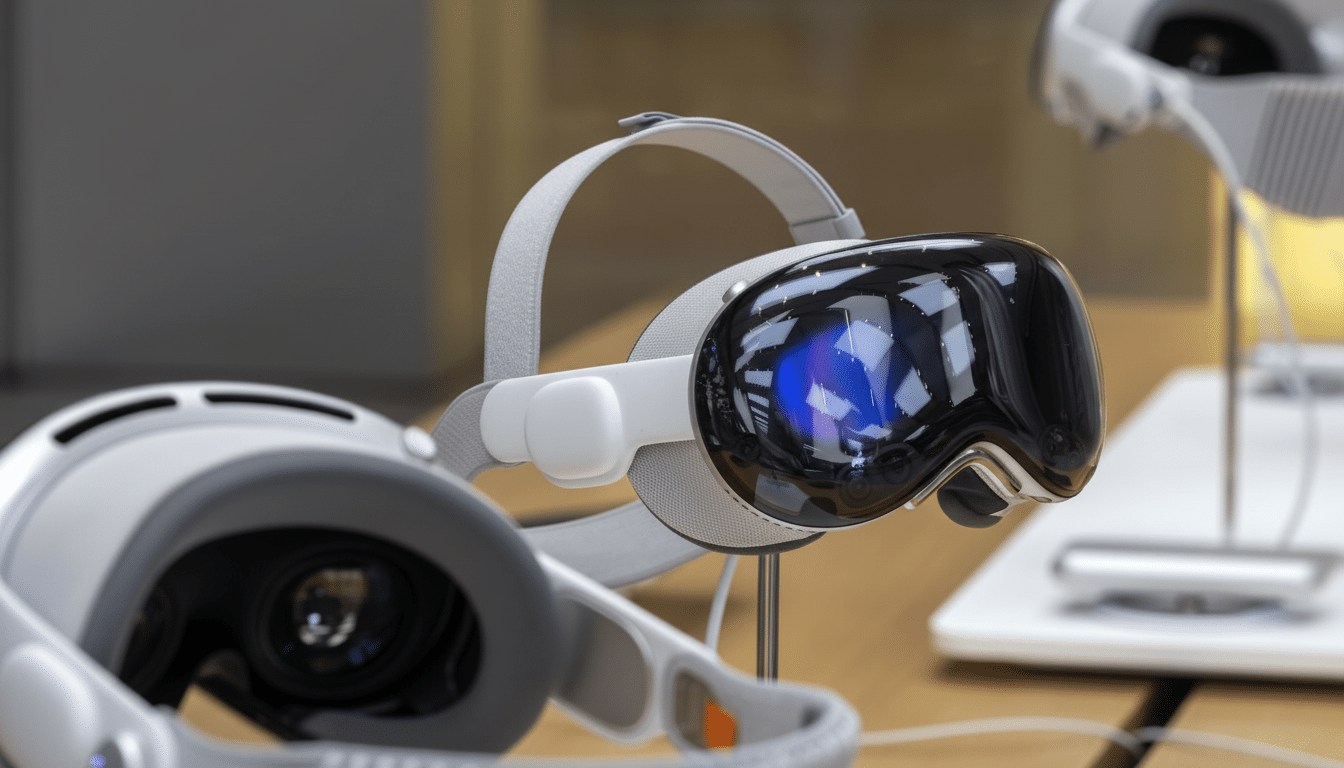
Camera and sensor calibration is just as critical. A cleaner, faster passthrough and better low‑light color fidelity would make that mixed‑reality work feel natural, not like you’re staring through a camcorder. The clever — and polarizing — EyeSight outward‑facing display on the outside of the headset could also get a rethink to improve realism and power efficiency.
Software ecosystem and apps shaping spatial workflows
Hardware is only as valuable as the software that runs on it. Apple’s visionOS has added more natural gestures, richer windowing, and deeper developer hooks for spatial content over time. Enterprise‑grade features — secure identity, device management, and collaboration tools — are growing as leading productivity suites evolve their spatial interfaces. This is where Apple can highlight workflows that combine large virtual displays, 3D review, and real‑time co‑presence to justify premium hardware.
Unity’s continued backing is a linchpin of immersive content, even as Apple’s own APIs guide developers toward native performance and accessibility. The Neural Engine in the next headset will be faster yet, which should help unlock more on‑device inference for spatial AI without your thoughts and actions needing to take a cloud round trip, making spatial computing more responsive and private.
Price and market position within mixed reality space
The current Vision Pro begins at $3,499, a price point squarely in halo‑product territory. And whether Apple sticks with that pricing for the sequel or adjusts will largely depend on the cost of parts — displays, especially — and how aggressively it wants to seed pro and enterprise adoption. Premier mixed reality has been described by market observers at IDC as a “relatively small but significant portion of the total headset market,” especially for business users, and Apple seems perfectly happy to lead on the upper end as it develops a lighter premium sibling device that would make its premium entry point more accessible.
Competition is intensifying. Competitors are pushing standalone mixed reality farther into the mainstream, while Samsung, Google, and Qualcomm are rallying around an alternative based on Android. Apple’s advantage is tight integration: silicon optimized for spatial workloads, vertical control over the sensors and optics — not just software that uses them — and an ecosystem connecting spatial computing to iPhone and Mac.
What to watch next for signs of Vision Pro 2 progress
- Supply‑chain signals for micro‑OLED orders
- Developer beta hints in visionOS builds
- Bloomberg and TF International Securities reports for chipset confirmation
Get comfort and latency right, and add in a dose of on‑device AI acceleration, and Vision Pro 2 won’t merely be another step forward on the spec sheet — it will be the point where spatial computing finally feels less like an experiment and more like a tool for daily use.