


Apple has refreshed the MacBook Air with its M5 chip and a long-requested change that matters more than it sounds: the ultraportable now starts at 512GB of storage. The 13-inch model opens at $1,099, while the 15-inch version begins at $1,299, marking a $100 drop compared with prior equivalents at the same capacity—and signaling that the 256GB era for the Air is over.
What’s New in the M5‑Powered MacBook Air Lineup
The latest Air arrives in 13- and 15-inch sizes powered by Apple’s M5 silicon—a 10-core CPU paired with up to a 10-core GPU—mirroring the chip found in Apple’s recent 14-inch Pro. Standard memory is 16GB of unified RAM, and storage options now range from 512GB up to 4TB for the first time on an Air, giving mobile creators headroom that previously required a step up to the Pro line.
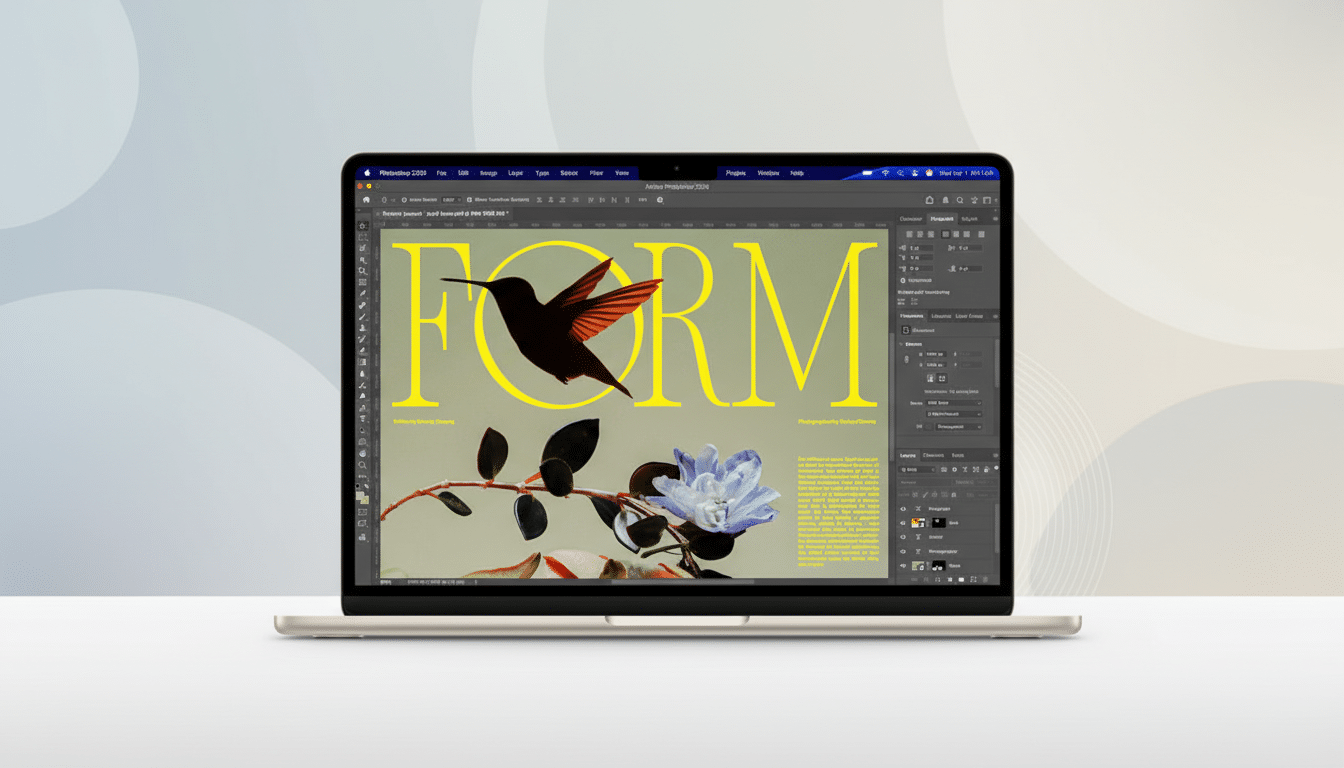
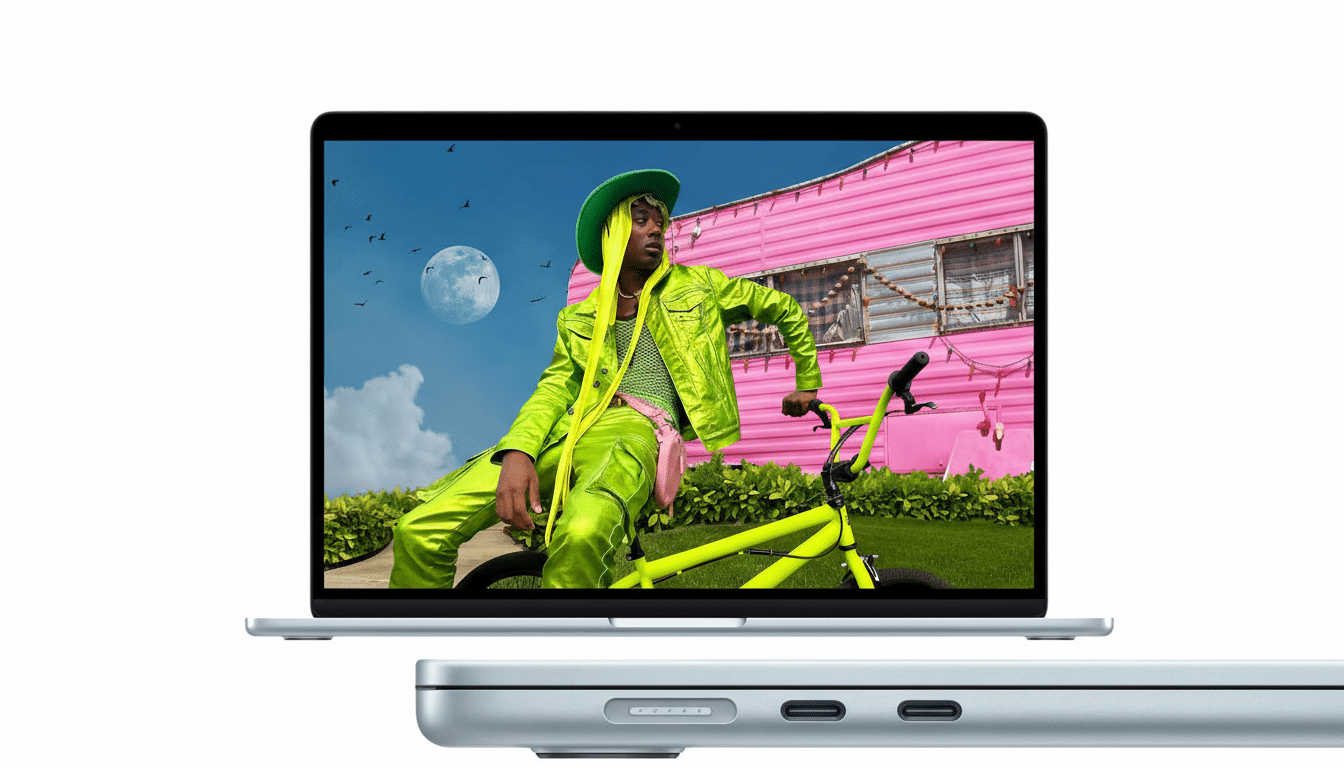
Beyond the internals, Apple doesn’t rock the boat. You still get the wedge-less aluminum chassis, a 60Hz Liquid Retina display rated at 500 nits, a 12MP Center Stage webcam, two Thunderbolt 4 ports plus a headphone jack, and an advertised 18-hour battery life. Finishes remain familiar: sky blue, midnight, starlight, and silver.
The Storage Shift to 512GB and Why It Really Matters
Doubling the base capacity to 512GB is more than a generosity play—it addresses a persistent criticism of earlier entry-level Macs. Reviewers and teardown specialists, including iFixit and outlets like Notebookcheck, have previously documented that 256GB configurations could rely on a single NAND chip, resulting in slower SSD throughput than higher-capacity models. Moving the baseline to 512GB should restore multi-chip layouts in most configurations, improving sustained read/write speeds and reducing slowdowns when the system leans on swap memory.
Practically, that means smoother performance when importing large photo libraries, compiling projects in Xcode, or editing 4K footage with proxy media. For students and remote workers, it also means fewer compromises—installing local AI models, maintaining sizeable email archives, or juggling offline datasets is finally viable on the starter Air without an immediate storage upgrade.
Speed and Connectivity Get a Lift with M5 and Wi‑Fi 7
The M5 inside the Air aims for a balance of single‑threaded snap and multicore efficiency, sticking with the fanless design that defines this line. Expect faster app launches and export times over the previous Air generation, with the usual caveat that sustained heavy workloads will favor the actively cooled Pros. For most everyday productivity and creative bursts, the Air’s thermal envelope remains its secret weapon—quiet, cool, and quick.
Apple also adds its N1 wireless chip to the mix, enabling Wi‑Fi 7 and Bluetooth 6. Wi‑Fi 7, based on the IEEE 802.11be standard and certified by the Wi‑Fi Alliance, brings 320 MHz channels, 4K QAM, and Multi‑Link Operation for multi‑gigabit throughput and lower latency. Translation: faster large file transfers, more stable high‑resolution video calls, and better performance in congested apartment blocks—assuming you pair the laptop with a Wi‑Fi 7 router. Bluetooth 6 sets the stage for more reliable accessories and next‑gen audio features as the ecosystem catches up.
Pricing Changes That Reset the MacBook Air Baseline
At $1,099 for 13 inches and $1,299 for 15 inches, Apple is effectively undercutting its previous 512GB configurations by $100 and eliminating the lower-capacity anchor that often forced early upgrades. That repositioning lands the Air squarely against premium Windows ultrabooks—think HP’s Spectre and Dell’s XPS lines—that increasingly ship with 512GB and Wi‑Fi 7 at similar prices. Market trackers at IDC have noted the continued “premiumization” of thin-and-light laptops; Apple’s move folds more value into the mainstream spec without raising the sticker shock.
The spec spread also leaves strategic runway for a lower-cost MacBook should Apple decide to chase education and entry-tier buyers more directly—a scenario floated by multiple industry analysts. For now, the Air remains the default Mac for most people, and this storage-first update strengthens that claim.
Early Takeaway After Apple’s M5 MacBook Air Refresh
This is a thoughtful, user-centric refresh rather than a redesign. The M5 brings iterative gains, Wi‑Fi 7 future‑proofs connectivity, and the 512GB baseline remedies the most common pain point of prior entry models. If independent testing from labs like AnandTech and UL Benchmarks confirms faster SSD layouts and steady thermals under load, the new Air will be the easiest MacBook recommendation in recent memory—especially for anyone who refused to settle for 256GB.